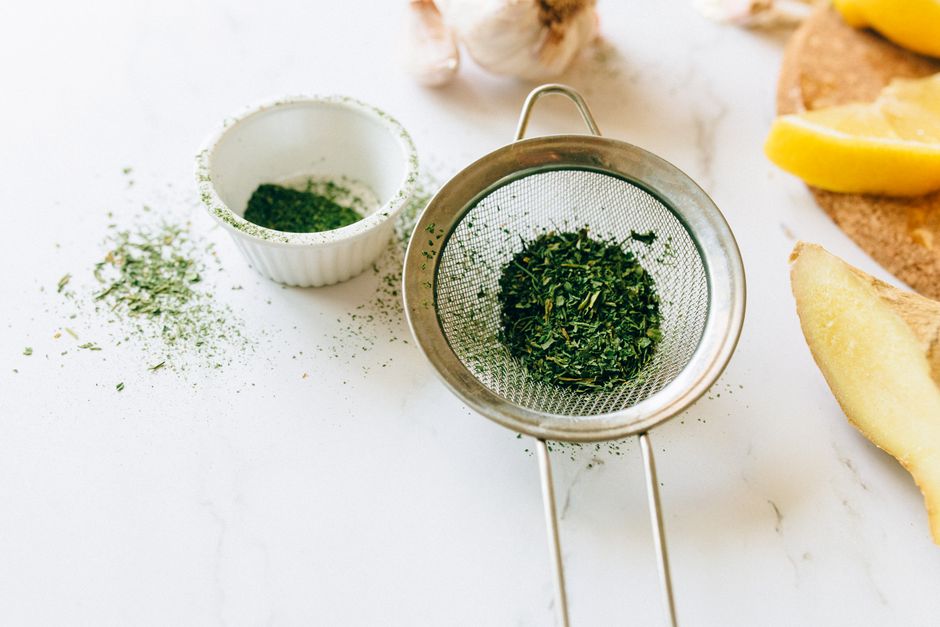
Most weight loss advice ignores a basic truth: your daily drink choice can quietly help or hurt your progress. Green tea with ginger has become a popular pick for people watching their weight, but the real question is whether it actually does anything worth your time and money.
So is ginger green tea good for weight loss? The honest answer is yes, but only as a small piece of the puzzle. Green tea contains caffeine and catechins that may slightly boost metabolism, while ginger adds a mild thermic effect and appetite-regulating potential. Neither ingredient burns fat on its own, but combined with a calorie deficit, this drink can support your efforts in a modest, evidence-backed way.
Most articles on this topic oversell the benefits or dismiss them entirely. Neither extreme is accurate. This guide breaks down what the research actually shows, how many calories you are really saving, and how to drink ginger green tea so it fits your weight loss plan without becoming another wellness fad.
Key Points at a Glance
| Point | What It Means | Why It Matters |
|---|---|---|
| Green tea metabolism boost | Caffeine and catechins may raise calorie burn by roughly 3-4% | Small but real effect when combined with diet changes |
| Ginger thermic effect | Ginger may slightly increase body heat and calorie expenditure | Modest contribution, not a standalone fat burner |
| Appetite effects | Both ingredients may help with fullness or cravings | Easier to maintain a calorie deficit |
| Calorie content | Plain ginger green tea has nearly zero calories | Replaces sugary drinks with a free swap |
| Realistic expectations | No tea alone causes meaningful weight loss | Results come from overall diet and activity |
What Does the Science Actually Say About Ginger Green Tea?
Research consistently shows that green tea compounds can support weight management, but the effect is smaller than most people expect. A review of multiple studies found that green tea catechins with caffeine increased calorie expenditure by about 3-4% over 24 hours. That translates to roughly 50-80 extra calories burned per day, which matters over months but will not overcome a poor diet.
Ginger has its own evidence, though the research is less extensive. Some studies suggest ginger can increase thermogenesis, the process where your body burns calories to produce heat. Other research indicates ginger may help reduce hunger ratings and increase fullness after meals. I always notice that a warm cup of ginger tea before lunch takes the edge off my appetite, though the effect is subtle.
Is Ginger Green Tea Good for Weight Loss or Just Hype?
This is where the honest answer gets uncomfortable. Ginger green tea is not a fat burner in any dramatic sense, and no study has confirmed it melts belly fat on its own. The weight loss benefits come almost entirely from its role as a calorie-free beverage that may slightly support your metabolism and appetite control.
What the marketing does not tell you is that many commercial ginger green tea products contain added sugar or honey. A bottled version can easily pack 20-30 grams of sugar, which completely cancels any metabolic benefit. Brewing it yourself from tea bags and fresh ginger keeps it truly zero-calorie, and that is where the real value lives.
My own habit is to brew a large batch on Sunday and keep it in the fridge. Having it ready means I reach for that instead of juice or sweet tea, and that single swap has made a noticeable difference in my weekly calorie intake.
How Much Ginger Green Tea Should You Drink for Weight Loss?
No established clinical guideline exists for a specific daily amount of ginger green tea for weight loss. Most research on green tea uses 2-3 cups per day, which provides roughly 150-300 mg of catechins. For ginger, culinary amounts of 1-2 grams per day appear in most studies, which is about a one-inch piece of fresh root steeped in hot water.
More is not better. Excess green tea can cause jitteriness, stomach upset, or sleep problems from caffeine, especially if you are sensitive. Ginger in very large amounts can cause heartburn or digestive irritation. I find that two cups spread through the day works well, one mid-morning and one after lunch, without interfering with sleep.
If you are pregnant, breastfeeding, or taking blood-thinning medication, talk to your doctor before drinking large amounts of either ingredient. Ginger in culinary amounts is generally recognized as safe, but concentrated extracts or supplements fall outside that comfort zone.
What Is the Best Way to Prepare Ginger Green Tea for Weight Loss?
The preparation method matters more than most people realize. Steeping green tea at water that is too hot releases bitter tannins and destroys some catechins. Aim for water around 175°F, which is just below boiling, and steep for 2-3 minutes. Add fresh ginger slices during the last minute of steeping or use a tea blend that combines both ingredients.
Skip the sweeteners entirely if weight loss is your goal. A small squeeze of lemon adds vitamin C and brightens the flavor without calories. If you absolutely need sweetness, a tiny amount of stevia or monk fruit does not add calories, though I have found that most people adapt to the unsweetened taste within a week.
What Are the Realistic Results from Drinking Ginger Green Tea?
Realistic expectations keep you from quitting in frustration. If you replace one sugary drink per day with ginger green tea, you could lose an extra 5-8 pounds over a year without changing anything else. If you also maintain a 500-calorie daily deficit, the tea adds maybe one extra pound of loss per month on top of that.
The evidence is mixed on whether these effects continue long-term. Some studies suggest the metabolic boost diminishes as your body adapts to caffeine, which means the appetite and replacement effects may matter more over time. That is still a legitimate benefit, just not the dramatic one advertised.
No strong clinical evidence currently supports the claim that ginger green tea specifically targets belly fat or produces faster weight loss than other green teas. The combination is pleasant and healthy, but it is not superior to plain green tea in any well-controlled study I have seen.
Frequently Asked Questions
Related Articles
Is ginger green tea good for weight loss compared to plain green tea?
Ginger adds a mild thermic effect and appetite benefit that plain green tea lacks, but the difference is small. Both work primarily as zero-calorie replacements for sugary drinks.
How many calories are in ginger green tea?
Plain brewed ginger green tea has roughly 2-5 calories per cup, depending on how it is prepared. Bottled versions with added sugar can have 60-120 calories or more.
Can drinking ginger green tea at night help with weight loss?
Nighttime drinking does not change the weight loss effect, but caffeine may disrupt your sleep if you are sensitive. Choose a decaffeinated green tea for evening consumption.
How long does it take to see weight loss results from ginger green tea?
Most studies show measurable metabolic effects within hours, but visible weight changes take 4-8 weeks of consistent use. The effect is too small to notice week to week.
Does ginger green tea suppress appetite?
Some studies suggest ginger can increase fullness and reduce hunger ratings, though results vary between individuals. The effect appears modest and may fade with regular use.
Is it safe to drink ginger green tea every day?
For most healthy adults, 2-3 cups daily is safe and well-tolerated. Pregnant women, people on blood thinners, and those with gallstones should consult a doctor first.
Ginger green tea is a reasonable addition to a weight loss plan, not a replacement for one. Use it as a satisfying zero-calorie beverage that makes your daily calorie target easier to hit. That simple role, repeated daily, is where the real, measurable benefit lives.

The TDEECAL Team writes about nutrition, metabolism, and fat loss the way we built our calculator, with real numbers and no hype. We dig into the research so you don’t have to guess.