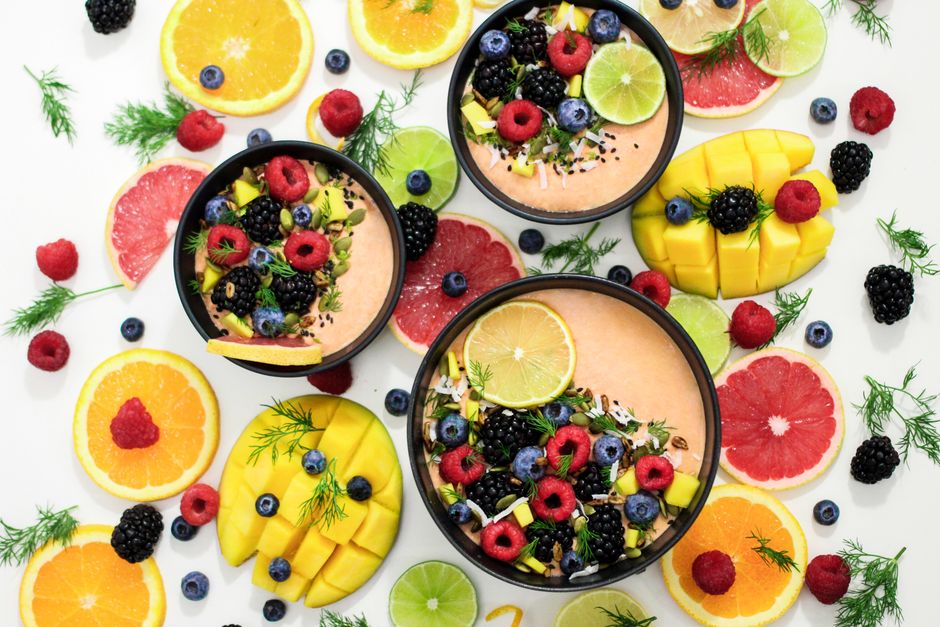
You’ve seen the photos: a rainbow of chopped fruit in a glass bowl, marketed as the ultimate diet food. But fruit is sugar, and sugar is fattening — right? The reality is more nuanced, and it matters for your weight loss plan.
Are fruit bowls good for weight loss? Yes, when built with the right balance of whole fruits and portion control. A fruit bowl can support weight loss because it provides fiber, water, and volume for relatively few calories — but only if you choose wisely and watch portion sizes.
Most generic advice tells you to “eat more fruit” without explaining how to build a bowl that actually keeps you full. This article breaks down what the research says, how to build a bowl that works, and where fruit bowls go wrong.
Key Points at a Glance
| Point | What It Means | Why It Matters |
|---|---|---|
| Fruit density | Most fruits are 80–90% water with fiber | High volume, low calories keeps you satisfied |
| Sugar content | Natural fructose, not added sugar | Whole fruit digests slower than juice or candy |
| Portion control | Aim for 1–2 cups of fruit per bowl | Overeating even healthy food stalls progress |
| Protein pairing | Add Greek yogurt, nuts, or seeds | Protein stabilizes blood sugar and prolongs fullness |
What the Research Actually Says About Fruit and Weight Loss
Studies have found that higher fruit intake is consistently linked to lower body weight over time. Research published in the journal Nutrients showed that people who ate more whole fruit had lower obesity rates than those who drank fruit juice or skipped fruit entirely.
The key mechanism is simple: fruit replaces higher-calorie snacks. When you eat a bowl of berries instead of a granola bar, you consume fewer calories while feeling just as full. The fiber in fruit also slows digestion, which helps control hunger hormones.
One thing to watch: dried fruit and fruit juice don’t offer the same benefits. Dried fruit is calorie-dense, and juice removes the fiber that makes whole fruit filling.
I always tell my clients to keep the skin on when possible. Apple slices with the peel keep you fuller than peeled ones — that extra fiber makes a real difference.
How to Build a Fruit Bowl That Supports Weight Loss
The best fruit bowl for weight loss starts with low-calorie, high-fiber fruits as the base. Berries, apples, oranges, and melon are excellent choices — a cup of strawberries has about 50 calories, while a cup of grapes has around 100.
Bananas and mangoes are higher in sugar and calories, but they’re not off-limits. Use them as a smaller portion of the bowl, not the entire bowl. A good rule: make two-thirds of the bowl low-calorie fruit and one-third higher-calorie fruit.
Add a protein source to turn your fruit bowl into a complete meal. A half-cup of plain Greek yogurt adds about 12 grams of protein. A tablespoon of chia seeds or a few chopped almonds adds healthy fat that slows sugar absorption.
Are Fruit Bowls Good for Weight Loss Compared to Other Breakfasts?
Compared to a typical American breakfast of cereal, toast, or pastries, a fruit bowl is almost always the better choice. A bowl of fruit with yogurt has fewer calories and more fiber than most processed breakfast foods.
But compared to an egg-and-vegetable breakfast, fruit alone may not keep you as full. Protein-rich breakfasts have been shown to reduce hunger more effectively than carbohydrate-heavy meals. That’s why pairing fruit with protein is so important.
If you’re eating a fruit bowl as a snack, it works well. As a full breakfast, add the yogurt or nuts to avoid a mid-morning energy crash.
Common Mistakes That Make Fruit Bowls Less Effective
Portion creep is the biggest problem. A “small” fruit bowl at a restaurant can easily contain three to four cups of fruit, pushing 300–400 calories. At home, measure your bowl once to see what one cup actually looks like.
Another mistake is adding sweeteners. Honey, granola, and sweetened yogurt can double the calorie count of your bowl. A tablespoon of honey adds 60 calories — that’s nearly the entire calorie budget of a cup of strawberries.
Finally, don’t drink your fruit. A fruit smoothie bowl with blended fruit and juice can spike blood sugar faster than whole fruit. Chewing matters — it slows eating and signals fullness to your brain.
I keep a measuring cup in my fruit drawer at home. It sounds fussy, but it trains your eye for what a proper serving looks like — after a few weeks, you won’t need it.
How Many Calories Should Your Fruit Bowl Have?
For weight loss, a fruit bowl should stay between 150 and 250 calories if it’s a snack. As a meal replacement, aim for 250–350 calories with added protein and fat.
There’s no single calorie target that works for everyone — your needs depend on your age, activity level, and overall calorie goal. Use a TDEE calculator to find your maintenance calories, then subtract 300–500 for weight loss.
If you’re tracking calories, remember that fruit calories count just like any other food. A bowl of fruit won’t help you lose weight if it pushes you over your daily calorie budget.
Frequently Asked Questions
Related Articles
Frequently Asked Questions
Can I eat fruit bowls every day for weight loss?
Yes, daily fruit bowls can support weight loss when portions stay reasonable. The key is variety — rotate different fruits to get a range of nutrients and avoid boredom.
Which fruits should I avoid in a weight loss fruit bowl?
No fruit needs to be completely avoided, but dried fruits and fruit juices are the ones to limit. Dried fruit is calorie-dense, and juice lacks the fiber that keeps you full.
Is a fruit bowl better than a green smoothie for weight loss?
Whole fruit in a bowl is generally better than a smoothie because chewing slows eating and increases fullness. Smoothies are easy to overconsume, especially when you add juice or sweeteners.
How much fruit should I eat per day for weight loss?
Most guidelines suggest 1.5 to 2 cups of fruit per day for adults. That amount provides nutrients without excessive calories when paired with a balanced diet.
Does eating fruit at night cause weight gain?
No — the time of day doesn’t determine weight gain, your total daily calories do. A small fruit bowl at night is a fine choice if it fits your calorie budget.
Can I add granola or honey to my fruit bowl?
You can, but both add significant calories and sugar. A tablespoon of granola adds about 30 calories, and honey adds 60 per tablespoon — measure carefully or skip them.
Ready to see how a fruit bowl fits into your daily calorie target? Use our TDEE calculator to find your maintenance calories and build a plan that works for you.

The TDEECAL Team writes about nutrition, metabolism, and fat loss the way we built our calculator, with real numbers and no hype. We dig into the research so you don’t have to guess.