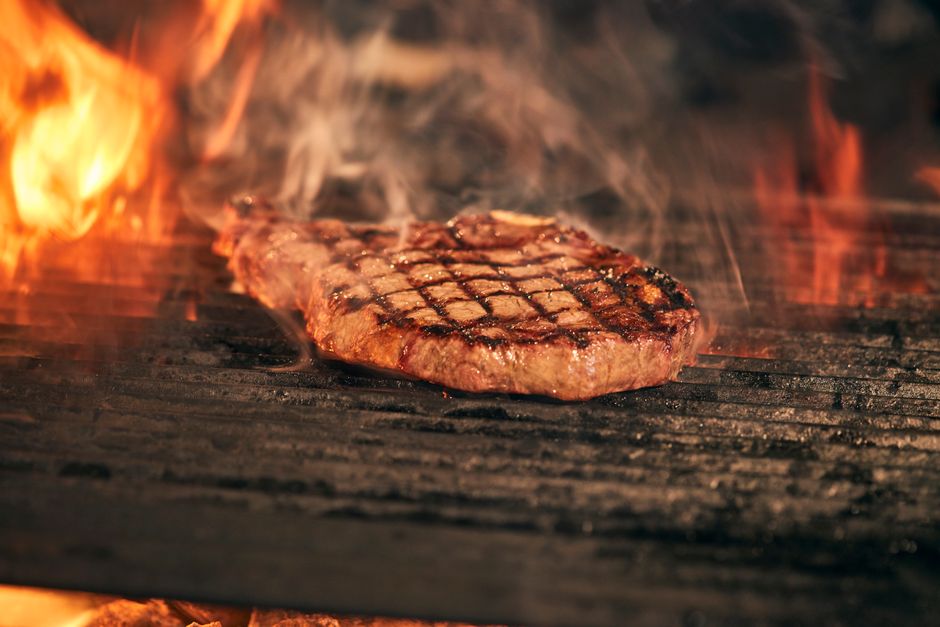
Most people assume a marbled rib eye is the last thing you should eat while losing weight. That assumption misses the real story about steak, protein, and how your body actually burns fat.
Is rib eye steak good for weight loss? Yes, rib eye steak can fit into a weight loss plan because it’s high in protein and helps you feel full, but portion control matters because it’s also high in calories and fat. A 3-ounce serving of rib eye has roughly 200 to 250 calories and about 22 grams of protein, depending on the cut and how it’s cooked. Choosing a leaner cut or trimming visible fat makes it easier to stay within your daily calorie target.
Most generic advice tells you to avoid red meat entirely when dieting. That advice is too simple. The real question isn’t whether rib eye is “good” or “bad” — it’s how the steak fits into your total daily calories and protein needs.
This article covers the actual numbers, the protein science, and practical ways to enjoy rib eye without derailing your progress. You’ll get honest answers based on nutrition research, not food guilt.
Key Points at a Glance
| Point | What It Means | Why It Matters |
|---|---|---|
| Calories | Rib eye is calorie-dense compared to leaner cuts | Portion size determines whether it helps or hurts your deficit |
| Protein | 22 grams per 3-ounce serving | Protein preserves muscle and increases fullness during weight loss |
| Satiety | Fat and protein slow digestion | You feel full longer and snack less between meals |
| Preparation | Grilling or pan-searing without added butter is best | Added fats can double the calorie count quickly |
| Frequency | Occasional inclusion works better than daily | Balance with leaner proteins on other days |
Is Rib Eye Steak Good for Weight Loss Compared to Other Steaks?
Rib eye is one of the fattier cuts of beef, which means it has more calories per ounce than sirloin or tenderloin. A 3-ounce serving of rib eye contains roughly 200 to 250 calories, while the same portion of sirloin comes in around 150 to 180 calories. The difference comes from the marbling — the white streaks of fat running through the meat.
That fat isn’t all bad. Monounsaturated fats make up a good portion of the fat in beef, and some research suggests these fats can support heart health when eaten in moderation. But for weight loss, the extra calories from fat make portion control non-negotiable.
When I cook rib eye at home, I trim the thick outer fat cap before grilling. That one step cuts a noticeable number of calories without changing the flavor much — the internal marbling still keeps it tender.
How Much Protein Does Rib Eye Provide for Weight Loss?
Protein is the most important nutrient for weight loss because it preserves muscle mass while you’re in a calorie deficit. A 3-ounce serving of rib eye delivers about 22 grams of complete protein, which contains all nine essential amino acids your body needs. Research consistently shows that higher protein intake increases fullness and reduces cravings compared to lower protein diets.
For most women trying to lose weight, a target of 0.6 to 0.8 grams of protein per pound of body weight works well. That means a 160-pound woman would need roughly 96 to 128 grams of protein daily. One rib eye serving can cover about a fifth of that goal, making it a practical protein source if you plan around it.
What Is the Best Way to Cook Rib Eye for Weight Loss?
How you cook rib eye changes the calorie count more than most people realize. Grilling, broiling, or pan-searing with minimal oil keeps the calorie count close to the raw meat’s natural value. Frying in butter or serving with heavy sauces can add 100 to 200 extra calories without adding meaningful protein.
Salt and pepper are enough to bring out the flavor of a good rib eye. A squeeze of lemon or a sprinkle of fresh herbs adds brightness without calories. Skip the compound butters and creamy sauces — the steak’s natural flavor carries the meal.
Pair your steak with a generous portion of vegetables to increase volume and fiber. This combination fills you up with fewer total calories than a steak-and-potatoes plate with the same portion of meat.
How Often Can You Eat Rib Eye While Losing Weight?
There’s no strict rule that says you must avoid rib eye entirely during weight loss. The key is fitting it into your weekly calorie budget without exceeding your target. If you’re eating 1,500 calories daily, a 4-ounce rib eye with vegetables and a small salad can be a satisfying dinner that keeps you within your range.
Most nutrition guidelines suggest limiting red meat to one to two servings per week for heart health reasons. That guidance applies to everyone, not just people trying to lose weight. On other days, choose leaner proteins like chicken breast, fish, turkey, or plant-based options to keep saturated fat intake moderate.
Some evidence links high red meat consumption to increased health risks over time. The key word here is “high” — occasional rib eye as part of a balanced diet is a different situation than eating red meat daily.
Frequently Asked Questions
Related Articles
Is rib eye steak good for weight loss if I eat it every day?
Eating rib eye daily makes weight loss harder because the calorie and saturated fat intake adds up quickly. Most nutrition guidance suggests limiting red meat to one or two servings per week for overall health.
How many calories are in a typical rib eye steak?
A 3-ounce cooked serving of rib eye has roughly 200 to 250 calories, depending on the amount of marbling and how it’s prepared. A full restaurant portion of 10 to 12 ounces can easily exceed 800 calories.
Is rib eye or sirloin better for weight loss?
Sirloin is better for weight loss because it has fewer calories and less fat per ounce while still providing similar protein. Rib eye works occasionally if you stick to small portions and lean preparation methods.
Can I eat rib eye on a low-carb diet?
Yes, rib eye is naturally zero-carb, making it suitable for low-carb and ketogenic diets. The fat content actually helps you feel full longer on these eating patterns.
Does grass-fed rib eye have fewer calories than grain-fed?
Grass-fed and grain-fed rib eye have similar calorie counts, though grass-fed beef has a slightly different fat profile with more omega-3 fatty acids. The calorie difference is minimal — around 10 to 15 calories per serving.
Should I trim the fat off rib eye before cooking?
Trimming the outer fat cap before cooking reduces calories and saturated fat without ruining tenderness. The internal marbling keeps the steak juicy even after trimming.
Rib eye steak can absolutely be part of a weight loss plan when you treat it as an occasional, portion-controlled meal rather than a daily staple. The protein keeps you full, the flavor satisfies cravings, and the calories stay manageable if you skip the butter and heavy sides. Track your portions with a TDEE calculator to see how rib eye fits into your personal calorie budget.

The TDEECAL Team writes about nutrition, metabolism, and fat loss the way we built our calculator, with real numbers and no hype. We dig into the research so you don’t have to guess.