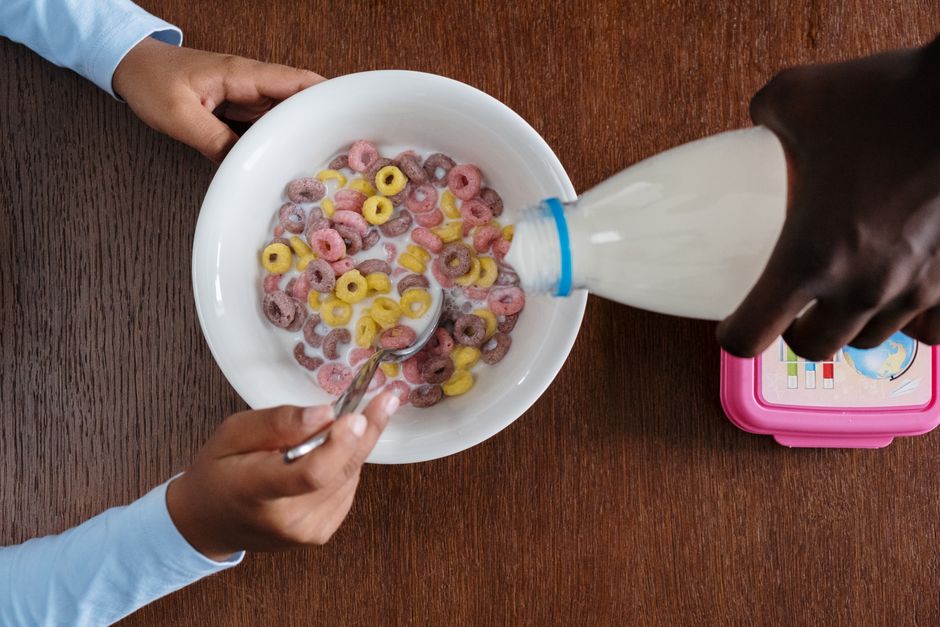
Most people assume a sugary cereal like Fruit Loops has no place in a weight loss plan. That assumption misses a bigger point about how calories and portion sizes actually work. The real question isn’t just about sugar — it’s about what fits into your daily energy balance.
Are Fruit Loops good for weight loss? No, Fruit Loops are not a good choice for weight loss because they are high in sugar and refined carbohydrates, low in protein and fiber, and provide roughly 110 calories per one-cup serving with about 12 grams of added sugar. The cereal itself won’t necessarily stop weight loss if you stay within your calorie target, but it makes staying full and satisfied much harder than choosing a higher-protein, higher-fiber breakfast.
Many women trying to lose weight get stuck in a cycle of eating low-calorie foods that leave them hungry an hour later. That hunger usually leads to snacking, which pushes total daily calories over the goal. Understanding how Fruit Loops fit into that pattern matters more than simply labeling the cereal “good” or “bad.”
This article breaks down the actual nutrition numbers, how the cereal affects hunger and blood sugar, and whether any realistic place for it exists in a weight loss plan. You will get straight answers based on food science, not marketing claims.
Key Points at a Glance
| Point | What It Means | Why It Matters |
|---|---|---|
| Calorie density | One cup has about 110 calories | Easy to overeat because the volume looks small |
| Sugar content | About 12 grams of added sugar per serving | Spikes blood sugar and can trigger cravings later |
| Protein and fiber | Under 2 grams of protein and 3 grams of fiber per serving | Low satiety means you will feel hungry sooner |
| Portion control | A single serving is one cup, much smaller than most people pour | Most people eat double or triple the serving size |
| Weight loss fit | Can fit within calories but not ideal for fullness | Makes sticking to a deficit harder long-term |
What Are the Actual Nutrition Numbers for Fruit Loops?
A one-cup serving of Fruit Loops contains roughly 110 calories, 12 grams of added sugar, less than 1 gram of fat, and about 1 gram of protein. The cereal also provides around 2 to 3 grams of dietary fiber, depending on the exact product formulation. These numbers come from USDA food composition data and are consistent across standard varieties.
Compare that to a breakfast of two eggs and a slice of whole grain toast, which delivers about 200 calories, 13 grams of protein, and 4 grams of fiber. The eggs and toast keep most people full for three to four hours. Fruit Loops with milk typically lasts about an hour before hunger returns. That difference in satiety directly affects how many calories you eat later in the day.
How Does the Sugar in Fruit Loops Affect Hunger and Cravings?
The 12 grams of added sugar in a single serving of Fruit Loops enters the bloodstream quickly. This rapid rise in blood sugar triggers insulin release, which then causes blood sugar to drop sharply about one to two hours later. That drop is what drives the familiar mid-morning craving for another sweet snack.
Some research suggests that diets high in added sugar are associated with increased overall calorie intake and higher body weight over time. The mechanism is not about sugar being “toxic” — it is about sugar displacing more filling foods and creating a hunger cycle that makes calorie control harder. A bowl of Fruit Loops rarely satisfies the way a protein-rich breakfast does.
Can Fruit Loops Fit Into a Calorie Deficit for Weight Loss?
Technically, yes. Weight loss comes down to consuming fewer calories than your body burns, regardless of the food source. If you eat a small serving of Fruit Loops and stay within your total daily calorie target, you will still lose weight. The math of energy balance does not exempt sugary cereals from working.
But the practical reality is different. A food that leaves you hungry within an hour makes it much harder to maintain a deficit throughout the day. You end up fighting cravings and hunger signals that a more balanced breakfast would never trigger. For most women, the trade-off is not worth the temporary enjoyment.
If you truly want Fruit Loops, the smarter approach is a half-cup serving (about 55 calories) mixed with plain Greek yogurt and berries. That combination adds protein and fiber while keeping the cereal flavor you enjoy. Use your TDEE calculator to find your maintenance calories, then decide if this fits your daily budget.
What Are Better Cereal Alternatives for Weight Loss?
Plain oats, bran flakes, and puffed whole grains deliver more fiber and protein per calorie than Fruit Loops. Unsweetened shredded wheat provides about 160 calories per cup with 6 grams of fiber and no added sugar. These options keep you fuller longer and do not cause the same blood sugar roller coaster.
Another strong option is high-protein cereal made from wheat or soy, which typically contains 10 to 15 grams of protein per serving. Pair any cereal with milk or Greek yogurt to boost protein further. The goal is to build a breakfast that keeps you satisfied until lunch without pushing your calorie count too high.
Frequently Asked Questions
Related Articles
Are Fruit Loops good for weight loss if I eat a small portion?
A small portion of Fruit Loops will not ruin weight loss if your total calories stay on target. But the low protein and fiber make hunger return quickly, which often leads to overeating later.
How many calories are in a bowl of Fruit Loops with milk?
A typical bowl with one cup of cereal and half a cup of skim milk totals about 150 calories. Most people pour closer to two cups, which brings the total to about 250 calories before any extras.
Do Fruit Loops cause blood sugar spikes?
Yes, Fruit Loops have a high glycemic index because of the refined grains and added sugar. This causes a rapid blood sugar rise followed by a sharp drop that triggers hunger.
Can I eat Fruit Loops as a pre-workout snack?
Fruit Loops can work as a quick carbohydrate source before exercise because the sugar digests fast. But a banana or a slice of whole grain toast provides similar energy with more nutrients.
What is the healthiest way to eat Fruit Loops?
Mix a half-cup of Fruit Loops with plain Greek yogurt and berries to add protein and fiber. This combination reduces the sugar impact and keeps you full longer than cereal with milk alone.
Are there any nutrients in Fruit Loops that help with weight loss?
Fruit Loops contain added vitamins and minerals like iron and B vitamins, but these do not directly support weight loss. You can get the same nutrients from whole foods with more fiber and protein.

The TDEECAL Team writes about nutrition, metabolism, and fat loss the way we built our calculator, with real numbers and no hype. We dig into the research so you don’t have to guess.