How to Drink Protein Powder for Weight Loss
The average woman trying to lose weight drinks her protein shake wrong. She sips it slowly alongside a meal, or uses it as a random snack.
The direct answer on how to drink protein powder for weight loss is simple: use it as a planned snack or meal replacement, mix it with water or unsweetened milk, and drink it within 30 minutes after your workout or between meals to control hunger. The goal is to add protein without adding extra calories from sugary mix-ins or creamy bases. This approach helps you feel full longer and keeps your total daily calories in check.
Most articles tell you which powder to buy, but that is only half the battle. The real question is how you prepare it, when you drink it, and what you avoid adding to it. Those choices determine whether your shake helps you lose weight or quietly adds calories you never counted.
Key Points at a Glance
| Point | What It Means | Why It Matters |
|---|---|---|
| Use water or unsweetened milk | Skip juice, full-fat dairy, and sweetened alternatives | Liquid calories add up fast and can erase your deficit |
| Drink it as a snack, not with a meal | Replace a snack you already eat, don’t add to one | Extra protein on top of regular meals means extra calories |
| Time it around workouts or between meals | Post-workout or mid-afternoon when hunger peaks | Helps control appetite and supports muscle recovery |
| Measure your scoop | One scoop is roughly 100 to 150 calories | Eyeballing portions can double your intake without noticing |
What Should You Mix Your Protein Powder With?
Water is the lowest-calorie option, and it is what most people should choose when weight loss is the priority. A scoop of protein powder mixed with water runs roughly 100 to 150 calories depending on the brand, and it gets the job done without any hidden extras.
Unsweetened almond milk is a close second. It adds creaminess for about 30 to 40 calories per cup, which makes the shake taste richer without blowing your calorie budget. Regular dairy milk works too, but a cup of whole milk adds about 150 calories, which can turn a light snack into a mini-meal.
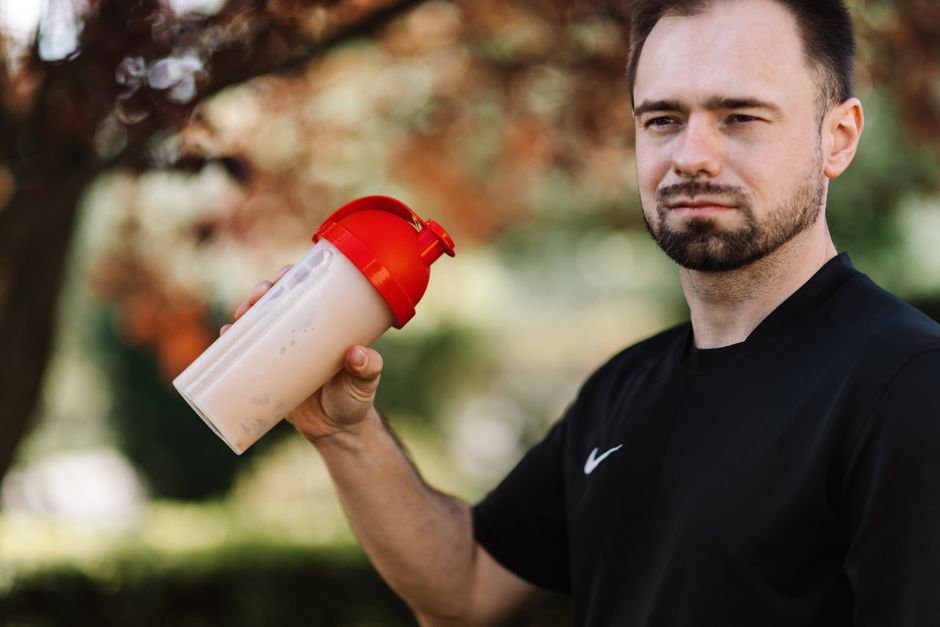
I always keep a shaker bottle with a tight lid in my kitchen. It sounds small, but a good shake with no clumps makes you less likely to add honey, peanut butter, or fruit to mask a gritty texture.
How Much Protein Do You Actually Need?
Research consistently shows that women trying to lose weight benefit from roughly 0.6 to 0.8 grams of protein per pound of body weight. For a 160-pound woman, that is about 96 to 128 grams of protein spread across the day. A single scoop of protein powder provides 20 to 25 grams of that total.
The key is to think of protein powder as a tool, not the whole plan. One shake per day is usually enough for most women. Two shakes only make sense if you are struggling to hit your protein target through regular food, which happens more often than you would think, especially for women who do not eat much meat.
Your body can only use so much protein at one time. Some studies suggest that spreading protein across meals works better for muscle retention than eating it all in one sitting. This is why a shake between breakfast and lunch often works better than a giant shake right before bed.
When Should You Drink It for Weight Loss?
The best time to drink protein powder for weight loss is when you are most likely to reach for something unhealthy. For many women, that is mid-afternoon, around 3 p.m., when energy dips and snack cravings kick in. A shake at that moment can prevent a 300-calorie vending machine purchase.
Post-workout is another strong option. Drinking protein within 30 minutes after exercise helps with muscle recovery, and it also fills you up so you are less tempted to reward yourself with a heavy meal afterward. This timing works especially well if you exercise before dinner.
What you should not do is drink a shake alongside a full meal. That adds calories rather than replacing them. If you are already eating a balanced dinner, a shake on top of it pushes you past your target, and those extra calories will slow your progress.
What Mistakes Are Sabotaging Your Results?
The biggest mistake is treating protein powder like a dessert. Adding banana, peanut butter, honey, and oats turns a 120-calorie shake into a 400-calorie meal that you drink in two minutes. You do not chew it, so your brain does not register fullness the same way it does with solid food.
Another common error is choosing a powder with added sugars. Some flavored powders contain 10 to 20 grams of sugar per scoop, which is nearly half the daily limit for added sugar. Check the label and look for powders with less than 3 grams of sugar per serving.
Portion control matters too. A “scoop” varies by brand, and some scoops are larger than others. If you are not measuring, you might be drinking 250 calories when you think you are drinking 120. Use a food scale once to see what your scoop actually weighs, then you will know for sure.
Frequently Asked Questions
Related Articles
Can I drink protein powder every day for weight loss?
Yes, daily use is safe for most healthy women when kept to one or two servings. Just count the calories from the powder in your daily total so you stay in a deficit.
Is it better to drink protein before or after a workout?
After is generally better for muscle recovery and appetite control. Before a workout, a shake can sit heavy in your stomach and cause discomfort during exercise.
Will protein powder make me gain weight?
Only if you drink it on top of your normal meals without adjusting anything else. Protein powder itself does not cause weight gain; excess calories do, regardless of the source.
How many calories are in a typical protein shake?
A scoop of protein powder mixed with water is roughly 100 to 150 calories depending on the brand. Adding milk, fruit, or nut butter increases that number significantly.
What is the best liquid to mix with protein powder?
Water is the lowest-calorie choice and works fine for most people. Unsweetened almond milk is a good alternative if you want a creamier texture without many added calories.
Can I use protein powder as a meal replacement?
It can replace one snack or a light meal occasionally, but it is not a complete meal replacement. Whole foods provide fiber and micronutrients that protein powder lacks, so do not rely on it for every meal.
If you want to track your exact calorie needs for weight loss, use our TDEE Calculator to find your maintenance calories and build a safe deficit from there.

The TDEECAL Team writes about nutrition, metabolism, and fat loss the way we built our calculator, with real numbers and no hype. We dig into the research so you don’t have to guess.