Can Ginger Actually Help You Lose Weight?
Ginger has been used in cooking and traditional medicine for thousands of years, but its role in weight management is often overstated online.
The direct answer is that ginger is beneficial for weight loss in a modest way. Research shows ginger can slightly increase calorie burn, reduce hunger feelings, and support better blood sugar control — but the effects are small. No amount of ginger will override a diet that is too high in calories.
Most people searching for this answer are tired of quick fixes that don’t work. They want to know if adding ginger to their routine is worth the effort. This article covers what the science actually says, how much you might need, and how to use it without wasting your money.
Key Points at a Glance
| Point | What It Means | Why It Matters |
|---|---|---|
| Thermic effect | Ginger may slightly raise how many calories you burn | Small but real contribution to daily energy balance |
| Appetite control | Some studies show reduced hunger after ginger consumption | Can help you eat less without feeling deprived |
| Blood sugar | Ginger may improve insulin sensitivity | Steadier energy and fewer cravings |
| Limits | Effects are modest, not dramatic | Ginger supports weight loss but doesn’t cause it alone |
What Does the Research Say About Ginger and Weight?
Several clinical trials have examined ginger’s effect on body weight and waist size. A 2019 review in the journal Critical Reviews in Food Science and Nutrition looked at 14 randomized controlled trials and found that ginger supplementation significantly reduced body weight and waist-to-hip ratio in adults with overweight or obesity.
The average weight loss was modest — roughly 1 to 2 pounds more than placebo over 8 to 12 weeks. That’s not dramatic, but it’s a genuine effect that can add up over time. The studies used ginger powder doses between 1 and 3 grams daily, usually split into multiple doses.
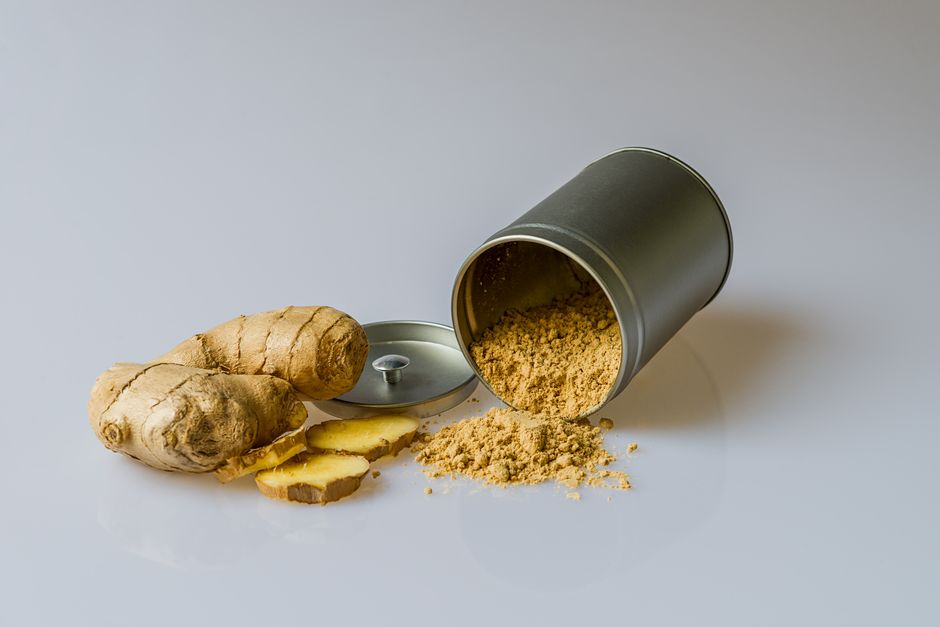
Practical note: I keep a small jar of ground ginger in my kitchen and add a quarter teaspoon to my morning tea. It’s an easy habit that costs pennies per serving.
How Does Ginger Affect Appetite and Fullness?
Some studies suggest ginger can influence hunger hormones. Research published in Metabolism found that consuming hot ginger water with a meal increased feelings of fullness and reduced hunger for up to six hours afterward.
The proposed mechanism involves gingerol, the active compound in ginger, which may slow stomach emptying and affect hormones like ghrelin that signal hunger. This doesn’t mean you’ll feel dramatically less hungry, but it may make sticking to your calorie target slightly easier.
Is Ginger Beneficial for Weight Loss Through Blood Sugar Control?
Blood sugar spikes and crashes can trigger cravings and overeating. Ginger appears to help with both. Several meta-analyses have found that ginger supplementation reduces fasting blood sugar and improves insulin sensitivity in people with type 2 diabetes and metabolic syndrome.
This effect matters for weight management because stable blood sugar means fewer energy crashes and less urgency to reach for quick carbs. The evidence here is stronger than the appetite research, though the clinical significance is still modest.
How Much Ginger Should You Use?
Clinical studies typically use 1 to 3 grams of ginger powder per day, divided into two or three doses. That’s roughly one quarter to one half teaspoon of ground ginger daily.
Fresh ginger is also effective. A one-inch piece of fresh ginger root contains about 1 gram of ginger when grated. You can steep it in hot water for tea, grate it into stir-fries, or blend it into smoothies.
Ginger supplements are another option, but quality varies widely between brands. If you choose supplements, look for standardized extracts and follow the label instructions. No established clinical guideline exists for ginger dosage specifically for weight loss, so treat these amounts as reasonable research-based starting points.
What Ginger Won’t Do
Ginger is not a fat burner in the dramatic sense that marketing suggests. It won’t melt fat from your midsection or compensate for a high-calorie diet. No study has confirmed that ginger alone produces meaningful weight loss.
The realistic role for ginger is as a small supporting player in an overall weight management plan. It pairs well with a calorie deficit, regular physical activity, and adequate sleep. If you’re already doing those things, ginger may give you a slight edge.
My observation: People who expect ginger tea to cancel out a fast-food lunch are always disappointed. People who add ginger to an already solid routine notice the difference — and it’s usually a better mood and steadier energy, not a sudden drop on the scale.
Are There Any Risks or Side Effects?
Ginger is generally safe for most people at culinary and supplemental doses. Some people experience mild heartburn, stomach upset, or diarrhea, especially at higher doses.
If you take blood thinners or have gallstones, talk to your doctor before using ginger supplements regularly. Ginger can interact with certain medications, and high doses may increase bleeding risk. Pregnant women should also consult their healthcare provider, as high-dose ginger is not recommended during pregnancy.
How to Add Ginger to Your Daily Routine
The simplest approach is ginger tea. Steep a few slices of fresh ginger in hot water for five minutes, then drink it before meals. You can also grate fresh ginger into soups, sauces, and salad dressings.
Another option is to add ground ginger to your morning oatmeal or yogurt. Start with a quarter teaspoon and adjust to taste. Consistency matters more than quantity — a small daily dose beats a large weekly one.
For those who prefer supplements, take them with food to reduce stomach irritation. Split the dose across the day rather than taking it all at once.
Related Articles
Frequently Asked Questions
Can ginger tea help you lose belly fat?
No food or drink targets belly fat specifically. Ginger tea may slightly support overall weight loss, which can reduce belly fat over time as part of a calorie deficit.
How much ginger should I take daily for weight loss?
Clinical studies use 1 to 3 grams of ginger powder per day, divided into doses. That equals roughly one quarter to one half teaspoon of ground ginger.
Is it better to use fresh ginger or powdered ginger?
Both forms are effective, and the choice comes down to convenience. Fresh ginger is more versatile in cooking, while powdered ginger is easier to measure and add to drinks.
How long does it take for ginger to affect weight?
Studies typically last 8 to 12 weeks before showing measurable differences. You may notice appetite changes sooner, but weight changes take time.
Can ginger suppress appetite?
Some studies show ginger increases fullness and reduces hunger for several hours after a meal. The effect is modest but real, and it varies between individuals.
Does ginger interact with any medications?
Ginger can interact with blood thinners and diabetes medications. If you take prescription drugs, check with your doctor before using high-dose ginger supplements.
Ginger is a reasonable addition to a weight loss plan, but it’s not a shortcut. Use it consistently, keep your expectations realistic, and let it support the habits that actually drive results. For a personalized calorie target that fits your body and activity level, use our TDEE Calculator to find your maintenance calories and build your deficit from there.

The TDEECAL Team writes about nutrition, metabolism, and fat loss the way we built our calculator, with real numbers and no hype. We dig into the research so you don’t have to guess.