Can You Wear a Faja for Weight Loss?
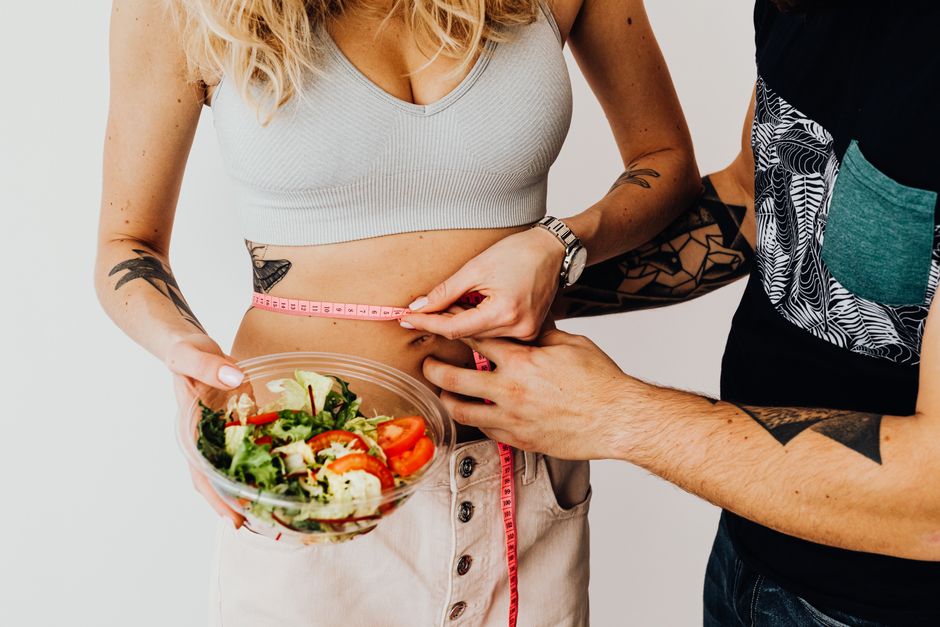
That compression garment in your closet might feel like a shortcut, but the truth is more complicated. Yes, you can wear a faja for weight loss, but it won’t actually burn fat or change your body composition. A faja is a shaping tool that temporarily compresses your midsection, not a solution for losing weight.
Many women buy these tight garments hoping for visible results without changing their habits. The reality is that fajas have been around for decades, especially in Latin American cultures, and they do serve a purpose. But that purpose is about appearance and support, not about changing your metabolism or melting fat away.
This article breaks down what a faja can and cannot do, how to use one safely if you choose to, and why your weight loss results depend on things that have nothing to do with how tight you can pull a waist cincher. You will also learn what the research actually says about compression garments and why some claims you see online simply are not true.
Key Point: A faja is a shaping garment, not a weight loss tool. It creates a smoother silhouette while worn, but any change in your measurements disappears once you take it off.
Key Points at a Glance
| Point | What It Means | Why It Matters |
|---|---|---|
| Fajas do not burn fat | Compression does not change your metabolism or target fat cells | You cannot lose weight by wearing a garment alone |
| Temporary results only | Your body returns to its natural shape when the faja comes off | Any measurement changes are water and tissue displacement, not fat loss |
| Safety risks exist | Wearing a faja too tight or too long can cause breathing issues or nerve compression | Your health matters more than a temporary silhouette |
| Real weight loss takes energy balance | You need a calorie deficit from food and movement | Use our TDEE calculator to find your maintenance calories |
What Does a Faja Actually Do to Your Body?
A faja applies firm, consistent pressure to your midsection. This pressure temporarily pushes soft tissue inward, which creates a smoother appearance under clothing. Some women also report that wearing one reminds them to stand up straighter, which can make the stomach look flatter.
That is the entire mechanical effect. The garment does not increase your heart rate, raise your body temperature enough to burn meaningful calories, or change how your body processes food. Some brands claim that wearing a faja causes you to sweat more, and that sweat is mistaken for fat loss. But sweat is water loss, and you replace that water the next time you drink something.
I have worn shaping garments myself, and the difference they make is purely visual. When I take one off after a long day, my stomach looks exactly the same as it did before I put it on. That is the honest truth about what these garments can do.
Can You Wear a Faja for Weight Loss Without Changing Your Diet?
The short answer is no. No study has ever shown that wearing a compression garment causes fat loss. Some research on compression clothing has looked at athletic recovery, but that is a completely different purpose than weight loss.
Weight loss happens when you consistently eat fewer calories than your body burns. That calorie deficit forces your body to use stored fat for energy. A faja does not create a calorie deficit, and it does not make your body use stored fat. It simply squeezes you.
If you want to know how many calories your body actually needs, start with a TDEE calculator to get your maintenance number. Then you can create a modest deficit from there. That is the only method that has consistent research behind it.
Practical Advice: If you like how you look in a faja, wear one for special occasions or under fitted outfits. Just do not expect it to change your weight on the scale.
What Are the Risks of Wearing a Faja Too Tight?
Fajas are designed to be snug, but there is a difference between snug and dangerous. Wearing a faja that is too tight can restrict your breathing, especially during physical activity. Some women report acid reflux, heartburn, or digestive discomfort from the constant pressure on their stomach.
Nerve compression is another real concern. A faja that digs into your ribs or hips can put pressure on nerves, causing tingling, numbness, or pain. In rare cases, very tight garments have been linked to blood clots, though this is not well studied in healthy women wearing fajas occasionally.
If you experience any pain, numbness, or difficulty breathing while wearing a faja, take it off immediately. Your body is telling you something, and no temporary shaping effect is worth those risks.
How to Use a Faja Safely If You Choose to Wear One
If you decide to wear a faja, start with a size that fits comfortably without leaving deep marks in your skin. You should be able to breathe normally and sit down without the garment rolling or digging in. Wear it for a few hours at a time, not all day.
Take the faja off before sleeping, exercising, or doing anything strenuous. Your body needs room to move and breathe, especially when your heart rate is up. And always listen to your body — if something feels wrong, it probably is.
One thing I have learned from talking to women who swear by fajas is that they use them as a styling tool, not a weight loss method. They wear them for a night out or a big event. That is a reasonable way to use a shaping garment.
What Actually Works for Losing Belly Fat?
If your goal is to lose weight around your midsection, the approach is the same as losing weight anywhere else. You need a consistent calorie deficit, enough protein to preserve muscle, and some form of strength training. No garment, cream, or wrap changes that equation.
Some studies suggest that high-protein diets help with satiety, meaning you feel fuller for longer. That can make it easier to stick to a calorie deficit. Strength training helps preserve lean mass while you lose fat, which keeps your metabolism from dropping too much.
Start by calculating your maintenance calories with a TDEE calculator, then aim for a deficit of about 300 to 500 calories per day. That is a sustainable pace that most people can maintain without feeling miserable.
Related Articles
Frequently Asked Questions
Can you wear a faja for weight loss and see real results?
No, a faja does not cause fat loss or change your body composition. It only creates a temporary compressed appearance while you are wearing it.
How many hours a day should you wear a faja?
Most manufacturers recommend wearing one for 4 to 8 hours, but there is no clinical guideline for this. Listen to your body and take it off if you feel any pain or discomfort.
Does sweating in a faja help you lose weight?
Sweat is water loss, not fat loss, and you replace that water when you drink. The weight you lose from sweating comes back as soon as you rehydrate.
Can a faja damage your organs?
No strong evidence shows that a properly fitted faja damages organs. However, an extremely tight garment can restrict breathing and cause digestive discomfort.
Will a faja help after pregnancy?
Some women find compression garments comfortable after delivery, but they do not strengthen your core or speed up weight loss. Check with your doctor before wearing one postpartum.
What is the best way to lose belly fat?
A calorie deficit from diet and exercise is the only evidence-backed method. Use a TDEE calculator to find your maintenance calories and create a modest deficit from there.

The TDEECAL Team writes about nutrition, metabolism, and fat loss the way we built our calculator, with real numbers and no hype. We dig into the research so you don’t have to guess.