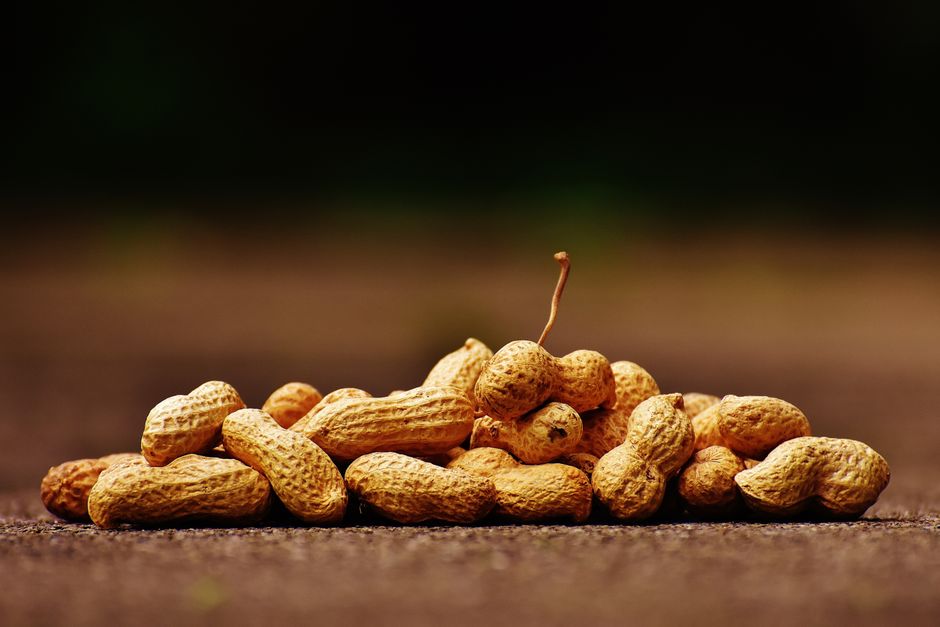
Groundnuts—peanuts, to most of us—sit in a strange spot in the weight loss conversation. They are calorie-dense little legumes, yet they show up in nearly every diet plan I have ever seen work long-term for my readers.
Yes, groundnut is healthy for weight loss when eaten in controlled portions, because its protein, fiber, and healthy fats keep you full for hours after a small serving. The key is portion control, since a single ounce contains roughly 160 to 170 calories depending on preparation. This article covers exactly how to fit groundnuts into a calorie deficit without derailing your progress.
Most generic advice either tells you to avoid nuts entirely or treats them like a free snack. Both approaches fail. I have written about nutrition for over a decade, and the women who succeed with groundnuts treat them as a measured tool, not an unlimited snack.
You will learn the actual science behind groundnuts and satiety, how many you can eat daily, and which forms—raw, roasted, or butter—actually help your goals. I will also clear up the confusion about aflatoxins and whether “diet” peanut butter is worth the extra cost.
Key Points at a Glance
| Point | What It Means | Why It Matters |
|---|---|---|
| Calorie density | One ounce (about 28 grams) has roughly 160–170 calories | Easy to overeat; portion control decides success |
| Satiety power | Protein and fiber slow digestion and curb hunger | Helps you eat less overall without feeling deprived |
| Fat profile | Mostly monounsaturated and polyunsaturated fats | Supports heart health while you cut calories |
| Best form | Plain dry-roasted or raw groundnuts beat flavored versions | Added oils and sugar quietly add hundreds of calories |
What Does the Science Say About Groundnuts and Weight?
Research consistently shows that nut eaters tend to have lower body weight than non-nut eaters, despite nuts being calorie-dense. A well-known study in the American Journal of Clinical Nutrition found that people who included nuts in their diet actually lost more weight than those who avoided them entirely.
The mechanism is straightforward. Groundnuts trigger satiety hormones that plain carbohydrates do not. When you eat a small handful, your brain gets a clear signal that you are full, which makes it easier to skip the afternoon vending machine run.
One thing I tell every reader who struggles with portions: buy the single-serving packets. I know they cost a bit more, but I have watched too many people eat half a jar in one sitting because the big bag was open on the counter.
Practical tip: Measure one ounce (about 28 peanuts) into a small bowl before you start eating. Never eat straight from the bag—your brain loses track of portions almost immediately.
Is Groundnut Healthy for Weight Loss Compared to Other Snacks?
Compared to crackers, pretzels, or granola bars, groundnuts are clearly the better choice for weight loss. A serving of groundnuts keeps you full for two to three hours, while refined carbohydrates often leave you hungry within 45 minutes.
One ounce of groundnuts delivers about 7 grams of protein and 2.4 grams of fiber. That combination is rare in snack foods. Most processed snacks give you sugar and refined flour, which spike blood glucose and crash soon after.
My personal rule for clients is simple: if a snack has more than five ingredients, it is probably not helping your weight loss. Groundnuts have one ingredient. That simplicity matters more than most people realize.
How Many Groundnuts Can You Eat Per Day Without Gaining Weight?
For most women in a calorie deficit, one to two ounces per day (about 28 to 56 grams) fits comfortably without stalling progress. That translates to roughly one small handful or two, depending on your total daily calorie target.
Two ounces add about 320 to 340 calories to your day. If your maintenance calories sit around 1,800, that portion is manageable. But if you are eating at 1,400 calories to lose weight, two ounces take up a significant slice of your budget.
I always recommend tracking groundnuts for the first two weeks, even if you normally avoid food tracking. The visual difference between one ounce and two ounces is small, but the calorie difference is not. Most people are surprised by how small a true serving actually looks.
Practical tip: Use a food scale once to see what one ounce looks like in your favorite bowl. After that, you will recognize the portion by eye and can skip the scale.
Which Form of Groundnut Is Best for Weight Loss?
Plain dry-roasted or raw groundnuts are your best options. Flavored varieties—honey-roasted, BBQ, or chocolate-covered—add sugar and oil that quietly double the calorie count without adding fullness.
Groundnut butter works well too, but read the label carefully. Look for options with only groundnuts and maybe salt. Many commercial peanut butters add palm oil and sugar, which changes the calorie math and the health profile.
Groundnut oil is a different story entirely. It is pure fat with no protein or fiber, so it does not provide the same satiety benefits. Use it sparingly for cooking, but do not count it as a serving of groundnuts.
I keep a jar of unsalted groundnut butter in my pantry for days when I need a quick protein boost. One tablespoon on an apple is my go-to afternoon snack, and it holds me until dinner better than anything else I have tried.
Do Groundnuts Cause Weight Gain Because of Their Fat Content?
No, the fat in groundnuts does not automatically cause weight gain. Weight gain happens when you eat more calories than your body burns, regardless of where those calories come from.
Groundnut fat is mostly monounsaturated, the same type found in olive oil and avocados. Studies have linked this fat profile to better heart health and improved cholesterol levels, even during weight loss.
The real issue is portion creep. A handful becomes two, then three, and suddenly you have eaten 500 calories without noticing. That is how groundnuts cause weight gain—not because of the fat itself, but because of the volume.
One trick that works for many of my readers: buy groundnuts still in the shell. The extra effort of shelling slows you down, and the shells take up visual space, making a smaller amount feel like more food.
What About Aflatoxins in Groundnuts?
Aflatoxins are naturally occurring compounds produced by certain molds that can grow on groundnuts. High long-term exposure is linked to liver damage, which is a legitimate concern for people who eat large amounts daily.
Regulatory agencies in the US and Europe set strict limits on aflatoxin levels in commercial groundnut products. The risk is very low for people buying from reputable brands and storing groundnuts in a cool, dry place.
You can reduce the risk further by choosing well-known brands and discarding any groundnuts that look moldy or taste bitter. The occasional bitter groundnut is a sign to spit it out rather than swallow.
I do not recommend eliminating groundnuts over aflatoxin fears. The evidence shows that the health benefits of moderate consumption outweigh the very small risk for most people, especially when buying from established brands.
How Do Groundnuts Fit Into a Calorie Deficit?
Groundnuts work best as a planned part of your daily calorie budget, not as an unplanned snack. If you know you will eat one ounce at 3 PM, subtract about 165 calories from your lunch or dinner.
Pair groundnuts with fruit or vegetables for better satiety. An apple with a tablespoon of groundnut butter keeps you full longer than either food alone, because the fiber and protein work together.
If you are struggling to lose weight and suspect groundnuts are the culprit, try removing them for one week. If your weight loss resumes, you were likely eating more than you realized. If nothing changes, groundnuts are not your problem.
Use the TDEE calculator to find your maintenance calories first. Then decide where groundnuts fit into your deficit. That math matters more than any single food choice.
Related Articles
Frequently Asked Questions
Can I eat groundnuts every day while trying to lose weight?
Yes, one to two ounces per day fits into most weight loss plans without issue. Just track the calories and adjust your other meals accordingly.
Are roasted groundnuts less healthy than raw ones?
Dry-roasted groundnuts are nearly identical nutritionally to raw ones. Oil-roasted versions add extra calories, so check the label before buying.
Does groundnut butter help with weight loss?
Groundnut butter can help if you choose a natural brand with no added sugar or oil. One tablespoon is a reasonable serving, and it pairs well with fruit or whole-grain toast.
Will eating groundnuts at night cause weight gain?
No, the time of day does not determine weight gain—total daily calories do. A small evening portion fits fine as long as you stay within your calorie budget.
How many groundnuts are in one serving?
One serving is about 28 grams, which is roughly 28 to 30 individual groundnuts. That is about one small handful or two tablespoons of groundnut butter.

The TDEECAL Team writes about nutrition, metabolism, and fat loss the way we built our calculator, with real numbers and no hype. We dig into the research so you don’t have to guess.