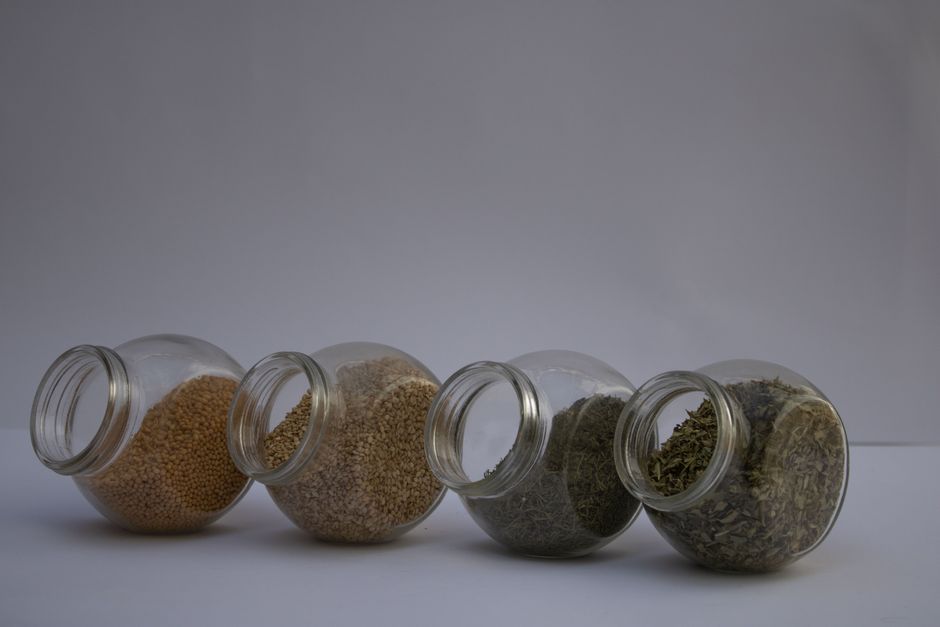
Fennel seeds sit in most spice racks, but few people know they might help with weight management. These small green seeds have been used in traditional medicine for centuries, and modern research is starting to catch up.
To take fennel seeds for weight loss, the most common method is chewing 1 to 2 teaspoons of whole seeds after meals, or steeping them in hot water as a tea. You can also grind them into a powder and add it to meals or smoothies. The seeds may help reduce appetite and improve digestion, though they are not a standalone weight loss solution.
Most articles on fennel seeds repeat the same vague advice without explaining why it works or how to do it properly. This guide covers the actual evidence, the practical methods, and the honest limitations. You will learn what the research really says about fennel seeds and weight loss, and how to use them without falling for exaggerated claims.
Weight loss ultimately comes down to calories in versus calories out. Fennel seeds are not a magic bullet, but they can be a useful addition to a solid eating plan. Let’s look at what the science actually supports.
Key Points at a Glance
| Point | What It Means | Why It Matters |
|---|---|---|
| Appetite suppression | Some studies suggest fennel may reduce hunger sensations | Lower appetite can help you eat fewer calories naturally |
| Digestive support | Fennel seeds may ease bloating and gas | Better digestion supports consistent healthy eating |
| Tea vs. seeds | Both methods work, but tea is lower in calories | Chewing seeds adds about 7 calories per teaspoon |
| Not a standalone fix | No seed can replace a calorie deficit | Use fennel as a support tool, not a primary strategy |
What Does the Research Say About Fennel Seeds and Weight?
Research on fennel seeds and weight loss is limited but interesting. A 2021 study published in the journal Complementary Therapies in Medicine found that postmenopausal women who took fennel supplements for 8 weeks reported reduced appetite and lower body weight compared to the placebo group. The effect was modest, and the study used a concentrated supplement rather than whole seeds.
Other research has focused on fennel’s traditional use for digestion. A review in the Journal of Ethnopharmacology noted that fennel has carminative properties, meaning it helps reduce gas and bloating. That effect can make your stomach feel flatter, which some people mistake for actual fat loss. The distinction matters — feeling less bloated is not the same as losing body fat.
One honest limitation: most fennel studies use concentrated extracts or supplements, not kitchen seeds. The doses in research are often higher than what you would reasonably chew after a meal. So while the evidence is promising, it does not confirm that a teaspoon of seeds will produce measurable weight loss.
How to Take Fennel Seeds for Weight Loss: The Practical Methods
You have three reliable ways to use fennel seeds, and each has its own advantages. The best choice depends on your routine and how you prefer to consume them.
Chewing whole seeds is the traditional method. Take 1 teaspoon after meals and chew slowly. The seeds release their natural oils, which may help with digestion. The flavor is strong and slightly sweet, similar to licorice. If you find the taste intense, start with half a teaspoon and build up.
Fennel tea is the most popular method for good reason. Crush 1 to 2 teaspoons of seeds lightly with a spoon, add them to a cup of hot water, and steep for 5 to 10 minutes. Strain and drink. This method adds almost no calories and gives you the benefit of hydration, which supports weight loss by keeping your metabolism and digestion running smoothly.
Ground powder is the most flexible option. Grind seeds in a coffee grinder and add a teaspoon to yogurt, oatmeal, or smoothies. The powder blends easily and adds a mild flavor. One caution: ground seeds lose their potency faster than whole seeds, so store them in an airtight container and use within a few weeks.
When Should You Take Fennel Seeds for Best Results?
Timing matters less than consistency, but some patterns are worth following. Taking fennel seeds after meals is the most common recommendation because that is when digestive support is most useful. The seeds may help reduce the bloated feeling that often follows a large meal.
Some people prefer fennel tea in the evening as a substitute for dessert or late-night snacking. A warm cup of tea can satisfy the habit of eating something after dinner without adding calories. If you use fennel to manage cravings, this timing makes practical sense.
There is no strong evidence that taking fennel seeds at a specific time of day changes weight loss outcomes. The real benefit comes from using them consistently as part of a calorie-controlled diet. Choose a time that fits your routine and stick with it.
How Many Calories Are in Fennel Seeds?
A single teaspoon of whole fennel seeds contains roughly 7 calories. That is negligible in the context of a full day’s intake. Even if you ate 3 teaspoons spread across the day, you would add only about 21 calories — less than a single bite of most snacks.
Fennel tea is essentially calorie-free. Steeping the seeds in water extracts some of the flavor and beneficial compounds without transferring meaningful calories. This makes tea the best option if you are counting every calorie closely.
If you use ground fennel powder in recipes, the calorie count stays the same per teaspoon. Just be mindful of what you add the powder to. A teaspoon of fennel in plain yogurt is a smart choice. A teaspoon of fennel in a sugary smoothie defeats the purpose.
What Fennel Seeds Can and Cannot Do for Weight Loss
Fennel seeds can help weight loss in indirect ways. They may reduce appetite, ease bloating, and give you a satisfying low-calorie ritual after meals. Those effects are real, even if they are modest. Some research also suggests fennel may help regulate blood sugar, which can reduce cravings for sugary foods.
Fennel seeds cannot cause weight loss on their own. No study has shown that adding fennel to an unchanged diet produces meaningful fat loss. The seeds work only as a support tool within a calorie deficit. If you eat more calories than you burn, fennel seeds will not change that equation.
Beware of marketing claims that call fennel a “fat burner.” That phrase is not backed by clinical evidence. Fennel does not increase your metabolic rate in any meaningful way. The honest framing is that fennel helps you eat less and feel better while doing it, which supports weight loss indirectly.
Are There Any Side Effects or Precautions?
Fennel seeds are safe for most people in culinary amounts. Side effects are rare but can include mild nausea or an allergic reaction in people sensitive to plants in the carrot family. If you have never eaten fennel before, start with a small amount to see how your body reacts.
Pregnant women should be cautious with fennel seed supplements. While culinary use in food is generally considered safe, concentrated extracts have not been well studied in pregnancy. Fennel has estrogen-like properties that could theoretically affect hormone-sensitive conditions. If you have a history of hormone-related health issues, talk to your doctor before using fennel supplements.
One practical caution: chewing large amounts of fennel seeds can cause a temporary numbing sensation in the mouth. This is normal and harmless. It comes from anethole, the same compound that gives fennel its licorice flavor. Stick to reasonable amounts and you will not need to worry.
Related Articles
Frequently Asked Questions
Can I take fennel seeds on an empty stomach?
Yes, fennel seeds on an empty stomach are generally safe and may help reduce appetite before meals. Some people find the flavor strong on an empty stomach, so start with a smaller amount if needed.
How much fennel seed should I eat daily for weight loss?
Most recommendations fall between 1 and 3 teaspoons of whole seeds per day, split across meals. No established clinical dose exists for weight loss, so keep amounts modest and within normal culinary ranges.
Is fennel seed tea better than chewing the seeds?
Tea is lower in calories and easier to consume in larger volumes, while chewing provides stronger flavor and longer chewing time. Both methods work, so choose the one that fits your routine better.
How long does it take for fennel seeds to work for weight loss?
You may notice reduced bloating within a few days of regular use, but any weight loss effect takes weeks to become measurable. Fennel is a support tool, not a quick fix, and results depend on your overall calorie intake.
Can fennel seeds replace a meal for weight loss?
No, fennel seeds are not a meal replacement and lack the protein, fiber, and nutrients your body needs. Using them this way would leave you undernourished and is not a safe or effective weight loss strategy.
Do fennel seeds interact with any medications?
Fennel may interact with estrogen-based medications and blood thinners due to its natural compounds. If you take either type of medication, check with your doctor before using fennel seed supplements regularly.
Fennel seeds are a simple, low-cost addition to a weight loss plan, but they cannot do the heavy lifting alone. Use them as a tool to manage appetite, reduce bloating, and replace high-calorie evening snacks. Pair them with a calorie deficit and regular activity, and they become a useful part of your routine. Track your overall intake with our TDEE calculator to make sure your calorie target is on point.

The TDEECAL Team writes about nutrition, metabolism, and fat loss the way we built our calculator, with real numbers and no hype. We dig into the research so you don’t have to guess.