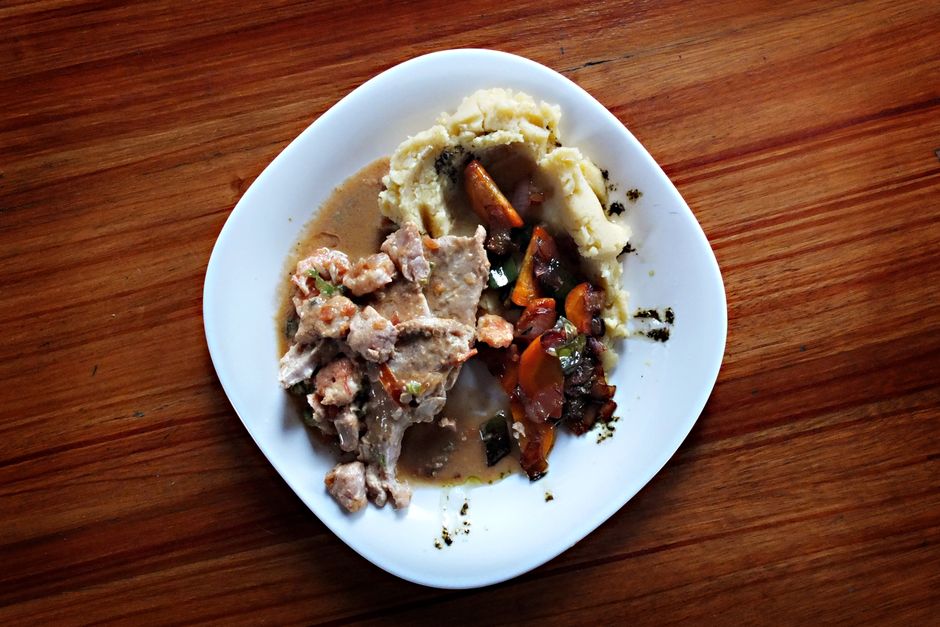
Is Moussaka Healthy for Weight Loss? The Real Answer
Moussaka is a Mediterranean comfort food that can fit into a weight loss plan, but the traditional Greek version is usually too heavy to eat regularly. It is moussaka healthy for weight loss depends entirely on how you prepare it. A standard restaurant portion with fried eggplant, lamb, and béchamel sauce can easily reach 600 to 800 calories. But a lighter homemade version can come in around 350 to 400 calories per serving while still tasting satisfying.
Most people assume moussaka is automatically healthy because it features eggplant and tomatoes. That assumption misses the real problem. The béchamel sauce and fried layers are where the calories and saturated fat hide. The good news is that you can keep the soul of the dish intact while making smart swaps that genuinely support weight loss.
This article breaks down the actual nutrition of moussaka, what makes it work or fail for weight loss, and how to build a version you can eat regularly without derailing your progress. You will also get practical answers to common questions about portion sizes, calorie counts, and healthier cooking methods.
Key Points at a Glance
| Point | What It Means | Why It Matters |
|---|---|---|
| Traditional moussaka is calorie-dense | 600–800 calories per restaurant serving | Too much for one meal if you are watching calories |
| Eggplant is low-calorie | About 20 calories per cup raw | Great base for a filling, low-calorie dish |
| Béchamel sauce is the main culprit | Butter, flour, and milk add heavy calories | Swapping it can cut 150–200 calories per serving |
| Lamb is higher in saturated fat | Lean ground beef or turkey works better | Protein stays high while fat drops significantly |
| Portion control matters most | One serving is about 1.5 cups | Even lighter versions work only if you measure |
What Is Actually in Traditional Moussaka?
Moussaka is a layered casserole with eggplant, a meat sauce, and a creamy topping. The classic Greek version uses fried eggplant slices, ground lamb, tomatoes, onions, and a thick béchamel sauce made with butter, flour, and milk. Some versions add potatoes or zucchini.
The frying step is the first problem. Eggplant acts like a sponge when fried, absorbing a shocking amount of oil. A single cup of fried eggplant can add 200 to 300 calories compared to the same amount roasted. That oil also brings saturated fat that does nothing for your satiety.
The béchamel sauce is the second problem. A traditional béchamel uses equal parts butter and flour cooked into a roux, then whisked with whole milk. That sauce alone can add 200 to 300 calories per serving before you even touch the meat and vegetables.
The meat layer is more flexible. Ground lamb is flavorful but higher in saturated fat than lean beef or turkey. A 3-ounce portion of ground lamb has about 250 calories and 17 grams of fat. The same amount of 93% lean ground beef has about 170 calories and 9 grams of fat.
Can Moussaka Fit Into a Weight Loss Diet?
Yes, moussaka can absolutely fit into a weight loss diet if you adjust the preparation. The key is understanding that the base ingredients — eggplant, tomatoes, onions, and herbs — are all low-calorie and nutrient-dense. The problems are the cooking method and the sauce.
Roasting the eggplant instead of frying cuts a significant number of calories. Roasted eggplant slices need only a light brush of olive oil, about one teaspoon per serving. That change alone can save 150 to 200 calories per serving compared to fried eggplant.
Replacing the béchamel with a lighter topping is the biggest win. A simple mixture of Greek yogurt, eggs, and a small amount of grated cheese creates a similar creamy layer with far fewer calories. This swap can save another 150 to 200 calories per serving.
Choosing lean ground meat keeps the protein high while reducing saturated fat. Ground turkey or 93% lean beef works well with the same Mediterranean spices. You can also stretch the meat layer with extra vegetables like mushrooms or zucchini to increase volume without adding many calories.
Is Moussaka Healthy for Weight Loss Compared to Other Meals?
Compared to other comfort foods, a lighter moussaka is actually a smart choice. It delivers a good amount of protein, fiber, and vegetables in one dish. A serving of lighter moussaka has roughly 350 to 400 calories, 25 to 30 grams of protein, and 6 to 8 grams of fiber.
That nutrition profile beats many common weight loss meals. A typical frozen diet dinner often has 300 to 400 calories but only 15 to 20 grams of protein and very little fiber. Moussaka keeps you fuller for longer because of the protein and fiber combination.
The Mediterranean herbs and spices also help. Oregano, cinnamon, and nutmeg add flavor without any calories. That means you do not need heavy sauces or extra salt to make the dish satisfying.
The main risk is portion distortion. Moussaka is a dense casserole, and a serving looks smaller than a salad or a stir-fry of the same calorie count. Weigh your portion rather than judging by eye.
How to Make a Weight Loss-Friendly Moussaka
Start with the eggplant. Slice it into half-inch rounds, salt both sides, and let it sit for 30 minutes. Rinse and pat dry, then roast at 400°F for 20 minutes with a light spray of olive oil. This removes excess moisture and prevents sogginess.
For the meat layer, brown lean ground turkey or beef with onions, garlic, and diced tomatoes. Add cinnamon, oregano, and a pinch of nutmeg for that authentic moussaka flavor. Simmer until the sauce thickens slightly.
For the topping, whisk together 1 cup of plain Greek yogurt, 2 eggs, and 2 tablespoons of grated parmesan. This creates a custard-like layer that browns beautifully without the butter and flour of traditional béchamel.
Layer the roasted eggplant and meat sauce in a baking dish, pour the yogurt topping over the top, and bake at 375°F for 30 to 35 minutes. Let it rest for 10 minutes before serving so the layers hold together.
Frequently Asked Questions
Related Articles
How many calories are in a serving of moussaka?
A traditional restaurant serving has 600 to 800 calories. A lighter homemade version with roasted eggplant and a yogurt topping has roughly 350 to 400 calories per serving.
Is moussaka good for weight loss?
Yes, when prepared with lighter ingredients and controlled portions. The eggplant, tomatoes, and lean meat provide protein and fiber that support satiety and weight management.
What is the healthiest meat for moussaka?
Lean ground turkey or 93% lean ground beef are the best choices. They provide high protein with significantly less saturated fat than traditional ground lamb.
Can I eat moussaka on a low-carb diet?
Yes, moussaka is naturally low in carbohydrates. A serving has roughly 15 to 20 grams of net carbs depending on whether you add potatoes or other starchy vegetables.
Is the béchamel sauce in moussaka unhealthy?
Traditional béchamel is calorie-dense because it contains butter, flour, and whole milk. Replacing it with a Greek yogurt and egg topping cuts calories substantially while keeping a creamy texture.
How often can I eat moussaka while losing weight?
You can eat it once or twice a week as part of a balanced diet. The key is keeping portions to about 1.5 cups and pairing it with a large green salad.
Calculate your daily calorie needs with our TDEE calculator to see how moussaka fits into your personal weight loss plan.

The TDEECAL Team writes about nutrition, metabolism, and fat loss the way we built our calculator, with real numbers and no hype. We dig into the research so you don’t have to guess.