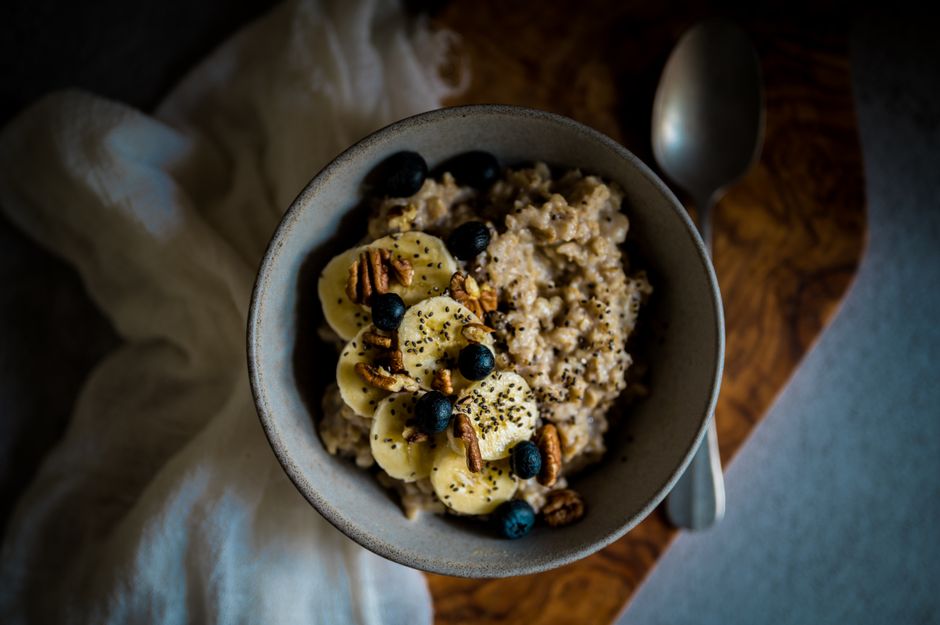
A bowl of warm oatmeal with sliced banana is a classic breakfast, but many women wonder if this comforting combo actually helps or hurts their weight loss efforts. The answer depends entirely on how you build the bowl.
Yes, banana and oatmeal is good for weight loss when portioned correctly, because the combination provides filling fiber, resistant starch, and steady energy that helps control appetite. A typical serving of half a cup of dry oats cooked with water and one small banana contains roughly 250 to 300 calories, which fits well into a standard weight loss meal plan. The key is skipping added sugars and being mindful of portion sizes, as both foods are carbohydrate-dense.
Most generic advice tells you to just “eat healthy,” but that rarely addresses the real problem: how much, what to add, and when to eat it. This article breaks down the actual science behind oats and bananas, shows you exactly what a weight-loss-friendly portion looks like, and explains what toppings help or hurt your progress. You will also get practical answers to the most common questions about this breakfast pairing.
Key Points at a Glance
| Point | What It Means | Why It Matters |
|---|---|---|
| Calorie density | Oats and banana are moderate in calories but high in volume | You feel full on fewer calories than many other breakfasts |
| Fiber content | Both foods provide 4–7 grams of fiber per serving | Fiber slows digestion and reduces hunger for hours |
| Blood sugar impact | Banana adds natural sweetness but also raises sugar load | Pairing with protein or fat prevents energy crashes |
| Portion control | Oats expand 3x when cooked, making portions deceiving | Measuring dry oats prevents accidental overeating |
| Toppings matter | Nuts, seeds, and nut butter improve satiety | Bare oats digest quickly and may leave you hungry |
What Makes Banana and Oatmeal a Weight Loss Friendly Breakfast?
Research consistently shows that high-fiber breakfasts support weight management better than low-fiber options. A half-cup serving of dry rolled oats provides about 4 grams of fiber, and one medium banana adds another 3 grams. That combination delivers roughly a quarter of your daily fiber needs before noon, which slows stomach emptying and keeps hunger signals quiet for several hours.
The resistant starch in slightly underripe bananas is particularly interesting. Some studies indicate resistant starch acts like fiber, feeding beneficial gut bacteria and increasing feelings of fullness. I always recommend choosing a banana that is still slightly green at the tips for this reason — it makes a subtle but real difference in how satisfied you feel after eating.
Is Banana and Oatmeal Good for Weight Loss or Just Another Carb Bomb?
The short answer is that banana and oatmeal is good for weight loss, but only if you control portions and balance the meal. The combined carbohydrate load of a large banana and a generous bowl of oats can reach 80 grams of carbs, which is more than some people need in an entire meal. For a woman aiming for 1,400 to 1,600 calories daily, that single breakfast could take up a third of her daily carb allowance.
However, carbohydrates are not the enemy. The glycemic index of oats is moderate, and the fiber in both foods blunts blood sugar spikes. The real problem is eating a huge portion and adding sugary toppings like honey, dried fruit, or flavored syrups. Stick to one small or medium banana and half a cup of dry oats, and this meal stays well within healthy parameters.
My personal rule in the kitchen is simple: if the bowl looks like a mountain, it is too much. A proper serving of cooked oats should fit in a standard cereal bowl with room to spare before adding the banana slices.
How Many Calories Are in Banana and Oatmeal?
A standard weight loss portion of banana and oatmeal contains roughly 250 to 350 calories, depending on the type of oats and the banana size. Half a cup of dry rolled oats (about 40 grams) provides approximately 150 calories, while a small banana (about 100 grams) adds roughly 90 calories. Cooking with water instead of milk saves another 50 to 100 calories per serving.
Instant oatmeal packets are a different story. Many flavored varieties contain added sugar, bringing a single serving to 160 to 200 calories before you even add the banana. Plain instant oats are fine, but check the ingredient list for anything other than oats. Steel-cut oats have the same calorie count as rolled oats but take longer to cook, which may help some people feel fuller longer due to their chewier texture.
If you use our TDEE Calculator, you can determine your exact daily calorie needs and see precisely how this breakfast fits into your personal target.
What Should You Add to Banana Oatmeal for Weight Loss?
The difference between a weight loss breakfast and a weight gain breakfast often comes down to what you add. A bowl of plain oats with banana is mostly carbohydrates, which digest relatively quickly and may leave you hungry within two hours. Adding a protein source and a small amount of healthy fat changes that completely.
One tablespoon of peanut butter or almond butter adds about 90 to 100 calories but also adds 3 to 4 grams of protein and healthy fats that slow digestion. A scoop of vanilla or unflavored protein powder mixed into the oats adds 20 to 25 grams of protein for roughly 100 calories. Greek yogurt on the side is another solid option, providing 15 to 20 grams of protein per serving.
What you should skip is honey, maple syrup, brown sugar, or sweetened nut milks. These add empty calories and spike blood sugar without adding any satiety. A sprinkle of cinnamon or a few berries adds sweetness and flavor for almost no calories at all.
What Is the Best Time to Eat Banana and Oatmeal?
Breakfast is the most common time to enjoy this meal, and for good reason. The combination of complex carbohydrates and fiber provides steady energy for morning activities and helps prevent mid-morning snacking. Eating it within one to two hours after waking aligns well with most women’s daily routines.
Some women also do well eating banana and oatmeal as a pre-workout meal about 60 to 90 minutes before exercise. The carbohydrates provide readily available fuel, and the fiber prevents rapid spikes and crashes. Post-workout is another option, especially if you add protein powder to support muscle recovery.
The only time to avoid this meal is late at night, particularly within two hours of bedtime. The carbohydrate load may interfere with sleep quality for some people, and the calories are better used earlier in the day when you are active.
Frequently Asked Questions
Related Articles
Is banana and oatmeal good for weight loss every day?
Yes, eating banana and oatmeal daily can support weight loss if you keep portions controlled and vary your toppings. Eating the same breakfast repeatedly may become monotonous, but it is nutritionally sound as a daily meal.
Should I use ripe or unripe bananas for weight loss?
Slightly underripe bananas contain more resistant starch, which acts like fiber and may improve fullness. Fully ripe bananas are sweeter and higher in simple sugars, so they are best in smaller portions.
Can I eat banana and oatmeal if I have diabetes?
Yes, but you should use a smaller banana, choose steel-cut or rolled oats, and add a protein source to blunt blood sugar spikes. Monitoring your blood sugar after eating will tell you how your body responds to this meal.
Is instant oatmeal as good as rolled oats for weight loss?
Plain instant oats have a similar calorie and fiber profile to rolled oats, but they digest faster and may leave you hungry sooner. Rolled or steel-cut oats are generally the better choice for satiety.
How much banana and oatmeal should I eat to lose weight?
A serving of half a cup of dry oats and one small or medium banana is appropriate for most women. This portion provides roughly 250 to 350 calories and can be adjusted based on your total daily calorie target.
What is the best milk to use with oatmeal for weight loss?
Water or unsweetened almond milk are the lowest calorie options, adding zero to 30 calories per cup. Regular dairy milk adds about 120 calories per cup but provides more protein, which may improve fullness.
Banana and oatmeal can absolutely be part of a successful weight loss plan when you control portions, skip added sugars, and add protein or healthy fats. The combination is affordable, easy to prepare, and backed by solid nutritional science. Start with the basic portion described here, adjust based on your hunger levels, and track your progress to see what works for your body.

The TDEECAL Team writes about nutrition, metabolism, and fat loss the way we built our calculator, with real numbers and no hype. We dig into the research so you don’t have to guess.