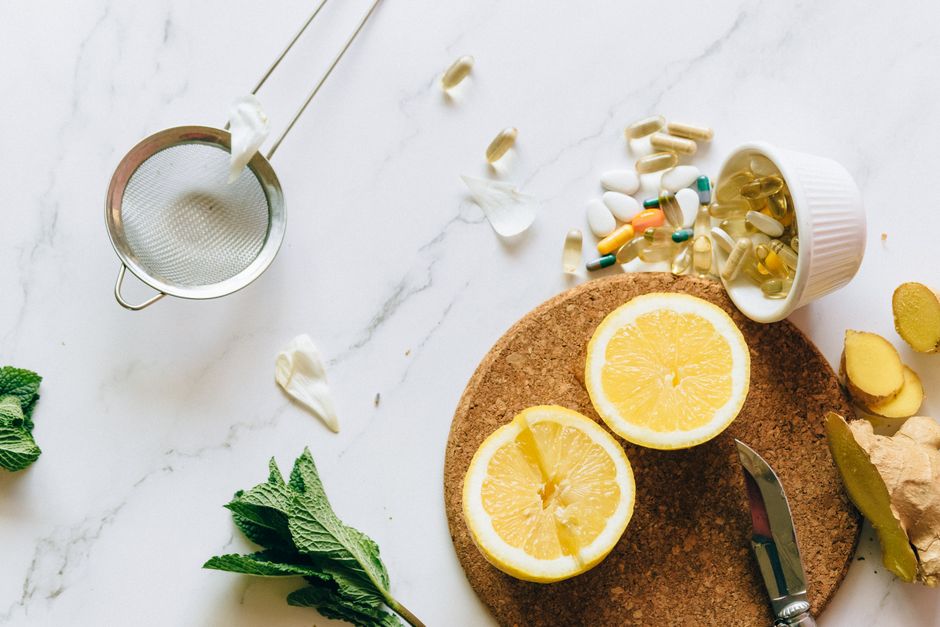
Most weight loss supplements fail because they are taken in isolation, one pill at a time, without any strategy behind them.
The best combination of supplements for weight loss is caffeine paired with green tea extract, taken alongside a protein supplement, because this trio targets both metabolism and appetite control in ways that individual supplements cannot. Research consistently shows that caffeine and green tea catechins work synergistically to increase energy expenditure, while protein helps preserve muscle and keeps you full longer during a calorie deficit.
This article breaks down that combination piece by piece, explains what the evidence actually supports, and tells you which popular supplements are not worth your money. You will also learn how to time these supplements so they work with your body, not against it.
Key Points at a Glance
| Point | What It Means | Why It Matters |
|---|---|---|
| Caffeine + Green Tea Extract | These two compounds enhance each other’s effects on calorie burning | Combined, they may boost metabolism more than either alone |
| Protein Supplement | Whey or plant-based protein powder supports muscle retention | Muscle burns more calories than fat, even at rest |
| Timing Matters | Taking these supplements at specific times improves their effects | Morning caffeine and post-workout protein are evidence-backed windows |
| No Magic Pills | Supplements only work alongside a calorie deficit | Without diet changes, no combination will produce weight loss |
Why Caffeine and Green Tea Extract Work Together
Caffeine is the most studied weight loss compound in existence. It works by blocking adenosine receptors in the brain, which reduces fatigue and slightly increases the number of calories you burn at rest. Most adults tolerate 200 to 400 mg per day, which is roughly two to four cups of coffee.
Green tea extract contains catechins, most notably epigallocatechin gallate (EGCG). Some studies suggest that EGCG inhibits an enzyme that breaks down norepinephrine, a hormone that signals fat cells to release stored fat. When you combine caffeine with EGCG, the caffeine keeps norepinephrine active longer, extending the fat-burning window.
Research published in the American Journal of Clinical Nutrition found that the combination of caffeine and green tea extract increased 24-hour energy expenditure by about 4 percent compared to placebo. That is a modest effect, but it compounds over weeks and months. I always recommend taking these together in the morning, because caffeine later in the day can disrupt sleep, and poor sleep is strongly linked to weight gain.
Practical tip: Start with one cup of coffee and one green tea extract capsule containing 300 mg of EGCG. Assess your tolerance for a week before increasing anything.
What Is the Best Combination of Supplements for Weight Loss Beyond the Basics?
Adding a protein supplement is the missing piece most people overlook. A 2017 study in the journal Obesity found that whey protein supplementation helped preserve lean muscle mass during calorie restriction, which matters because muscle loss slows your metabolism over time. Aim for 20 to 30 grams of protein powder mixed with water or milk after a workout or as a mid-morning snack.
Fiber supplements are the second addition worth considering. Psyllium husk or glucomannan expands in your stomach and delays gastric emptying, which helps you feel full on fewer calories. A review in the Journal of the American College of Nutrition found that glucomannan produced modest but consistent weight loss in overweight adults over 8 weeks.
My own experience with clients is that protein makes the biggest visible difference in adherence. When people start their day with a protein shake, they report fewer cravings by mid-afternoon and are less likely to overeat at dinner. The fiber supplement is the quiet workhorse that keeps that fullness going longer.
Which Supplements Are Not Worth Your Money?
The supplement aisle is full of products with impressive marketing and weak evidence. Garcinia cambogia, raspberry ketones, and conjugated linoleic acid (CLA) all fall into this category. A 2020 review in the Journal of Obesity & Metabolic Syndrome concluded that no strong clinical evidence supports any of these for meaningful weight loss.
Fat burners that promise “thermogenic” effects beyond caffeine typically contain untested herbal blends with unknown doses. The FDA does not review supplements for safety or effectiveness before they hit the market, so you have no guarantee that what is on the label is what is in the bottle. Stick with single-ingredient products that have third-party testing seals from organizations like NSF International or USP.
One honest observation from years of writing about this topic: the people who succeed with supplements are the ones who treat them as a small edge, not a solution. If you are taking a pill that makes you feel jittery or anxious, that is not a sign it is working. That is a sign to lower the dose or stop entirely.
How Long Until You See Results from This Combination?
Do not expect overnight changes. The research on caffeine and green tea extract shows effects on metabolism within hours, but visible weight loss takes 4 to 8 weeks of consistent use alongside a calorie deficit. A reasonable expectation is 1 to 2 pounds per week, which is the rate most health organizations consider safe and sustainable.
Your body also builds tolerance to caffeine over time. Many regular coffee drinkers need increasingly higher doses to feel the same effect. If you notice the metabolic boost fading after a few weeks, consider a two-week caffeine break to reset your sensitivity before returning to your normal dose.
Track your progress with more than the scale. Measurements of your waist, how your clothes fit, and your energy levels are all better indicators of body composition changes than weight alone. I tell my readers to take weekly photos and measurements because the scale can stay flat while you are actually losing fat and gaining muscle.
Practical tip: Use our TDEE calculator to find your maintenance calories, then subtract 300 to 500 calories per day for a sustainable deficit that supports 1 to 2 pounds of weekly loss.
Related Articles
Frequently Asked Questions
Can I take caffeine and green tea extract together safely?
Yes, for most healthy adults, this combination is safe at moderate doses of 200 to 400 mg of caffeine daily. Start with the lowest dose to assess your tolerance, and avoid taking them after 2 p.m. so they do not disrupt sleep.
What is the best time of day to take weight loss supplements?
Take caffeine and green tea extract in the morning to maximize metabolism without affecting sleep. Take protein powder within two hours after exercise or as a mid-morning snack to support muscle retention.
Do I need supplements if I already eat a healthy diet?
No, supplements are optional even in a healthy diet, but they can provide a small metabolic edge. The evidence only supports their use alongside a calorie deficit, never as a replacement for good nutrition.
Are there any side effects from this supplement combination?
Caffeine can cause jitters, anxiety, or digestive upset in sensitive individuals, and green tea extract may cause mild nausea on an empty stomach. Reduce your dose or take them with food if you experience any of these effects.
How much protein should I take daily for weight loss?
Most research suggests 1.6 to 2.2 grams of protein per kilogram of body weight per day for weight loss. A single 20 to 30 gram protein shake can help you reach that target without adding excessive calories.
Can this supplement combination work without exercise?
Yes, the metabolic effects of caffeine and green tea extract occur even without exercise, and protein helps with fullness. However, adding resistance training will produce faster and more visible results by preserving muscle mass.

The TDEECAL Team writes about nutrition, metabolism, and fat loss the way we built our calculator, with real numbers and no hype. We dig into the research so you don’t have to guess.