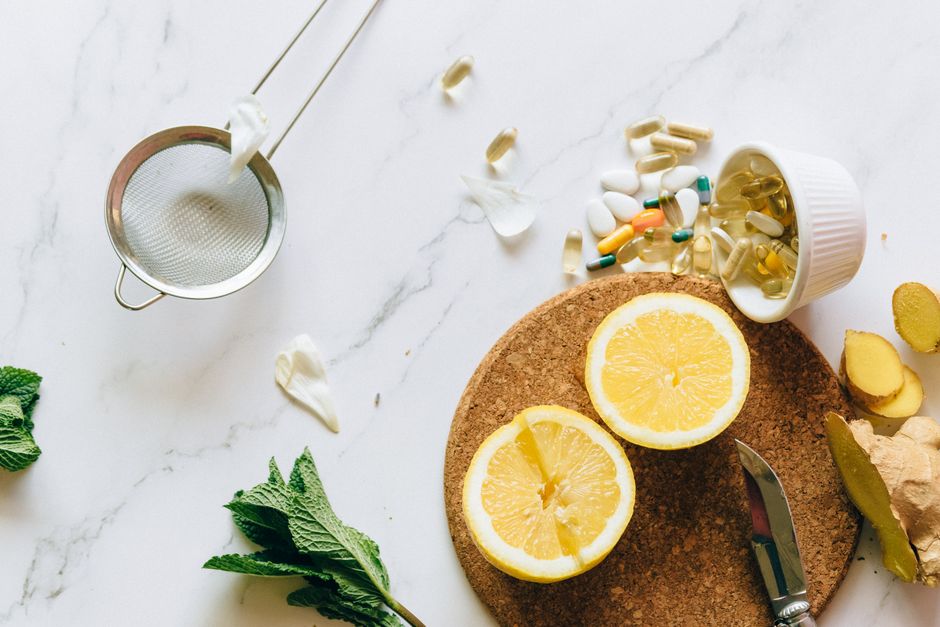
Which Supplements to Take for Weight Loss: What the Evidence Shows
The supplement aisle is overwhelming, and most products there won’t help you lose a single pound. The honest answer is that no pill replaces the work of eating well and moving more. But a few supplements have real research behind them, and knowing which supplements to take for weight loss can save you money and frustration.
For most women, the supplements worth considering are vitamin D, magnesium, and a quality fiber supplement like psyllium husk. Protein powder also earns its place because it helps you feel full and preserves muscle while you cut calories. These four have consistent evidence for supporting weight loss efforts, unlike fat burners and metabolism boosters that rarely live up to their claims.
The weight loss supplement market is worth billions, and most of it relies on hype rather than science. This article cuts through that noise with a practical look at what works, what doesn’t, and how to choose wisely. You’ll learn exactly which supplements to take for weight loss based on current evidence, not marketing.
Key Points at a Glance
| Supplement | What It Does | Why It Matters |
|---|---|---|
| Vitamin D | Supports metabolism and hormone function | Low levels are linked to harder weight loss |
| Magnesium | Helps with sleep and blood sugar control | Poor sleep makes weight loss harder |
| Psyllium fiber | Increases fullness and reduces calorie intake | Most women get far too little fiber |
| Protein powder | Boosts protein intake and preserves muscle | Protein is the most filling nutrient |
| Caffeine | Slightly increases metabolism and fat burning | Modest effect, but real for some people |
Vitamin D: The Deficiency That Sabotages Weight Loss
Research consistently shows that people with low vitamin D levels tend to carry more body fat. Some studies suggest that correcting a deficiency may make weight loss efforts more effective, though the exact mechanism is still being studied.
The issue is that vitamin D deficiency is extremely common, especially in northern climates and during winter months. A simple blood test can tell you where you stand, and your doctor can recommend an appropriate dose if you’re low.
I always check my own vitamin D levels in late winter. It’s a small step that pays off in energy and mood, which makes staying active easier.
Magnesium: The Sleep and Stress Connection
Magnesium plays a role in over 300 bodily processes, including blood sugar regulation and sleep quality. Both matter for weight loss because poor sleep increases hunger hormones and cravings.
Many women are mildly deficient in magnesium without knowing it. Signs can include trouble sleeping, muscle cramps, and afternoon fatigue. Some research suggests magnesium supplementation may improve sleep quality, especially in older adults.
A typical dose for supplementation is 200 to 400 milligrams daily, but it’s best to start lower and increase gradually. Magnesium glycinate and citrate are well-absorbed forms that are gentle on the stomach.
I take magnesium glycinate about an hour before bed. The difference in my sleep quality was noticeable within two weeks.
Fiber Supplements: The Fullness Hack Most Women Skip
Fiber is the closest thing to a weight loss supplement that actually works. It adds bulk to your meals, slows digestion, and keeps you feeling full for hours after eating.
Psyllium husk is the most studied fiber supplement for weight management. Research shows it can reduce appetite and help with blood sugar control. A typical dose is one to two teaspoons mixed with water before meals.
The average American woman gets about 15 grams of fiber daily, but recommendations suggest 25 to 30 grams. A fiber supplement can help close that gap, though whole food sources like vegetables and beans remain the gold standard.
I mix a teaspoon of psyllium into my morning smoothie. It adds a slightly thick texture, but the fullness it provides through mid-morning is worth it.
Protein Powder: The Muscle-Preserving Tool
Protein is the most filling macronutrient, and getting enough is critical when you’re eating fewer calories. Protein powder makes it easy to hit your daily target without cooking extra meals.
Some studies indicate that higher protein intake helps preserve lean muscle during weight loss. That matters because muscle burns more calories than fat, even at rest.
Whey protein is the most studied and absorbs quickly. Plant-based options like pea protein are also effective for those avoiding dairy. A typical serving provides 20 to 25 grams of protein for roughly 100 to 150 calories.
I keep a tub of unflavored pea protein in my pantry. It dissolves well in cold water and doesn’t overpower the taste of my smoothies.
Which Supplements to Take for Weight Loss: What to Avoid
The supplement market is full of products that promise fast results but deliver little. Green tea extract, garcinia cambogia, and raspberry ketones are among the most heavily marketed, yet strong clinical evidence for their effectiveness is limited.
Some weight loss supplements contain stimulants that can raise heart rate and blood pressure. Others interact with prescription medications in dangerous ways. The FDA does not review supplements for safety or effectiveness before they reach store shelves.
A red flag is any product that promises dramatic weight loss without diet changes. Legitimate supplements support your efforts; they don’t replace them.
I learned this lesson the hard way after spending money on a popular fat burner that did nothing but make me jittery. The basics work better and cost less.
Frequently Asked Questions
Related Articles
Can supplements alone cause weight loss?
No supplement causes meaningful weight loss on its own. Supplements work best alongside a calorie-controlled diet and regular physical activity.
How long before I see results from supplements?
Most supplements take four to eight weeks of consistent use to show any noticeable effect. If you see no change after three months, that supplement likely isn’t helping you.
Are weight loss supplements safe?
Some are safe, but many contain stimulants or untested ingredients that can cause side effects. Always check with your doctor before starting any new supplement.
Do I need a multivitamin while dieting?
A basic multivitamin can fill nutritional gaps when you’re eating fewer calories. It’s not a weight loss tool, but it supports overall health during a diet.
What’s the best time of day to take supplements?
Fat-soluble vitamins like vitamin D are best taken with a meal containing fat. Fiber works well before meals, and magnesium is most effective in the evening.
Can I get these nutrients from food instead?
Yes, whole foods are always the preferred source of nutrients. Supplements fill gaps but don’t replace a varied diet rich in vegetables, protein, and healthy fats.
For a personalized look at your calorie needs, use our TDEE Calculator to find your maintenance calories and create a sensible deficit.

The TDEECAL Team writes about nutrition, metabolism, and fat loss the way we built our calculator, with real numbers and no hype. We dig into the research so you don’t have to guess.