Which Cheese is Good for Weight Loss? The Real Answer
Most people assume cheese is off-limits during weight loss. That assumption is wrong, but it comes from a real place. Many cheeses are calorie-dense, and it is easy to overeat them.
The direct answer is that which cheese is good for weight loss depends mostly on protein-to-calorie ratio and portion control. Lower-calorie, higher-protein options like cottage cheese, part-skim mozzarella, and feta fit into a weight loss plan more easily than dense varieties like cheddar or brie. No cheese causes weight gain on its own. The total calories you consume versus what you burn still decides the outcome.
This article covers the specific cheeses that give you the most protein for the fewest calories. It also explains how to eat cheese without derailing your progress. Most diet advice tells you to cut cheese out completely. That advice usually backfires because deprivation leads to overeating later.
Key Points at a Glance
| Point | What It Means | Why It Matters |
|---|---|---|
| Protein density | Cheeses with more protein per calorie keep you fuller longer | Helps you eat less overall without feeling deprived |
| Calorie range | Cheeses range from roughly 60 to 120 calories per ounce | Choosing lower-calorie options creates more room in your daily budget |
| Sodium content | Some cheeses are very high in sodium | High sodium can cause water retention and temporary scale jumps |
| Portion control | One ounce is about the size of two dice | Most people underestimate portions by two to three times |
| Satiety factor | Protein and fat together slow digestion | Cheese can reduce snacking later in the day |
What Makes a Cheese Better for Weight Loss?
The math is simple. You want the most protein and satiety for the fewest calories. Cottage cheese leads the pack with roughly 90 calories and 12 grams of protein per half-cup. Part-skim mozzarella offers about 72 calories and 7 grams of protein per ounce. Feta sits around 75 calories per ounce with 4 grams of protein.
Aged cheeses like cheddar and parmesan are not bad choices. They just pack more calories per ounce, usually 110 to 120. That means smaller portions for the same calorie cost. I always tell people to check the label rather than guess. The difference between “reduced fat” and “part skim” matters more than most brands let on.
The fat content affects fullness too. Full-fat cheese can be more satisfying in smaller amounts. Some research suggests full-fat dairy may be linked to lower obesity risk compared to reduced-fat versions. The evidence is mixed, but the takeaway is simple. Choose the cheese you will actually portion properly.
Which Cheese is Good for Weight Loss? The Top Picks
Cottage cheese is the clear winner for weight loss. It is low in calories, high in protein, and versatile. You can eat it savory with black pepper or sweet with berries. The texture puts some people off, but blending it makes a creamy base for dips and sauces.
Part-skim mozzarella is the best choice for melting. String cheese sticks make portion control effortless at roughly 80 calories each. This makes it one of the easiest answers to which cheese is good for weight loss when you need something portable.
Feta brings strong flavor in small amounts. A little goes a long way on salads or roasted vegetables. Goat cheese works similarly with a tangy profile that satisfies cravings quickly.
Swiss cheese offers moderate calories around 100 per ounce with a nutty flavor. It melts well and works in sandwiches. Ricotta, especially part-skim, provides creamy texture with decent protein. Use it in place of heavier creams in pasta dishes.
How Much Cheese Can You Eat While Losing Weight?
There is no single number that works for everyone. Your calorie target depends on your age, activity level, and current weight. A useful starting point is to keep cheese portions to one to two ounces per day. That provides the flavor and protein without eating up your entire calorie budget.
The bigger issue is how you eat cheese. Melting it over everything adds calories you may not track. A sprinkle of parmesan on pasta adds up fast. Grated cheese is especially dangerous because it is easy to add more than you realize.
Pair cheese with high-volume foods. Apple slices with cheddar, cucumber with feta, or celery with cottage cheese stretch your portions. This keeps you full while keeping calories reasonable. One study suggested that eating cheese with vegetables increased vegetable consumption overall. That is the kind of trade that helps weight loss stick.
Does Cheese Cause Weight Gain?
No single food causes weight gain. Weight gain happens when you consistently eat more calories than you burn. Cheese is calorie-dense, so it is easier to overeat than vegetables or lean protein. But that is a portion problem, not a cheese problem.
Some observational studies have found that dairy consumption is associated with lower body weight. Other research shows no significant effect either way. The evidence does not support the idea that cheese itself causes weight gain. It supports the simple truth that calories matter.
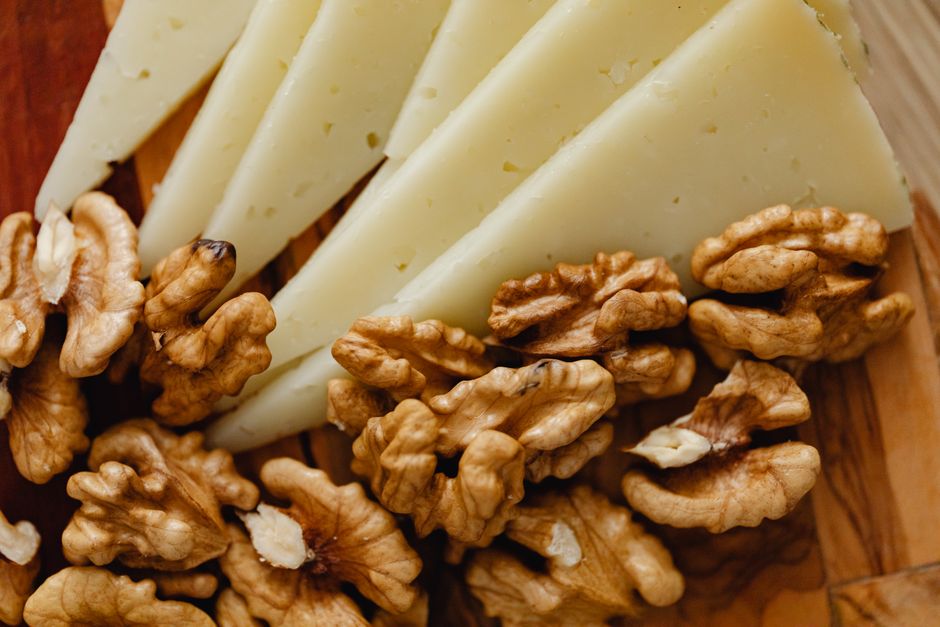
The real trap is the “cheese board” scenario. A few cubes here, a cracker there, and suddenly you have eaten 500 calories without noticing. If you pre-portion your cheese, this problem disappears. Keep the bag in the fridge, not on the table.
Frequently Asked Questions
Related Articles
Is cheese good for weight loss or weight gain?
Cheese can fit into a weight loss plan when portions are controlled. It is calorie-dense, so eating it mindlessly leads to weight gain.
What is the lowest calorie cheese?
Cottage cheese is the lowest calorie option at roughly 90 calories per half-cup. Part-skim mozzarella is close at about 70 calories per ounce.
Can I eat cheese every day and still lose weight?
Yes, as long as you stay within your total daily calorie target. One to two ounces per day works for most people.
Is cheddar or mozzarella better for weight loss?
Mozzarella is better because it has fewer calories per ounce. Cheddar provides more flavor but costs about 40 extra calories per ounce.
Does eating cheese at night cause weight gain?
No, the time of day does not affect weight gain. Total calories across the whole day determine whether you lose or gain.
What cheese is best for high protein and low calories?
Cottage cheese offers the best protein-to-calorie ratio. Part-skim mozzarella and Swiss cheese are solid alternatives.
If you are tracking calories, use our TDEE Calculator to find your maintenance number. Subtract 300 to 500 calories from that for a sustainable weight loss target. Then fit cheese into that number without guilt.

The TDEECAL Team writes about nutrition, metabolism, and fat loss the way we built our calculator, with real numbers and no hype. We dig into the research so you don’t have to guess.