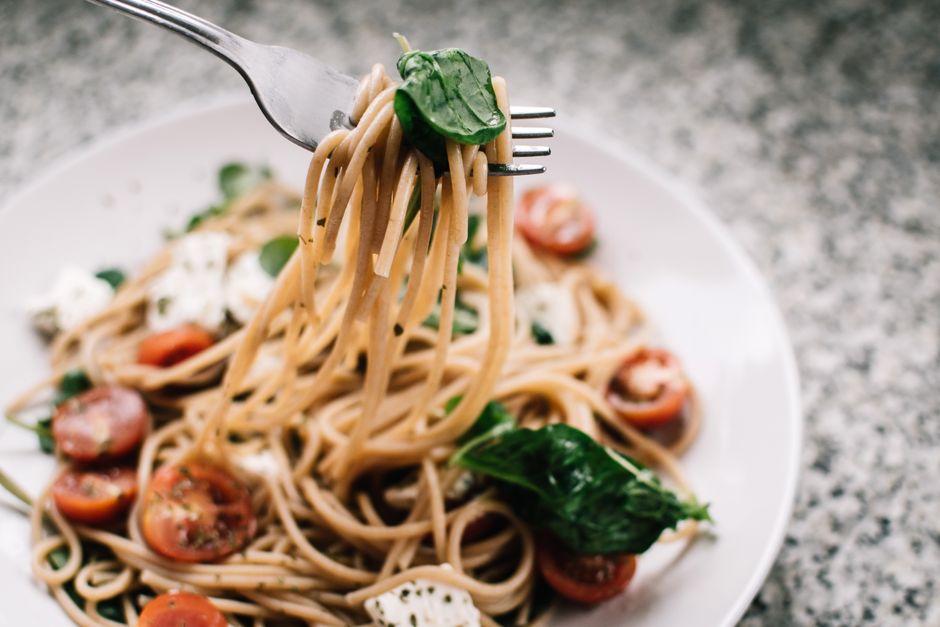
Can I Eat Spaghetti for Weight Loss?
Pasta night doesn’t have to derail your progress. The truth is, your body doesn’t see spaghetti as a “bad” food — it sees calories, protein, and fiber. The real question isn’t whether you can eat it, but how you build your plate around it.
Yes, you can eat spaghetti for weight loss as long as you control portions, choose a fiber-rich pasta, and balance it with lean protein and vegetables. A typical serving of cooked spaghetti contains roughly 200 calories per cup, which fits comfortably into most weight loss meal plans. The key is treating pasta as one part of the meal rather than the entire meal.
Most weight loss advice makes you choose between “clean eating” and the foods you actually enjoy. That’s a false choice, and it’s why so many diets fail within weeks. This article covers the specific portions, pasta types, and meal structures that let you keep spaghetti on the menu while still losing weight.
You’ll also learn which pasta sauces add hidden calories and how to build a bowl that keeps you full for hours. No food is off-limits when you understand the math behind your plate.
Key Points at a Glance
| Point | What It Means | Why It Matters |
|---|---|---|
| Portion size | 1 cup cooked pasta per meal | Keeps calories around 200 without leaving you hungry |
| Protein first | Add chicken, shrimp, or lean beef | Protein keeps you full and preserves muscle during weight loss |
| Vegetable volume | Fill half your bowl with veggies | Adds fiber and bulk for very few calories |
| Sauce selection | Choose tomato-based over creamy | Cream sauces can double the calorie count of your meal |
| Pasta type | Whole wheat or legume-based options | More fiber means slower digestion and steadier blood sugar |
How Many Calories Are in a Serving of Spaghetti?
A single cup of cooked white spaghetti contains about 200 calories, 7 grams of protein, and less than 1 gram of fiber. That same cup of whole wheat spaghetti bumps fiber up to about 4 grams while staying in the same calorie range. Legume-based pastas like chickpea or lentil varieties deliver 10 to 13 grams of protein per serving.
The calories add up fast when you double the portion. Many restaurant plates hold 3 to 4 cups of pasta, which means 600 to 800 calories before sauce even touches the bowl. At home, measure your pasta once with a measuring cup so you can recognize the correct portion by eye.
I always cook my pasta slightly under the package time and let it finish in the sauce. It absorbs less water, keeps a firmer texture, and makes the meal feel more substantial.
Can I Eat Spaghetti for Weight Loss Without Giving Up Flavor?
Yes, and the trick is building the bowl strategically rather than eliminating foods you enjoy. Start with one cup of cooked pasta, then add a generous portion of protein — about 4 to 6 ounces of chicken, shrimp, or lean ground turkey. Fill the remaining half of your bowl with roasted or sautéed vegetables like zucchini, bell peppers, and spinach.
This structure keeps the meal satisfying while cutting the overall calorie density. A pasta bowl built this way typically lands between 450 and 550 calories, which fits into most weight loss plans without leaving you hungry an hour later.
The sauce matters more than most people realize. A half-cup of marinara adds about 70 calories, while the same amount of alfredo can add 300 or more. I recommend keeping creamy sauces for occasional meals and making tomato-based sauces your regular choice.
Try swapping half your pasta for spiralized zucchini or steamed broccoli. You keep the spaghetti texture and flavor while cutting roughly 100 calories from the bowl.
Does Pasta Type Matter for Weight Loss?
Research consistently shows that higher-fiber carbohydrates support weight management better than refined versions. Fiber slows digestion, keeps blood sugar steadier, and helps you feel full with fewer calories. Whole wheat spaghetti delivers about four times the fiber of white pasta for the same calorie count.
Legume-based pastas go further by adding significant protein. A serving of chickpea pasta provides around 13 grams of protein and 8 grams of fiber, which makes it noticeably more filling than traditional pasta. The trade-off is a slightly different texture and taste that some people need time to adjust to.
Some studies suggest that cooling cooked pasta overnight increases its resistant starch content. That means leftovers might have a slightly lower impact on blood sugar than freshly cooked pasta. Reheating leftover spaghetti for lunch is a practical way to get this benefit without any extra effort.
What Is the Best Way to Eat Spaghetti for Weight Loss?
The most effective approach combines portion control with meal structure. Begin with a salad or vegetable-based appetizer so you’re partially full before the pasta arrives. Then serve yourself one cup of pasta with protein and vegetables, and resist going back for seconds until you’ve waited 15 minutes.
Eating slowly matters more than most people think. It takes about 20 minutes for your brain to register fullness, so finishing a bowl in 10 minutes often leads to overeating. Put your fork down between bites and pay attention to your hunger level halfway through the meal.
Meal prep makes this sustainable. Cook a batch of whole wheat or chickpea pasta on Sunday, portion it into single-serving containers, and pair it with pre-cooked protein and roasted vegetables. A ready-to-assemble pasta bowl in the fridge beats a drive-thru decision every time.
Use a food scale once to weigh your cooked pasta portion. One cup of cooked spaghetti weighs about 140 grams — knowing this number makes eyeballing portions much easier later.
Frequently Asked Questions
Related Articles
Can I eat spaghetti for weight loss every day?
Yes, as long as your portions stay controlled and the rest of your meals are balanced. Daily pasta can fit into a calorie deficit without slowing your progress.
Is whole wheat spaghetti better than white for weight loss?
Whole wheat spaghetti has more fiber, which helps you feel full longer, but the calorie difference is minimal. Choose whole wheat for satiety, but white pasta works fine in controlled portions.
How much spaghetti can I eat and still lose weight?
One cup of cooked pasta per meal is a reasonable starting point for most women in a calorie deficit. Adjust based on your total daily calorie target and hunger levels.
Does eating spaghetti at night cause weight gain?
No, eating pasta at night does not cause weight gain by itself. Weight change depends on your total daily calories, not the time of day you eat them.
What is the healthiest sauce for spaghetti when losing weight?
Tomato-based marinara sauces are the lowest in calories and add vegetables to your meal. Cream-based sauces like alfredo can add 200 to 300 extra calories per serving.
Can I eat spaghetti the night before a weigh-in?
You can, but pasta’s carbohydrate content may cause temporary water retention that shows on the scale. This is not fat gain and will resolve within a day or two.
Spaghetti can absolutely be part of a weight loss plan when you control portions and balance your plate. Use a TDEE calculator to find your maintenance calories, then build a modest deficit around meals you actually enjoy. The best diet is the one you can stick with long enough to see results.

The TDEECAL Team writes about nutrition, metabolism, and fat loss the way we built our calculator, with real numbers and no hype. We dig into the research so you don’t have to guess.