Which Oats to Use for Weight Loss
The oat aisle can feel overwhelming with steel-cut, rolled, instant, and everything in between. The good news is that the differences matter less than you might think, but they do matter for weight loss.
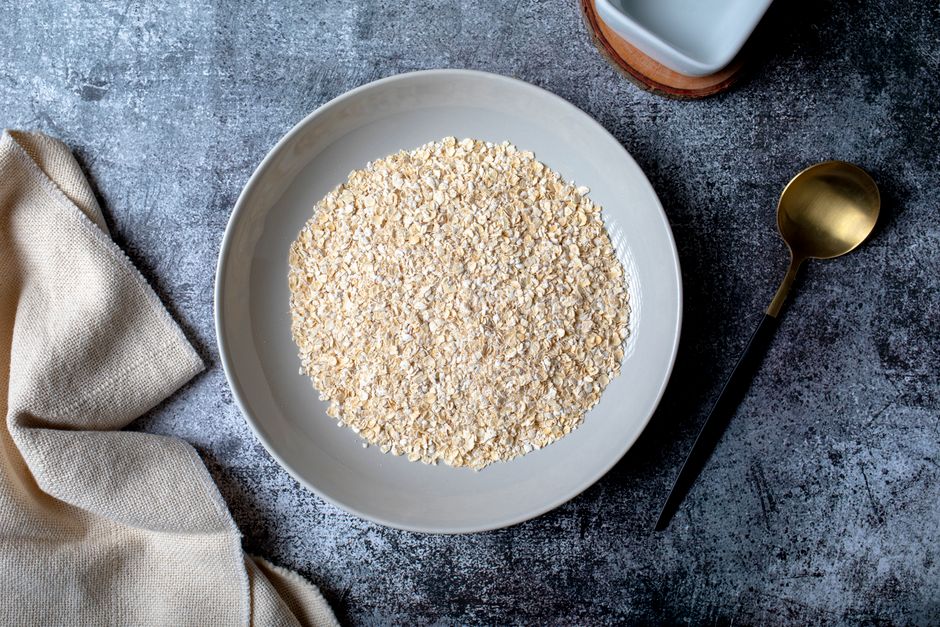
When deciding which oats to use for weight loss, the best choice is plain rolled oats or steel-cut oats without added sugar or flavoring. Both are minimally processed, high in fiber, and keep you full longer than instant oat packets loaded with sugar. The key is choosing the plainest option and controlling your portion size.
Most articles focus on glycemic index or processing methods, but they miss the real issue. The biggest problem with oats and weight loss isn’t the type of oat—it’s everything you add to it. Brown sugar, honey, dried fruit, and flavored creamers can turn a healthy breakfast into a calorie bomb.
This guide covers which oats actually help with weight management, how to prepare them so they keep you satisfied, and the portion sizes that work. You’ll also learn why the “instant vs. steel-cut” debate is less important than most people think.
Key Points at a Glance
| Point | What It Means | Why It Matters |
|---|---|---|
| Plain beats flavored | Unflavored oats have no added sugar | Flavored packets can have 12+ grams of sugar |
| Rolled or steel-cut | Both are minimally processed options | They digest slower and keep you full longer |
| Portion control | Half a cup of dry oats is one serving | Oats are calorie-dense; eyeballing portions adds calories |
| Protein matters | Add protein to your bowl | Protein increases fullness more than carbs alone |
| Instant isn’t automatically bad | Plain instant oats are still whole grain | The issue is additives, not processing speed |
What Makes Oats Good for Weight Loss?
Oats contain a specific type of soluble fiber called beta-glucan. Research consistently shows that beta-glucan slows digestion and helps you feel full after eating. That fullness translates to fewer calories consumed later in the day.
One half-cup serving of dry rolled oats contains roughly 150 calories and about 4 grams of fiber. Steel-cut oats have nearly identical nutrition. The difference between them is mostly texture and cooking time, not calorie content or weight loss benefit.
I always keep both rolled and steel-cut in my pantry. On busy mornings, rolled oats cook in five minutes. On weekends, I let steel-cut oats simmer while I make coffee. Both work—the routine is what keeps you consistent.
Which Oats to Use for Weight Loss: The Real Answer
Plain rolled oats are the most practical choice for most people trying to lose weight. They cook quickly, are widely available, and have a neutral taste that works with both sweet and savory toppings. Steel-cut oats are equally good if you prefer a chewier texture and have time to cook them.
Instant oats get a bad reputation, but plain instant oats are still 100% whole grain. The problem is the flavored varieties. A single packet of maple-brown-sugar instant oats can contain 12 grams of added sugar. That’s half the American Heart Association’s recommended daily limit for women in one small bowl.
The evidence is clear: processing alone doesn’t sabotage weight loss. What sabotages weight loss is added sugar and oversized portions. If you choose instant oats, buy the plain variety and add your own toppings in controlled amounts.
Practical tip: Read the ingredient list. If sugar appears before oats, put it back on the shelf. The first ingredient should always be whole grain oats.
How Should You Prepare Oats for Weight Loss?
The way you build your bowl matters more than the oat type. Start with a half-cup of dry oats, which cooks to about one cup. Then add protein—Greek yogurt, cottage cheese, or a scoop of protein powder—to boost fullness without adding many calories.
Research suggests that protein at breakfast reduces hunger hormones for hours afterward. A bowl with 15 to 20 grams of protein will keep you satisfied far longer than plain oats with fruit. I add a scoop of vanilla protein powder and a handful of frozen berries to my morning bowl. It tastes like dessert but keeps me full until lunch.
Fats also help with satiety, but they’re calorie-dense. A tablespoon of nut butter or a sprinkle of chia seeds adds healthy fats without blowing your calorie budget. Avoid pouring cream or whole milk into your oats; use water or unsweetened almond milk instead.
What Portion Size Actually Works for Weight Loss?
One serving of dry oats is half a cup, which is about 150 calories for rolled oats. Many people pour double that without measuring. If you’re tracking calories, use a food scale or measuring cup at least for the first few weeks until you can eyeball the portion correctly.
For most women in the 35-65 age range, a breakfast of oats should land between 300 and 400 calories total. That includes your oats, protein, and toppings. This range keeps you satisfied without putting you over your daily calorie target.
If you’re not sure what your daily calorie target should be, use a TDEE calculator to find your maintenance calories. Subtract 300 to 500 calories from that number for weight loss. Your oat breakfast should fit within that daily budget.
Does Oat Type Affect Blood Sugar and Cravings?
Steel-cut and rolled oats have a lower glycemic index than instant oats. That means they raise blood sugar more slowly, which may reduce mid-morning cravings. However, the difference is modest and doesn’t override the importance of portion control.
Some studies suggest that slower-digesting carbs help with appetite regulation. But the evidence is mixed on whether this translates to meaningful weight loss differences over time. The bigger factor is total calories and protein content.
If you have prediabetes or type 2 diabetes, choosing steel-cut or rolled oats over instant is a reasonable choice. But don’t let perfectionism derail you. If plain instant oats are what you’ll actually eat, that’s better than skipping breakfast entirely.
Frequently Asked Questions
Related Articles
Are steel-cut oats better than rolled oats for weight loss?
Both are excellent choices with nearly identical calories and fiber. Steel-cut oats have a slightly lower glycemic index, but the difference is small.
Can I eat instant oats while trying to lose weight?
Yes, but only plain instant oats without added sugar or flavoring. Flavored packets often contain 12 grams or more of added sugar per serving.
How many calories are in a serving of oats?
Half a cup of dry rolled oats contains roughly 150 calories. Steel-cut oats are similar at about 150 calories per quarter-cup dry measure.
What should I add to oats to make them more filling?
Add a protein source like Greek yogurt, cottage cheese, or protein powder. Aim for 15 to 20 grams of protein per bowl for lasting fullness.
Is oatmeal good for weight loss every day?
Daily oatmeal can support weight loss if portions are controlled and toppings are low in sugar. Variety in your diet is still important for nutrient diversity.
Should I avoid oats if I have diabetes?
Oats are generally a good choice for diabetes because of their fiber content. Choose steel-cut or rolled oats and pair them with protein to blunt blood sugar spikes.
Check your daily calorie needs with our TDEE Calculator to make sure your oat breakfast fits your weight loss plan.

The TDEECAL Team writes about nutrition, metabolism, and fat loss the way we built our calculator, with real numbers and no hype. We dig into the research so you don’t have to guess.