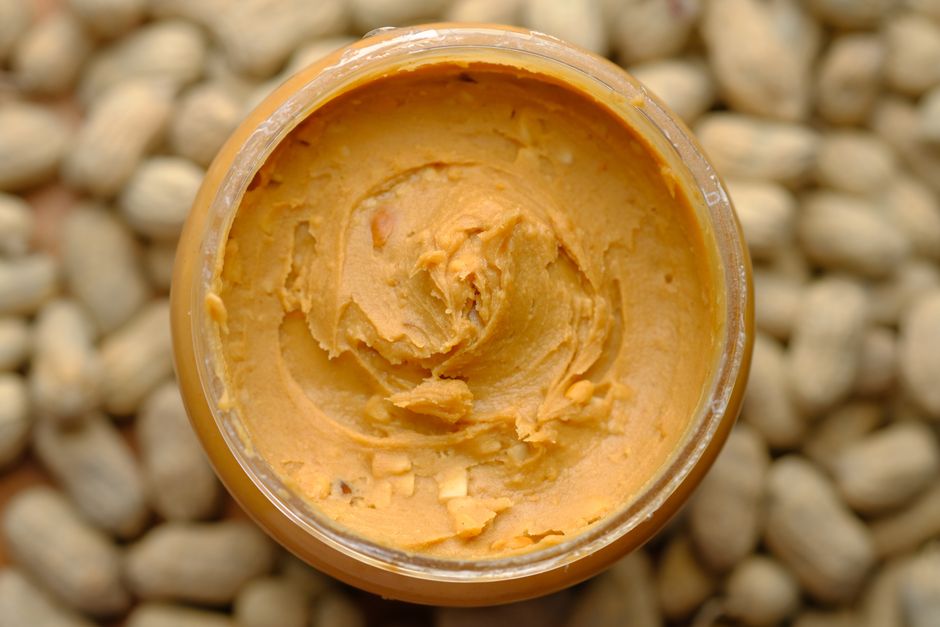
Most peanut butter jars in the grocery store are more candy than food, with added sugar and hydrogenated oils that quietly undo your weight loss efforts. Natural peanut butter flips that script, offering a simple ingredient list that works with your goals rather than against them.
Yes, is natural peanut butter good for weight loss — it can be, when eaten in the right portions. Natural peanut butter delivers protein, healthy fats, and fiber that keep you full for hours, which naturally reduces your total calorie intake later in the day. The key is portion control, since peanut butter is calorie-dense at roughly 180 to 200 calories per two-tablespoon serving. It works best as a tool for satiety, not as an unlimited snack.
Most articles on this topic either demonize peanut butter entirely or tell you to eat it freely. Both approaches miss the real picture. This guide breaks down what the evidence actually says, how to choose the right jar, and how to fit it into a calorie deficit without derailing your progress.
Key Points at a Glance
| Point | What It Means | Why It Matters |
|---|---|---|
| Calorie density | Two tablespoons contain roughly 180–200 calories | Easy to overeat if you’re not measuring |
| Satiety power | Protein, fat, and fiber slow digestion | Helps you eat less overall throughout the day |
| Ingredient list | Natural versions have just peanuts and maybe salt | No added sugar or hydrogenated oils to sabotage you |
| Glycemic impact | Very low sugar, especially compared to regular peanut butter | Steadier blood sugar means fewer cravings |
| Portion strategy | Weigh or measure every serving | Turns a potential problem into a reliable weight loss tool |
What Makes Natural Peanut Butter Different From Regular
Regular peanut butter often contains added sugar, palm oil, and hydrogenated vegetable oils to keep it smooth and shelf-stable. Those additions add empty calories and can raise unhealthy saturated fat levels. Natural peanut butter contains just peanuts, sometimes with a little salt, which means you get the nutritional benefits without the fillers.
The fat in natural peanut butter is mostly monounsaturated, the same type found in olive oil. Some studies suggest this fat profile supports heart health, though the evidence for weight loss specifically comes down to satiety rather than any fat-burning effect. I always keep a jar in my pantry, but I use a food scale — a quick weigh beats eyeballing a spoonful every time.
Is Natural Peanut Butter Good for Weight Loss — How It Actually Helps
Research consistently shows that protein and fiber are the two nutrients most strongly linked to feeling full after a meal. Natural peanut butter provides about 7 grams of protein and 2 to 3 grams of fiber per two-tablespoon serving. That combination slows stomach emptying and keeps hunger at bay for several hours.
One study published in the American Journal of Clinical Nutrition found that adding peanuts to a meal increased fullness and reduced subsequent food intake compared to a control meal. The effect is modest, but it compounds over weeks. A tablespoon of natural peanut butter with an apple or a slice of whole-grain toast can turn a snack that leaves you hungry into one that carries you to dinner.
How Many Calories Are in Natural Peanut Butter?
A standard two-tablespoon serving of natural peanut butter contains roughly 180 to 200 calories, depending on the brand and whether it’s made with added oil. That’s about 90 to 100 calories per tablespoon. The exact number varies slightly, so checking the label on your specific jar is the most accurate approach.
For weight loss, the math is straightforward. You need a calorie deficit, and peanut butter can fit into that deficit as long as you account for it. The trouble starts when portions creep up — eating straight from the jar can easily add 400 to 600 calories before you realize it. Pre-portioning into small containers or using single-serving packets removes the guesswork.
How to Choose the Best Natural Peanut Butter
Look for a jar with one ingredient: peanuts. Some brands add salt, which is fine in moderation, but avoid anything with sugar, palm oil, or hydrogenated oils in the ingredient list. The oil separation you see on top of natural peanut butter is normal — stirring it back in takes about a minute and doesn’t affect quality.
The “natural” label itself isn’t regulated, so reading the ingredient list matters more than trusting the front of the jar. Some brands labeled natural still contain added sugar and oils. If peanuts aren’t the first and only ingredient, put it back on the shelf.
Common Mistakes That Sabotage Weight Loss With Peanut Butter
The biggest mistake is eating peanut butter straight from the jar, which makes portion tracking nearly impossible. The second is pairing it with high-calorie additions like jelly, honey, or white bread, which can turn a sensible snack into a 500-calorie affair. The third is choosing “reduced-fat” peanut butter, which often replaces healthy fats with added sugar to maintain texture.
Stick to simple pairings that add nutritional value. Apple slices, celery, plain Greek yogurt, or whole-grain crackers all work well. These combinations keep total calories reasonable while preserving the satiety benefit that makes natural peanut butter useful in the first place.
How Much Natural Peanut Butter Should You Eat Per Day?
There’s no official daily recommendation for peanut butter, so the right amount depends on your total calorie target. A reasonable starting point is one to two tablespoons per day as part of a balanced diet. That provides meaningful satiety without blowing your calorie budget.
If you’re using a calorie tracking app, log the peanut butter just like anything else. The key is consistency — a daily serving that fits your numbers works better than occasional binges. No clinical guideline exists for a specific peanut butter dose, so listening to your hunger and tracking your intake is the most reliable approach.
Frequently Asked Questions
Related Articles
Is natural peanut butter good for weight loss compared to regular peanut butter?
Yes, natural peanut butter is better because it has no added sugar or hydrogenated oils. Both have similar calories, but the natural version offers more nutritional value per serving.
Can I eat natural peanut butter every day while trying to lose weight?
Yes, you can eat it daily if you stay within your calorie target. A one to two tablespoon serving fits easily into most weight loss plans.
Does natural peanut butter need to be refrigerated?
Refrigeration extends shelf life and prevents the oils from going rancid. It’s not strictly necessary, but it keeps the texture and taste better for longer.
Will peanut butter make me gain weight?
Only if you eat more calories than your body burns. Peanut butter is calorie-dense, so overeating it can cause weight gain, but controlled portions support weight loss.
Is it better to buy crunchy or smooth natural peanut butter?
Both are nutritionally similar, so choose based on preference. Crunchy versions sometimes have slightly more fiber from peanut pieces.
Can I eat natural peanut butter at night for weight loss?
Yes, eating it at night is fine as long as it fits your daily calorie budget. There’s no evidence that timing your peanut butter intake affects weight loss outcomes.
Natural peanut butter is a reliable tool for weight loss when you treat it as a measured ingredient rather than an endless snack. Choose a jar with only peanuts, portion it carefully, and pair it with whole foods like fruit or vegetables. For a personalized calorie target that tells you exactly how much peanut butter fits your plan, try our TDEE Calculator — it takes less than a minute and gives you a number you can build your meals around.

The TDEECAL Team writes about nutrition, metabolism, and fat loss the way we built our calculator, with real numbers and no hype. We dig into the research so you don’t have to guess.