Key Points at a Glance
| Point | What It Means | Why It Matters |
|---|---|---|
| Guava tops the list | Roughly 4 grams of protein per cup | Highest protein fruit per serving |
| Protein is modest | Most fruits offer 1–2 grams per serving | Fruit alone won’t meet protein needs |
| Fiber does heavy lifting | Fruit provides 3–5 grams of fiber per serving | Fiber drives fullness and appetite control |
| Pairing matters | Combine fruit with yogurt, nuts, or seeds | Creates a balanced, satisfying snack |
Most people think fruit is just sugar. But the real question — what fruit has protein for weight loss — has a clear answer. Guava leads the pack with about 4 grams of protein per cup, followed by blackberries, raspberries, and passion fruit at 2 grams each. No fruit is a protein powerhouse, but the fiber in fruit does more for weight loss than the protein does. This article breaks down the best options and how to use them without overcomplicating your diet.
The confusion usually starts with social media posts that make fruit sound like a protein shake. That’s not how it works. Fruit is a carbohydrate food first, and its protein content is a bonus, not the main event. What matters for weight loss is how fruit replaces other foods in your day and how it keeps you full between meals.
Most generic advice says “eat more fruit” without explaining why or which ones matter. This guide gives you the actual numbers, the realistic expectations, and the pairing strategies that make fruit work for weight loss rather than against it.
Which Fruits Have the Most Protein?
If you’re asking what fruit has protein for weight loss, start with guava. A single cup of guava delivers roughly 4 grams of protein, which is double what most other fruits offer. Blackberries and raspberries come in second at about 2 grams per cup, and passion fruit, apricots, and kiwi round out the top tier with 1.5 to 2 grams each.
The rest of the fruit aisle sits at 1 gram or less per serving. An apple has about 0.5 grams. A banana has about 1.3 grams. Oranges land around 1.2 grams. These amounts are nutritionally real but practically small — you’d need to eat six apples to get the protein in one egg.
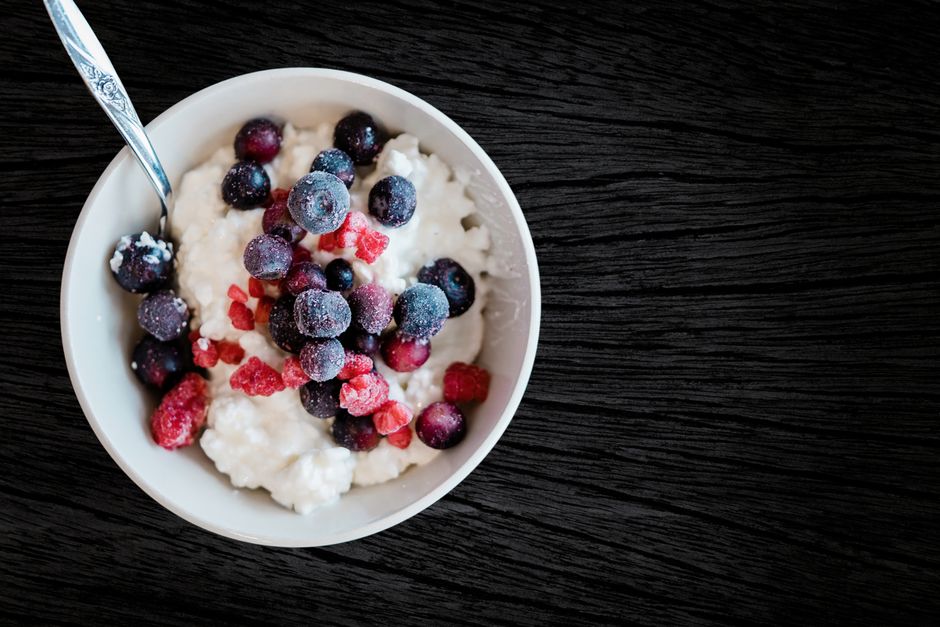
Here’s the lived-in detail I always share with clients: frozen berries are just as good as fresh for protein content. I keep a bag of frozen mixed berries in my freezer and add them to Greek yogurt for a snack that hits 20 grams of protein with minimal effort. The freezing process doesn’t change the protein or fiber content, and it’s usually cheaper.
Does Fruit Protein Actually Help With Weight Loss?
The honest answer is that fruit’s protein content is too small to drive weight loss on its own. A cup of guava gives you 4 grams of protein — the same amount in half an egg. That’s not nothing, but it’s not enough to meaningfully change your daily protein total.
What actually helps with weight loss is the combination of fiber and water in fruit. Both take up space in your stomach without adding many calories. A cup of raspberries has about 64 calories and 8 grams of fiber. That fiber slows digestion, stabilizes blood sugar, and keeps you full for hours after eating.
Some research suggests that people who eat more fruit tend to weigh less over time. But the mechanism is likely the fiber and the displacement of higher-calorie snacks, not the protein. Swapping a 200-calorie granola bar for a 100-calorie bowl of berries creates a calorie deficit without you feeling deprived.
The evidence on fruit and weight loss is consistent: fruit is associated with lower body weight, but no study shows that the protein fraction of fruit is the reason. Treat fruit’s protein as a nice bonus, not the reason to eat it.
How Much Protein Do You Need for Weight Loss?
Daily protein needs for weight loss are far higher than any fruit can provide. Most guidelines suggest 0.6 to 0.8 grams of protein per pound of body weight when you’re actively trying to lose weight. For a 160-pound woman, that’s roughly 96 to 128 grams per day.
Fruit contributes maybe 2 to 4 grams of that total. You need the rest from eggs, chicken, fish, Greek yogurt, beans, or tofu. This is why the “fruit for protein” framing gets people into trouble — they think fruit can replace real protein sources, and then they end up hungry and under-eating protein.
Your best strategy is to use fruit as a complement to protein, not a replacement. Pair an apple with peanut butter. Add berries to cottage cheese. Blend banana into a protein smoothie. This gives you the fiber and micronutrients from fruit plus the satiety from actual protein.
What Fruit Combinations Keep You Fullest?
The best fruit combinations for weight loss pair fruit with a protein or fat source. This slows digestion even further and keeps blood sugar steady. A plain apple will spike your blood sugar and leave you hungry in an hour. An apple with two tablespoons of peanut butter keeps you satisfied for three hours.
Here are the combinations that actually work in real life:
- Berries with plain Greek yogurt — about 20 grams of protein total
- Apple slices with almond butter — about 8 grams of protein
- Banana with a handful of walnuts — about 6 grams of protein
- Peach with cottage cheese — about 14 grams of protein
- Kiwi with a boiled egg — about 8 grams of protein
My personal favorite is a bowl of raspberries with a scoop of vanilla protein powder stirred into plain yogurt. It tastes like a dessert but has the macros of a proper meal. The berries add natural sweetness, so I don’t miss the added sugar.
Portion control still matters. Fruit is low in calories, but it’s not free. A cup of grapes has about 100 calories, and it’s easy to eat three cups without noticing. Measure your fruit for the first few weeks until you have a visual sense of what a serving looks like.
Frequently Asked Questions
Related Articles
What fruit has protein for weight loss?
Guava has the most protein at about 4 grams per cup, followed by blackberries and raspberries at 2 grams per cup. No fruit provides enough protein to meet your daily needs, so pair fruit with yogurt, nuts, or eggs for a balanced snack.
Can fruit alone help you lose weight?
Fruit alone won’t cause weight loss because it doesn’t provide enough protein or fat to keep you full. Weight loss requires a consistent calorie deficit, and fruit works best as part of a balanced diet with adequate protein.
Is eating fruit at night bad for weight loss?
No, eating fruit at night does not cause weight gain. Total daily calories matter more than timing, and a piece of fruit is a better late-night choice than chips or cookies.
How much fruit should you eat per day for weight loss?
Two to three servings of fruit per day is a reasonable target for most people. Each serving is about one cup of berries or one medium piece of fruit, which adds roughly 60 to 100 calories.
Which fruit has the least sugar for weight loss?
Berries have the least sugar per serving, with raspberries and blackberries at about 5 grams per cup. Guava, kiwi, and citrus fruits are also relatively low in sugar compared to bananas, grapes, and mangoes.
Does dried fruit count for protein and weight loss?
Dried fruit retains protein but loses water, making it much higher in calories per serving. A handful of dried apricots has about 80 calories, while the same weight of fresh apricots has about 15 calories.
Use our TDEE calculator to find your exact calorie target for weight loss. Then use fruit as one tool in a plan that includes real protein, vegetables, and consistent movement.

The TDEECAL Team writes about nutrition, metabolism, and fat loss the way we built our calculator, with real numbers and no hype. We dig into the research so you don’t have to guess.