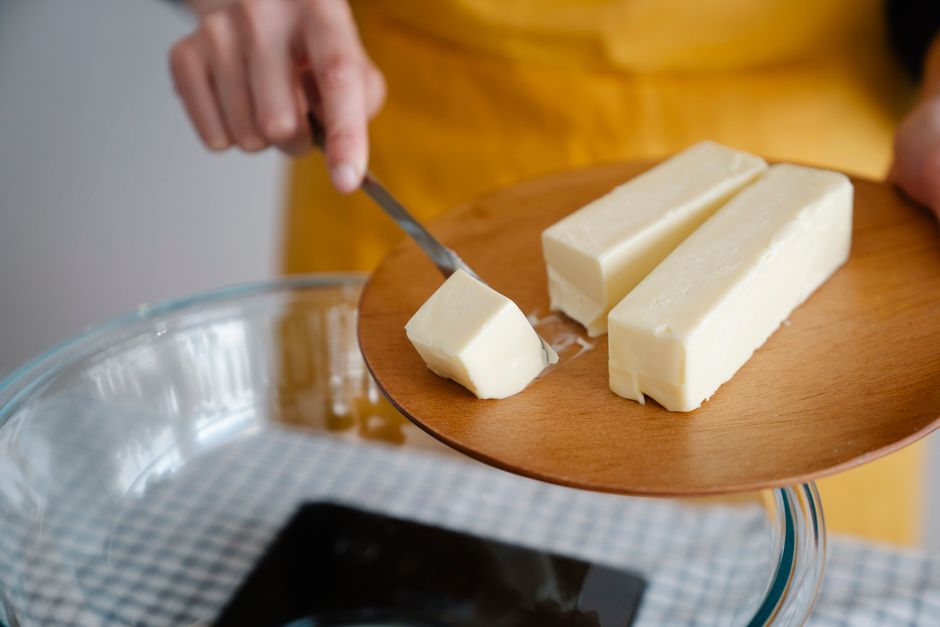
Butter has been blamed for heart disease, weight gain, and nearly every dietary sin for decades. Yet millions of women following low-carb and keto lifestyles have brought it back to the table without packing on pounds. The real question isn’t whether butter is “good” or “bad” — it’s how it fits into your total daily calorie intake.
Yes, you can use butter for weight loss, but only if you stay within your daily calorie target. Butter is a concentrated source of calories at roughly 100 calories per tablespoon, so it works best when you measure portions and use it to replace other fats rather than adding it on top of your usual meals. Weight loss ultimately depends on being in a calorie deficit, and butter can be part of that plan when used thoughtfully.
Most diet advice treats butter as either a forbidden food or a miracle fat. The truth sits somewhere in between. This article explains what the evidence actually says about butter and weight loss, how much you can realistically use, and which cooking methods make the most sense for your goals.
Key Points at a Glance
| Point | What It Means | Why It Matters |
|---|---|---|
| Calorie density | Butter has about 100 calories per tablespoon | Small portions add up quickly — measuring matters |
| Satiety effect | Fat slows digestion and increases fullness | May help you eat less later in the day |
| Nutrient content | Contains vitamin A and small amounts of vitamin K2 | Provides some nutritional value beyond calories |
| Ketogenic diets | Butter fits macronutrient targets on low-carb plans | Useful for women following keto or very low-carb eating |
| Portion control | One pat of butter is roughly 1 teaspoon | Most people underestimate how much they actually use |
Does Butter Actually Help With Weight Loss?
Research consistently shows that dietary fat increases feelings of fullness more than carbohydrates or protein on a per-calorie basis. A study published in the journal Appetite found that meals containing butter led to greater satiety compared to meals with the same calories from carbohydrates. This means you may naturally eat less at your next meal when butter is part of your current one.
But satiety alone doesn’t guarantee weight loss. Butter still contains 100 calories per tablespoon, and those calories count toward your daily total. The women who lose weight while eating butter typically track their portions and stay within a calorie deficit. If you’re already eating at maintenance calories, adding butter will cause weight gain regardless of how full it makes you feel.
How Much Butter Can You Use Per Day?
No established clinical guideline exists for a specific daily butter allowance. The general dietary guidance for fat intake suggests that 20–35% of your daily calories should come from fat. For a woman eating 1,500 calories per day, that means roughly 33–58 grams of fat total — and butter would be just one source among many.
A practical approach is to limit butter to 1–2 tablespoons per day if you’re actively trying to lose weight. That gives you 100–200 calories from butter, leaving room for other foods that provide protein, fiber, and micronutrients. If you’re following a ketogenic diet, you may use more because your overall fat target is higher.
Butter lacks protein and fiber, so it shouldn’t replace those foods in your diet. Use it to cook vegetables, eggs, or lean meats rather than spreading it on bread or pastries. This way you get the flavor and satiety benefits without displacing nutrient-dense foods.
Can I Use Butter for Cooking and Still Lose Weight?
Yes, you can use butter for cooking and still lose weight, provided you account for the calories. Sautéing vegetables in one teaspoon of butter adds about 33 calories — a reasonable trade-off if it helps you eat more vegetables. The same logic applies to eggs, fish, or chicken prepared with a measured amount of butter.
The bigger risk comes from cooking methods that use generous amounts of butter without measuring. Restaurant dishes often contain 3–4 tablespoons of butter per serving, which adds 300–400 calories before you even consider the main ingredients. Home cooking gives you control, but only if you measure what goes into the pan.
One useful strategy is to use butter for flavor at the end of cooking rather than for the entire cooking process. A teaspoon of butter melted over steamed vegetables adds richness without the calorie load of frying everything in butter. This approach lets you enjoy the taste while keeping portions sensible.
Butter vs. Margarine vs. Other Fats for Weight Loss
Research comparing butter to margarine for weight management has found no meaningful difference in weight outcomes when calorie intake is matched. The type of fat matters less than the total number of calories you consume. Some studies suggest that unsaturated fats like olive oil may offer better heart health benefits, but neither butter nor margarine has a unique weight loss advantage.
The practical difference comes down to how each fat behaves in cooking. Butter provides flavor and helps with browning due to its milk solids. Olive oil has a lower smoke point and a different taste profile. Coconut oil is more calorie-dense than butter per tablespoon. Choose based on what fits your cooking style and calorie budget.
If you’re trying to reduce saturated fat for heart health reasons, you might replace some butter with olive oil or avocado oil. But if your primary goal is weight loss, the evidence shows that total calories matter more than the specific fat source. A dietitian can help you balance these priorities based on your individual health profile.
Practical Tips for Using Butter While Losing Weight
- Measure every portion with measuring spoons — never pour or scoop directly from the stick
- Use butter to cook vegetables, eggs, or lean proteins instead of spreading it on bread
- Track butter in your calorie app the same way you track everything else
- Try ghee if you’re sensitive to dairy — it has the same calories but less lactose
- Use half the butter a recipe calls for and add a splash of broth or water to compensate
These strategies work because they keep you in control of portions. The women who succeed with butter in their diet don’t treat it as a free food. They treat it as a calorie source that earns its place by making healthy foods more enjoyable.
If you’re unsure how many calories you should be eating for weight loss, use our TDEE calculator to find your maintenance calories and subtract 300–500 calories for a sustainable deficit. That number tells you exactly how much room you have for butter and everything else.
Related Articles
Frequently Asked Questions
Is butter good for weight loss or does it cause weight gain?
Butter can fit into a weight loss diet when you stay within your calorie target. It causes weight gain only when it pushes you above your maintenance calories.
How many calories are in a tablespoon of butter?
One tablespoon of butter contains roughly 100 calories and about 11 grams of fat. This is a standard USDA value that varies slightly by brand.
Can I eat butter every day and still lose weight?
Yes, you can eat butter daily and still lose weight if your total calorie intake remains below your maintenance level. The key is measuring portions and accounting for every calorie.
Is grass-fed butter better for weight loss than regular butter?
Grass-fed butter has a slightly different fatty acid profile but the same calorie content as regular butter. No strong clinical evidence currently supports one over the other for weight loss.
Should I use butter or olive oil for cooking when dieting?
Both can work for weight loss since calories are what matter most. Olive oil offers more unsaturated fat for heart health, while butter provides different flavor and browning qualities.
Butter doesn’t have to be the enemy of your weight loss goals. The evidence is clear that total calorie intake drives weight change, and butter can be part of a balanced approach when measured and tracked. Start with one tablespoon per day, see how it fits your calorie budget, and adjust from there.

The TDEECAL Team writes about nutrition, metabolism, and fat loss the way we built our calculator, with real numbers and no hype. We dig into the research so you don’t have to guess.