Most people assume chicken breast is the only answer, but that misses the bigger picture. The real question isn’t just about calories — it’s about protein density, satiety, and how the meat fits into your overall daily intake.
When you ask what meat is good for weight loss, the honest answer is lean protein sources that keep you full without excess calories. Chicken breast, turkey, fish, and lean cuts of beef all qualify when prepared without heavy sauces or frying. The best choice for you depends on your budget, taste, and how you cook it.
This article covers the specific cuts that work best, how much protein you actually need, and which meats to limit. You’ll also get practical tips on portion sizes and cooking methods that make a real difference. No fads, no gimmicks — just what the evidence says.
Key Points at a Glance
| Point | What It Means | Why It Matters |
|---|---|---|
| Protein density | Meats with high protein per calorie | Keeps you full longer and preserves muscle |
| Preparation method | Grilling, baking, or roasting beats frying | Added oils and batters can double calories |
| Portion control | 3 to 4 ounces per serving is typical | Even lean meat adds up if portions are large |
| Saturated fat | Limit fatty cuts and processed meats | Higher calorie density and less protein per bite |
Which Meats Are Best for Weight Loss?
Chicken breast leads the list at roughly 165 calories and 31 grams of protein per 100 grams when roasted without skin. Turkey breast is similar, and white fish like cod or tilapia comes in even lower at about 90 calories per 100 grams. Lean cuts of beef, such as sirloin or 93% lean ground beef, also work well when trimmed of visible fat.
The key is choosing cuts with less marbling and removing skin before cooking. I always trim visible fat before seasoning — it saves calories without sacrificing flavor. Pork tenderloin is another solid option at about 143 calories per 100 grams, and it takes marinades well.
Practical tip: Rotate three or four different lean meats each week. Variety prevents boredom, and different meats provide different micronutrients like iron, zinc, and B vitamins.
How Much Protein Do You Actually Need?
Research consistently shows that higher protein intake supports weight loss by increasing fullness and preserving lean muscle. Most women aiming to lose weight benefit from roughly 1.2 to 1.6 grams of protein per kilogram of body weight daily. For a 160-pound woman, that translates to about 87 to 116 grams of protein per day.
A 4-ounce serving of chicken breast provides about 35 grams of protein, which covers a third of that target in one meal. Spreading protein across three meals and one snack makes it easier to hit your goal without feeling stuffed. I find that having a protein source at breakfast — like eggs or Greek yogurt — sets the tone for the whole day.
What Meat is Good for Weight Loss vs. What to Limit?
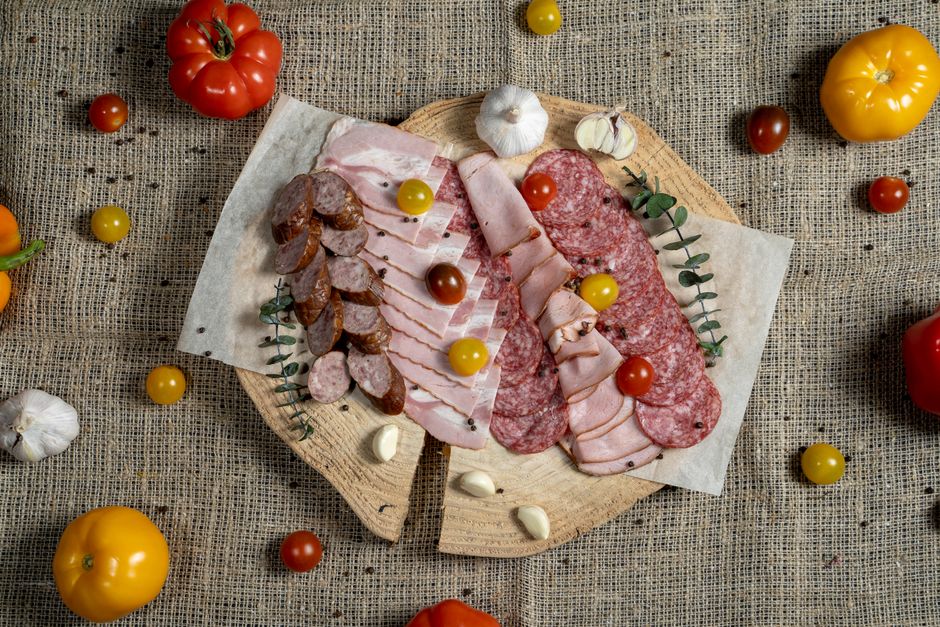
Processed meats like bacon, sausage, and deli meats are the ones to limit. They pack more calories, sodium, and saturated fat per serving, and some research links them to health risks when eaten regularly. Fatty cuts like ribeye or pork shoulder also fit this category because their calorie density makes portion control harder.
That doesn’t mean you can never eat them. It means treating them as occasional choices rather than daily staples. If you’re tracking calories, a 3-ounce serving of ribeye has roughly 290 calories, while the same amount of sirloin has about 180.
How Should You Cook Meat for Weight Loss?
Preparation matters as much as the cut. Grilling, baking, roasting, and air-frying add minimal calories, while frying in oil or butter can add 100 or more calories per serving. A simple marinade of lemon, garlic, and herbs adds flavor without significant calories.
Watch out for sugary sauces and glazes — barbecue sauce alone can add 60 to 80 calories per two-tablespoon serving. I season with dry rubs and a splash of vinegar instead, which gives bold flavor without the sugar. Using a meat thermometer ensures you cook lean cuts properly without drying them out.
How Many Calories Are in Common Lean Meats?
Calorie counts vary by cut and preparation, but here are rough figures per 100 grams based on USDA data. Chicken breast (skinless, roasted) runs about 165 calories. Turkey breast (skinless, roasted) is around 135. White fish like cod is about 90, and sirloin steak (lean, broiled) is around 206.
Pork tenderloin (roasted) sits near 143 calories, and 93% lean ground beef (pan-browned, drained) comes in around 152. These numbers shift slightly depending on exact cuts and cooking methods, so use them as estimates rather than exact figures.
Portion guide: A 3-ounce serving is about the size of a deck of cards. A 4-ounce serving is roughly the size of your palm (without fingers). Using a food scale for the first few weeks trains your eye better than guessing.
Can Red Meat Fit Into a Weight Loss Plan?
Yes, lean red meat can absolutely fit into a weight loss plan. Sirloin, flank steak, and 93% lean ground beef provide high-quality protein, iron, and zinc. The evidence on red meat and health outcomes is mixed, but moderate consumption of lean cuts appears reasonable for most people.
The key is portion control and frequency. Aim for one or two servings of lean red meat per week, and balance it with poultry, fish, and plant proteins. I reserve red meat for weekend meals when I have time to grill properly — it feels like a treat without derailing progress.
Related Articles
Frequently Asked Questions
What is the best meat to eat every day for weight loss?
Skinless chicken breast and turkey breast are the most practical daily options due to their high protein and low calorie content. White fish like cod is also excellent if you enjoy seafood.
Is pork good for weight loss?
Yes, pork tenderloin is a lean cut with roughly 143 calories and 23 grams of protein per 100 grams. Avoid fatty cuts like pork shoulder and processed pork products like bacon.
How much meat should I eat per meal to lose weight?
A 3 to 4 ounce serving of cooked meat per meal is a reasonable target for most women. This provides roughly 25 to 35 grams of protein, which supports fullness and muscle preservation.
Is it better to eat meat or plant protein for weight loss?
Both work well, and the best choice depends on your preferences and digestion. Meats provide complete protein and certain nutrients more efficiently, while plant proteins add fiber and variety.
Can I eat meat at night and still lose weight?
Yes, eating meat at night does not directly cause weight gain. Total daily calorie intake matters more than the timing of your protein consumption.
Does eating more meat speed up my metabolism?
Protein has a higher thermic effect than carbs or fat, meaning your body burns slightly more calories digesting it. The effect is modest, so focus on total protein intake rather than expecting a metabolic boost.
For a personalized calorie target based on your age, height, weight, and activity level, use our TDEE Calculator. Knowing your maintenance calories makes it easier to set a safe, effective deficit for weight loss.
Use our TDEE calculator to find your maintenance calories and plan a sustainable deficit.

The TDEECAL Team writes about nutrition, metabolism, and fat loss the way we built our calculator, with real numbers and no hype. We dig into the research so you don’t have to guess.