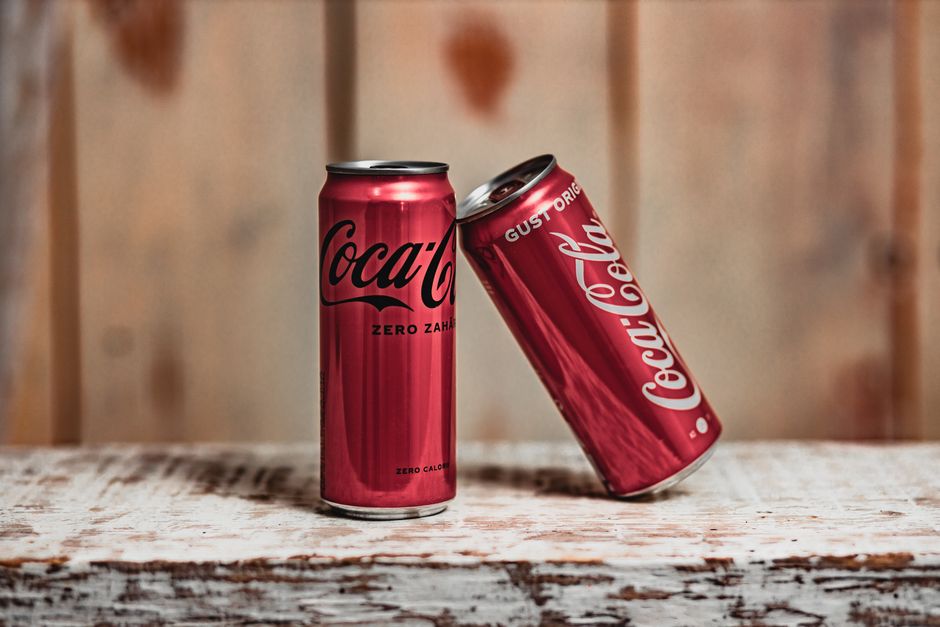
You see them everywhere — diet sodas, zero-sugar sports drinks, and flavored sparkling waters that promise all the taste with none of the sugar. But when you’re trying to lose weight, the question of whether these drinks actually help or hurt your progress is more complicated than the marketing suggests.
The short answer is that zero sugar drinks can be useful for weight loss because they replace sugary beverages with essentially zero calories, but they are not a magic solution and the research on their long-term effects is mixed. Whether zero sugar drinks are good for you depends entirely on what you’re drinking them instead of, how much you consume, and how your body responds to artificial sweeteners.
Most women I talk to assume that swapping their afternoon soda for a diet version automatically puts them on the fast track to weight loss. The reality is more nuanced. Some studies show this swap helps reduce total calorie intake, while others suggest that regularly drinking artificially sweetened beverages may change your taste preferences or appetite signals in ways that work against you.
This article breaks down what the evidence actually says about zero sugar drinks and weight loss, how they compare to regular sugary drinks, and what to watch out for if you decide to include them in your diet.
Key Points at a Glance
| Point | What It Means | Why It Matters |
|---|---|---|
| Calorie replacement | Zero sugar drinks contain close to zero calories compared to 150+ in a regular soda | Replacing sugary drinks can create a meaningful daily calorie deficit |
| Artificial sweeteners | Sweeteners like aspartame and sucralose are hundreds of times sweeter than sugar | May affect taste preferences and appetite regulation in some people |
| Research is mixed | Some studies link diet drinks to weight loss, others to weight gain | Individual responses vary and context matters more than the drink itself |
| Not a free pass | Zero sugar drinks don’t offset calories from food | You still need an overall calorie deficit to lose weight |
What Does the Research Say About Zero Sugar Drinks and Weight Loss?
Research published in the American Journal of Clinical Nutrition has shown that replacing sugar-sweetened beverages with zero-calorie alternatives can reduce daily calorie intake by about 200 calories. That’s a significant amount — roughly enough to lose about a pound every two to three weeks without changing anything else about your diet.
But other studies tell a different story. Some observational research has found that people who regularly drink artificially sweetened beverages tend to weigh more over time. This doesn’t necessarily mean the drinks cause weight gain — it could be that people who are already struggling with their weight choose diet drinks as a strategy, and the association is not cause and effect.
One thing I always tell my readers: track what you actually drink for a week before making changes. You might be surprised how many liquid calories sneak in through coffee drinks, juice, and alcohol — those matter more than the diet soda question.
Is Zero Sugar Drinks Good for Replacing Sugary Beverages?
For most people, swapping a regular soda for a zero sugar version is a step in the right direction. A 12-ounce can of regular cola contains about 140 calories and 39 grams of sugar, while the diet version contains virtually none. Over a month, that swap alone saves roughly 4,200 calories — about 1.2 pounds of fat.
However, the evidence on artificial sweeteners is not entirely reassuring. Some research suggests that consuming intensely sweet flavors, even without calories, may keep your sugar cravings alive or dull your sensitivity to sweetness over time. This means foods that naturally contain sugar, like fruit, might taste less satisfying, potentially leading you to eat more elsewhere.
How Do Artificial Sweeteners Affect Your Body?
Artificial sweeteners like aspartame, sucralose, and saccharin are 200 to 600 times sweeter than table sugar. When you consume them, your body may release insulin in anticipation of the sugar that never arrives — this is called the cephalic phase insulin response, and it’s been documented in some studies.
The bigger concern among researchers is the gut microbiome. Some studies indicate that certain artificial sweeteners can alter the balance of bacteria in your digestive tract, which may affect how your body processes glucose. However, results vary widely between individuals, and not everyone experiences these effects.
No strong clinical evidence currently supports the claim that zero sugar drinks directly cause weight gain in everyone. The evidence is mixed, and individual responses differ significantly. Some people can drink diet sodas daily with no issues, while others find they trigger cravings or digestive discomfort.
What About Natural Zero-Calorie Alternatives?
If you want to avoid artificial sweeteners entirely, there are natural zero-calorie options. Stevia and monk fruit are plant-derived sweeteners that contain no calories and don’t spike blood sugar. Sparkling water with a squeeze of lemon or lime is another simple option that provides flavor without any sweetener at all.
Unsweetened tea and coffee are also excellent choices — they contain virtually no calories and come with their own health benefits. The key is to avoid adding sugar or sweetened creamers, which can quickly turn a healthy drink into a calorie bomb.
I keep a pitcher of cold water with sliced cucumber and mint in my fridge. It sounds simple, but it genuinely makes hitting your daily water intake easier, and it costs pennies compared to fancy zero sugar drinks.
What Is the Best Approach for Weight Loss?
The most practical approach is to use zero sugar drinks as a transitional tool rather than a permanent crutch. If you currently drink several sugary beverages a day, switching to zero sugar versions can help you reduce calories significantly while you work on other habits like portion control and increasing protein intake.
For tracking purposes, most zero sugar drinks contain zero to five calories per serving, which is negligible in the context of a daily calorie budget. If you’re using a TDEE calculator to determine your maintenance calories, you can count these drinks as zero calories and focus your tracking on food.
That said, water should remain your primary beverage. Your body needs it for digestion, metabolism, and energy regulation. Zero sugar drinks can complement your hydration strategy, but they shouldn’t replace water entirely.
Related Articles
Frequently Asked Questions
Can zero sugar drinks help you lose weight?
Yes, they can help by replacing sugary beverages with zero calories, which reduces your total daily intake. But they only work if the rest of your diet stays in a calorie deficit.
Are zero sugar drinks bad for your health?
For most people, moderate consumption is considered safe by regulatory agencies, though research on long-term effects is still ongoing. Some individuals may experience digestive issues or increased cravings.
Do artificial sweeteners cause weight gain?
The evidence is mixed, with some studies suggesting a link and others finding no effect. Individual responses vary, so pay attention to how your body reacts.
How many zero sugar drinks can you have per day?
There is no universal limit, but most health organizations suggest moderation — generally one to two servings per day is reasonable. No established clinical guideline exists for a specific maximum.
Is diet soda better than regular soda for weight loss?
Yes, diet soda is better because it contains zero calories compared to roughly 140 calories in a regular soda. This difference can add up to significant weight loss over time.
What is the best zero sugar drink for weight loss?
Water is always the best choice, but unsweetened tea, coffee, and sparkling water are excellent alternatives. If you prefer flavored drinks, choose ones sweetened with stevia or monk fruit over artificial sweeteners.
To get personalized calorie targets for your weight loss goals, use our TDEE calculator to find your maintenance calories and create a sustainable deficit.

The TDEECAL Team writes about nutrition, metabolism, and fat loss the way we built our calculator, with real numbers and no hype. We dig into the research so you don’t have to guess.