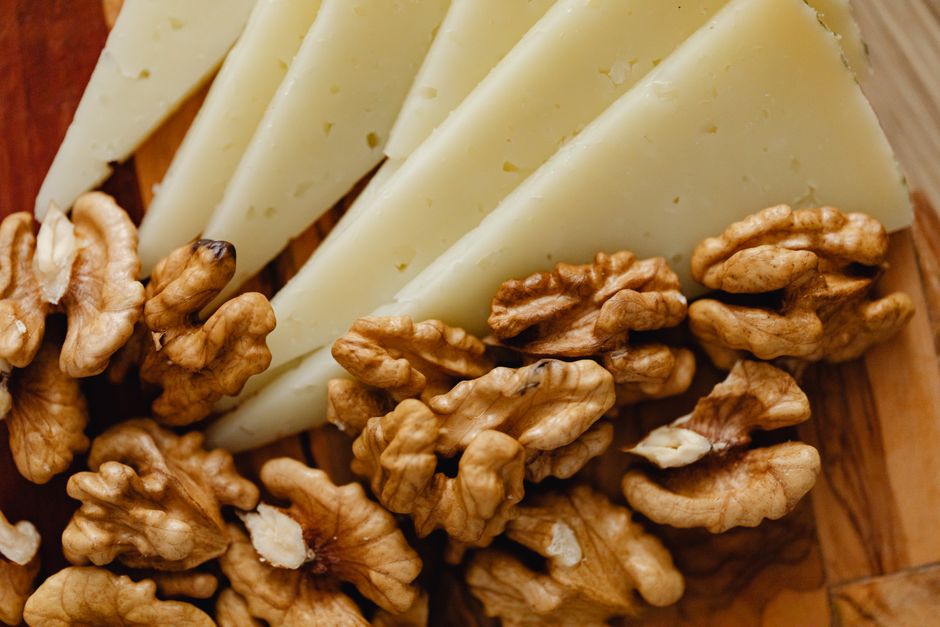
Is Cheese Bad for Weight Loss? The Real Answer
Cheese often gets blamed when the scale won’t budge. But the truth is more complicated than a simple yes or no.
The short answer is that cheese is not inherently bad for weight loss, but portion control and calorie awareness matter more than the type of cheese you choose. Cheese provides protein and calcium, which can support fullness and muscle maintenance during a calorie deficit. However, cheese is also calorie-dense, meaning even small amounts add up quickly if you’re not measuring your portions. The question of whether cheese is bad for weight ultimately comes down to how it fits into your total daily calorie intake.
Most women I talk to are surprised to learn they don’t have to give up cheese entirely to lose weight. Many popular diets demonize dairy, but the research tells a more balanced story. This article covers what the evidence actually says about cheese and weight loss, how to include it without derailing your progress, and which types are easier to fit into a calorie budget.
Key Points at a Glance
| Point | What It Means | Why It Matters |
|---|---|---|
| Calorie density | Cheese packs many calories into a small serving | Easy to overeat without realizing it |
| Protein content | Cheese provides satiating protein | Helps you feel full between meals |
| Portion size | One serving is about 1.5 ounces or the size of two dice | Measuring prevents accidental overconsumption |
| Type matters | Hard cheeses are more calorie-dense than fresh cheeses | Choosing lower-calorie options gives more food for fewer calories |
| Context is everything | Cheese fits into weight loss if calories stay in check | No single food determines your results |
What Does the Research Say About Cheese and Weight?
Research on cheese and weight loss is less clear than you might expect. Some observational studies suggest that people who eat cheese regularly may have lower body weight and less abdominal fat compared to non-cheese eaters. But observational research can’t prove cause and effect. Other factors like overall diet quality and physical activity likely play a bigger role than cheese alone.
Clinical trials on dairy and weight loss have produced mixed results. Some studies indicate that higher dairy intake, including cheese, may support fat loss when combined with a calorie-restricted diet. Other trials show no significant difference between groups eating more or less dairy. The evidence is mixed, and individual responses vary.
What most nutrition researchers agree on is that total calorie balance drives weight loss. Cheese can be part of that equation. The problem is rarely the cheese itself. It’s the amount you eat and what you eat it with.
How Many Calories Are in Common Cheeses?
Calorie counts vary significantly between cheese types. This matters because the difference between a low-calorie and high-calorie option can be 100 calories or more per serving.
Here are approximate values for a 1-ounce serving (about 28 grams):
- Parmesan: roughly 110 calories
- Cheddar: roughly 115 calories
- Swiss: roughly 105 calories
- Mozzarella (part-skim): roughly 70-85 calories
- Feta: roughly 75 calories
- Cottage cheese (low-fat): roughly 80-90 calories per half cup
- Ricotta (part-skim): roughly 90-100 calories per half cup
Fresh cheeses like mozzarella, feta, and cottage cheese contain more water and less fat. That makes them less calorie-dense than aged hard cheeses. You get a larger volume of food for fewer calories, which can help with satiety.
I always keep part-skim mozzarella in my fridge for this reason. It melts beautifully on a whole-wheat tortilla with marinara and gives me the cheesy satisfaction I want for about 70 calories per ounce.
How Much Cheese Can You Eat While Losing Weight?
There’s no single number that works for everyone. Your calorie target depends on your age, height, weight, activity level, and goals. A good starting point is to calculate your maintenance calories and subtract 300-500 calories for weight loss.
For most women in a calorie deficit, 1-2 servings of cheese per day is reasonable. That translates to roughly 100-230 calories allocated to cheese. This amount provides meaningful protein and satisfaction without consuming a large share of your daily budget.
If you’re using a calorie tracking app, log your cheese accurately. Pre-shredded cheese often includes anti-caking agents that add bulk without calories, so weighing fresh blocks is more accurate. Grate your own cheese when possible. It melts better and you control the portion.
Is Cheese Bad for Weight Loss if You’re Lactose Intolerant?
Lactose intolerance doesn’t automatically mean giving up cheese. Aged hard cheeses like cheddar, parmesan, and swiss contain very little lactose because the aging process breaks it down. Many people with lactose intolerance tolerate these cheeses without issues.
Fresh cheeses like mozzarella, ricotta, and cottage cheese contain more lactose and may cause digestive discomfort. If you’re sensitive, choose aged varieties or lactose-free options. Greek yogurt and lactose-free cottage cheese are alternatives if you want the protein without the digestive issues.
Digestive discomfort can interfere with weight loss indirectly. If cheese makes you bloated or uncomfortable, you’re less likely to stick with your eating plan. Listen to your body and choose what works for you.
Does Cheese Help You Feel Full?
Protein and fat both contribute to satiety, and cheese provides both. Research suggests that protein-rich foods increase fullness hormones and reduce hunger compared to equal-calorie carbohydrate foods. The fat in cheese slows digestion, which extends the feeling of fullness.
A small study published in the journal Appetite found that participants who ate cheese as part of a meal reported greater fullness and ate less at their next meal compared to those who consumed the same calories from potato chips. This suggests that cheese may actually help with portion control at subsequent meals.
However, this doesn’t mean cheese is a free food. The key is pairing it with fiber-rich foods like vegetables, whole grains, or fruit. A cheese stick with an apple is a balanced snack. Mac and cheese with no vegetables or protein is a different story.
Frequently Asked Questions
Related Articles
Is cheese bad for weight loss at night?
Eating cheese at night is not inherently bad for weight loss. Total daily calories matter more than the time of day you eat them.
What is the best cheese to eat when trying to lose weight?
Part-skim mozzarella, feta, and low-fat cottage cheese are lower in calories per serving. Aged cheeses like parmesan also work well because a small amount adds strong flavor.
Can I eat cheese every day and still lose weight?
Yes, you can eat cheese daily and still lose weight if it fits within your calorie budget. The key is measuring portions and accounting for the calories in your overall plan.
Is cheese more fattening than bread?
Cheese is more calorie-dense per gram than most breads. But satiety and nutrient content differ, so comparing them directly isn’t useful for weight loss planning.
Does cheese cause belly fat specifically?
No food causes fat storage in one specific area of the body. Excess calories from any source contribute to overall weight gain, and genetics determine where fat is stored.
How much cheese can I eat a day on a 1500 calorie diet?
On a 1500-calorie diet, 1-2 servings of cheese (roughly 100-230 calories) is a reasonable amount. This leaves room for other protein sources, vegetables, and whole grains.
To figure out how cheese fits into your personal calorie needs, use our TDEE Calculator to get an accurate estimate of your maintenance calories. From there, you can plan portions that work for your goals without giving up foods you enjoy.

The TDEECAL Team writes about nutrition, metabolism, and fat loss the way we built our calculator, with real numbers and no hype. We dig into the research so you don’t have to guess.