What is the Insulin Shot for Weight Loss?
You may have seen influencers or celebrities talking about insulin shots for weight loss, and it is easy to feel confused about what is real and what is hype.
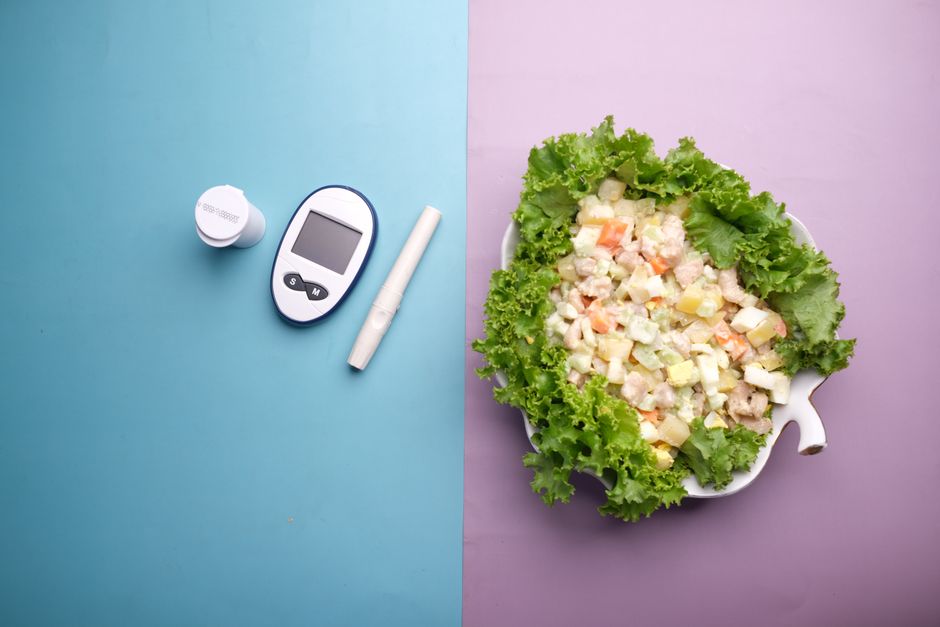
So, what is the insulin shot for weight loss? It is a prescription medication used to treat diabetes, and while some people do lose weight while taking it, it is not a weight-loss drug. The primary purpose of insulin is to control blood sugar in people with diabetes, not to burn fat or suppress appetite. Using it without a medical need can cause dangerous drops in blood sugar, which can be life-threatening.
This article explains what insulin actually does, why some people lose weight on it, and why it is not a safe shortcut for weight loss. We will also cover what the evidence really says about other injectable medications that are designed for weight management, so you can make an informed decision with your doctor.
Important: Never take a prescription medication that was not prescribed for you. Insulin is a life-saving drug for people with diabetes, but it can be extremely dangerous for others.
Key Points at a Glance
| Point | What It Means | Why It Matters |
|---|---|---|
| Insulin’s purpose | It lowers blood sugar in people with diabetes. | It is not designed or approved for weight loss. |
| Weight loss effect | Some people lose weight when starting insulin, often due to fluid loss. | This effect is temporary and not fat loss. |
| Main risk | Taking insulin without diabetes can cause severe hypoglycemia. | Low blood sugar can lead to seizures, coma, or death. |
| Real weight-loss injections | Drugs like semaglutide (Wegovy) are approved for weight loss. | These work on appetite, not blood sugar, and are different from insulin. |
Why Do Some People Lose Weight on Insulin?
It sounds backwards. Insulin is the hormone that helps your body store sugar as fat, so how could it cause weight loss? The answer is usually about fluid, not fat.
When someone has very high blood sugar, their kidneys work overtime to flush out the extra sugar through urine. This process pulls water out of the body, which can cause dehydration and rapid weight loss. When they start insulin, blood sugar drops, the body holds onto fluid again, and weight often goes back up.
Some studies suggest that certain types of insulin can slightly reduce appetite, but this effect is not consistent and is not the reason insulin is prescribed. I have seen patients get discouraged when the scale moves up after starting insulin, even though their blood sugar is finally under control. That weight gain is usually fluid retention, not fat.
What Are the Real Risks of Using Insulin for Weight Loss?
Using insulin without a medical need is not just a bad idea — it is genuinely dangerous. The most serious risk is hypoglycemia, or dangerously low blood sugar.
When blood sugar drops too low, you can feel shaky, confused, and dizzy. In severe cases, it can cause seizures, loss of consciousness, and even death. The risk is higher in people who are not diabetic because their bodies still produce their own insulin, and adding more can push blood sugar to a critical low.
Another risk is weight gain. Insulin promotes fat storage, and many people with diabetes actually gain weight when they start taking it. Using it for weight loss is therefore counterproductive for most people.
There is also the risk of lipodystrophy, which is a condition where fat under the skin breaks down or builds up at the injection site. This can cause lumps or dents that are unsightly and can affect how the medication is absorbed.
What Is the Insulin Shot for Weight Loss Compared to Other Injections?
You might be confusing insulin with newer injectable weight-loss drugs, and that is understandable. Medications like semaglutide (Wegovy) and tirzepatide (Zepbound) are approved for weight loss, but they are not insulin.
These drugs belong to a class called GLP-1 receptor agonists. They work by mimicking a hormone that your gut releases after eating. This hormone tells your brain you are full, slows digestion, and reduces appetite. They do not directly lower blood sugar the way insulin does, although they do help manage blood sugar in people with type 2 diabetes.
So, what is the insulin shot for weight loss? It is a diabetes drug that has a reputation for weight loss that is largely unearned. If you are looking for an injection to help with weight loss, talk to your doctor about GLP-1 medications, not insulin. These are prescription medications with their own side effects, and they are not appropriate for everyone.
No clinical guideline recommends insulin for weight loss in people without diabetes. The evidence is clear that the risks far outweigh any potential benefit.
Lived-in note: When I explain this to friends, I compare insulin to a key that unlocks your cells to let sugar in. Without diabetes, your locks are already working fine. Adding more keys just creates chaos.
What Are the Approved Injectable Weight-Loss Medications?
If you are curious about injectable weight-loss medications, it helps to know what is actually approved. Semaglutide is sold under the brand name Wegovy for weight loss. Tirzepatide is sold as Zepbound for weight loss.
These medications are given once a week as an injection. They are intended for people with a body mass index (BMI) of 30 or higher, or a BMI of 27 or higher with at least one weight-related condition like high blood pressure or high cholesterol.
These are not quick fixes. They work best when combined with a reduced-calorie diet and increased physical activity. They also come with side effects, including nausea, vomiting, diarrhea, and constipation. Some people cannot tolerate them.
There is also the newer class of dual GIP/GLP-1 receptor agonists, like tirzepatide. Some research suggests these may lead to greater weight loss than GLP-1 alone, but they are not insulin and work through completely different pathways.
How Do You Know If an Injectable Weight-Loss Drug Is Right for You?
This is a conversation you need to have with your doctor. There is no online quiz or calculator that can tell you if you are a candidate for these medications.
Your doctor will review your medical history, current medications, and any underlying conditions. They will also check your kidney and liver function, because these drugs can affect those organs. You should also be honest about any history of eating disorders, because these medications can make restrictive eating worse.
If you are not a candidate for these drugs, do not be discouraged. Many people lose weight successfully with diet and exercise alone. You can use a TDEE calculator to find your maintenance calories and create a modest deficit, which is the foundation of sustainable weight loss.
Try this: Before you ask your doctor about injections, spend two weeks tracking your food honestly. You might be surprised by where your calories are actually coming from. Most of my readers find that small changes in portion sizes make a bigger difference than they expected.
Related Articles
Frequently Asked Questions
Can you take insulin for weight loss if you are not diabetic?
No. Taking insulin without diabetes can cause severe hypoglycemia, which can be life-threatening. It is not approved or recommended for weight loss in people without diabetes.
Does insulin cause weight gain or weight loss?
Insulin more commonly causes weight gain because it promotes fat storage. Any initial weight loss is usually from fluid loss as blood sugar normalizes, not from fat loss.
What is the difference between insulin and Ozempic?
Insulin directly lowers blood sugar by moving glucose into cells, while Ozempic (semaglutide) works on appetite and digestion. Ozempic is a GLP-1 receptor agonist, not insulin, and is used for type 2 diabetes and weight loss.
Are weight-loss injections safe?
Approved weight-loss injections like Wegovy and Zepbound are generally safe when prescribed by a doctor, but they have side effects. They are not appropriate for everyone, and you should discuss risks with your healthcare provider.
How much weight can you lose on Wegovy?
Clinical trials show average weight loss of about 15% of body weight over 68 weeks, but individual results vary. Weight loss depends on your diet, activity level, and how your body responds to the medication.
What is the best injection for weight loss?
There is no single best injection; the right choice depends on your health history and goals. Your doctor can help you decide between options like semaglutide and tirzepatide based on your needs.
If you are trying to lose weight, start by understanding your daily calorie needs with our TDEE Calculator. It is a free tool that gives you a personalized starting point for a safe, sustainable deficit.

The TDEECAL Team writes about nutrition, metabolism, and fat loss the way we built our calculator, with real numbers and no hype. We dig into the research so you don’t have to guess.