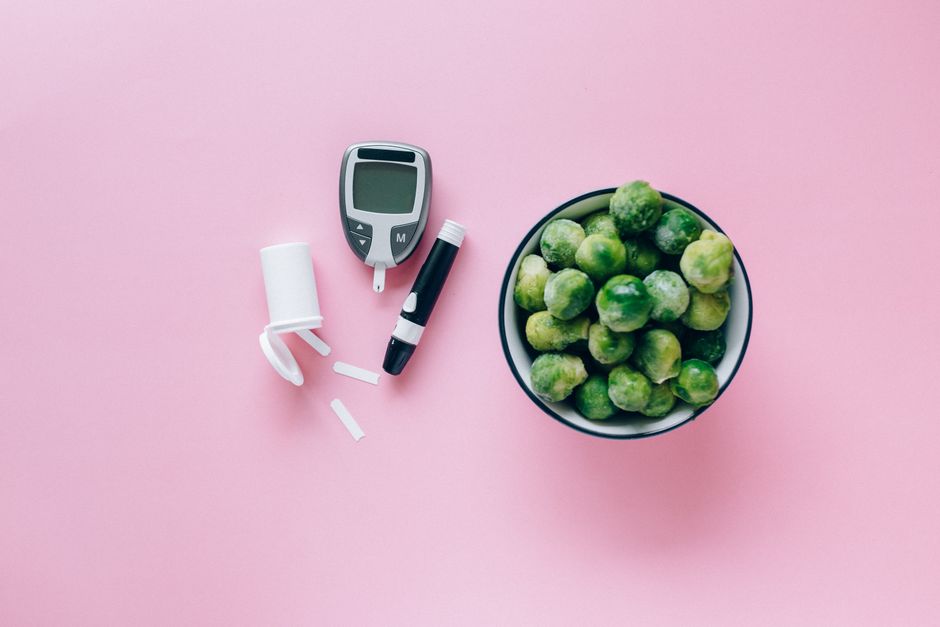
Ozempic and Wegovy are the same medication, semaglutide, and they are the most well-known diabetes shots now used for weight loss. These drugs belong to a class called GLP-1 receptor agonists, which help control blood sugar and slow stomach emptying.
When people ask what diabetes shot is used for weight loss, the direct answer is that GLP-1 medications like semaglutide (Ozempic, Wegovy) and tirzepatide (Mounjaro, Zepbound) are the primary options. These drugs mimic a natural hormone that signals fullness to your brain.
This topic matters because millions of Americans are now asking their doctors about these medications. The confusion is real — many people hear about diabetes drugs and wonder if they qualify, what the differences are, and whether the side effects are worth it. This article breaks down the actual science, the key differences between the shots, and what you should know before asking your doctor.
Most online advice skips the practical details that matter, like how these drugs affect appetite differently and what happens when you stop. Here is the honest picture based on current clinical evidence.
Key Points at a Glance
| Point | What It Means | Why It Matters |
|---|---|---|
| GLP-1 receptor agonists | Drugs that mimic a natural fullness hormone | They reduce appetite and slow digestion |
| Semaglutide | Active ingredient in Ozempic and Wegovy | Same drug, different names and doses |
| Tirzepatide | Active ingredient in Mounjaro and Zepbound | Targets two hormones instead of one |
| Weight loss results | Average loss of 15-20% of body weight | Results vary widely by person |
| Insurance coverage | Often covers diabetes use, not weight loss | Cost can be a major barrier |
How Do Diabetes Shots Work for Weight Loss?
These medications were originally developed to treat type 2 diabetes by helping the pancreas release insulin when blood sugar rises. But researchers noticed something important during clinical trials — patients were losing significant weight.
The weight loss happens through several mechanisms. The drug slows how quickly food leaves your stomach, so you feel full longer. It also acts on the brain’s appetite centers, reducing food cravings and making portions feel more satisfying.
I always tell people that the appetite suppression is the most noticeable effect. Most patients describe a voice in their head that used to say “eat more” going quiet within the first week or two.
These drugs are not appetite suppressants in the traditional sense. They change how your body and brain respond to food, which is why many people find it easier to make lasting dietary changes while on them.
What Diabetes Shot is Used for Weight Loss Most Often?
Semaglutide is currently the most prescribed diabetes shot used for weight loss. It is sold under two brand names: Ozempic for diabetes treatment and Wegovy specifically for weight management. The active ingredient is identical, but the dosing schedules differ.
Tirzepatide, sold as Mounjaro for diabetes and Zepbound for weight loss, is a newer option that targets two hormones. Some research suggests it may produce slightly greater average weight loss than semaglutide, though individual results vary considerably.
These medications are typically given as a once-weekly injection using a prefilled pen. Most people inject in the abdomen, thigh, or upper arm, rotating sites each week to avoid skin irritation.
What Are the Real Differences Between These Shots?
The main difference comes down to how many hormones each drug targets. Semaglutide works on one receptor, while tirzepatide works on two. This dual action is why some studies show tirzepatide producing slightly higher average weight loss.
Side effects are similar across both medications. Nausea, vomiting, diarrhea, and constipation are the most common, especially when starting or increasing the dose. These effects usually improve over time as your body adjusts.
One practical note from my own observation: people who eat smaller meals from day one have fewer stomach issues than those who keep eating the same portions. The drug slows digestion, so large meals can cause discomfort.
A rare but serious risk is pancreatitis, and there are warnings about gallbladder issues and a type of thyroid tumor seen in animal studies. Your doctor should review your medical history before prescribing these.
How Much Weight Can You Actually Expect to Lose?
Clinical trials show average weight loss of about 15% of starting body weight over 68 weeks with semaglutide. For tirzepatide, some studies report averages closer to 20-22% over similar timeframes.
These are averages, not guarantees. Some people lose more, some lose less, and a small percentage lose almost nothing. Your results depend on your starting weight, how consistently you take the medication, and whether you pair it with dietary changes.
Weight loss typically begins within the first month, with the most rapid loss happening in the first 6 months. After about a year, weight tends to plateau even if you continue the medication.
Using a TDEE calculator can help you understand how many calories you actually need while on these medications. Many people find their appetite returns to normal after a few months, and knowing your maintenance calories helps you adjust.
What Happens When You Stop Taking These Shots?
This is the question most doctors wish more patients asked before starting. Research consistently shows that weight returns when the medication stops, with most people regaining a significant portion of the weight within a year.
The reason is straightforward — the appetite suppression and fullness signals disappear when the drug leaves your system. Without a solid plan for maintaining new eating habits, the old patterns often return.
Some doctors recommend a slow taper rather than stopping abruptly. This can help your body adjust and give you time to build sustainable habits that might hold better after you stop.
Are These Shots Right for You?
These medications are approved for people with a BMI of 30 or higher, or a BMI of 27 plus at least one weight-related condition like high blood pressure or diabetes. Your doctor makes the final call based on your full health picture.
Cost is a major consideration. Without insurance coverage, these medications can cost over $1,000 per month. Many insurance plans cover them for diabetes but not for weight loss alone, so check with your provider before getting your hopes up.
These shots are not a quick fix or an easy way out. They require commitment to weekly injections, potential side effects, and ongoing lifestyle changes. But for many people who have struggled with weight for years, they offer a genuinely effective tool that did not exist a decade ago.
Related Articles
Frequently Asked Questions
What diabetes shot is used for weight loss the most?
Semaglutide, sold as Ozempic and Wegovy, is the most commonly prescribed diabetes shot used for weight loss. Tirzepatide, sold as Mounjaro and Zepbound, is a newer alternative that targets two hormones.
Can you take Ozempic for weight loss if you don’t have diabetes?
Yes, but doctors typically prescribe Wegovy instead because it is specifically approved for weight management. Ozempic is approved for diabetes, though some doctors prescribe it off-label for weight loss.
How fast do you lose weight on these shots?
Most people notice appetite changes within the first week and measurable weight loss within the first month. The most rapid loss usually happens in the first 6 months of treatment.
Do you gain weight back after stopping?
Research shows most people regain a significant portion of lost weight within a year of stopping. Maintaining new eating habits during treatment is the best way to slow this regain.
Are these shots safe for long-term use?
Long-term safety data is still being collected, though these drugs have been used for diabetes for over a decade. Serious side effects are rare but include pancreatitis and gallbladder issues.
Understanding what diabetes shot is used for weight loss is the first step, but the bigger question is whether it fits your health goals and budget. Talk to your doctor about your options, and use a TDEE calculator to understand your baseline calorie needs before you start.

The TDEECAL Team writes about nutrition, metabolism, and fat loss the way we built our calculator, with real numbers and no hype. We dig into the research so you don’t have to guess.