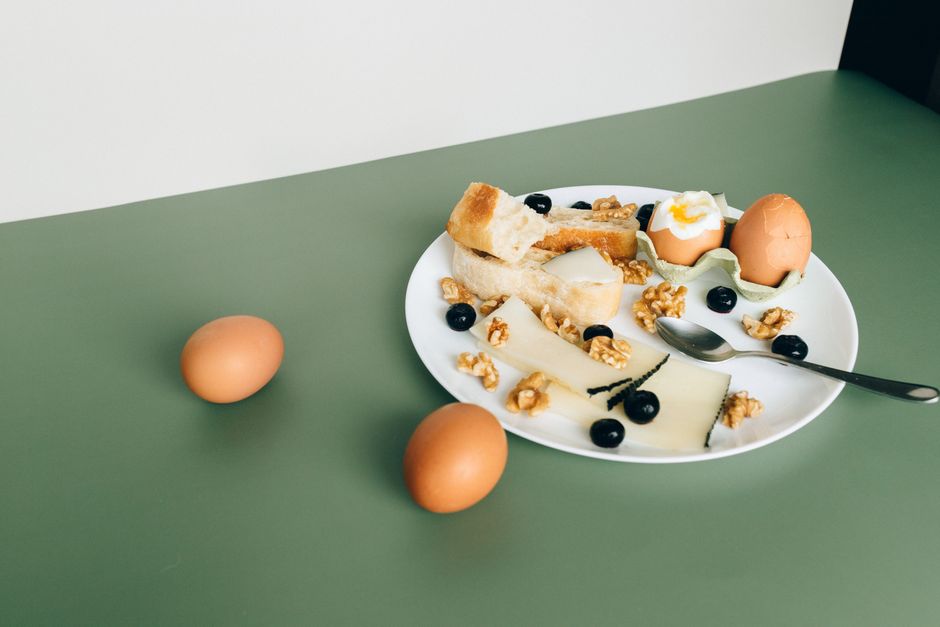
What Type of Egg is Best for Weight Loss
You’ve heard eggs are good for dieting, but then you stand in the dairy aisle staring at white, brown, free-range, and organic cartons, unsure if any of it actually matters for your goals.
The direct answer is that the best type of egg for weight loss is a standard large chicken egg, typically the white or brown variety, because it delivers the highest protein-to-calorie ratio for the lowest cost. When asking what type of egg is best, the cooking method matters far more than the shell color or label. A large egg has about 70 calories and 6 grams of protein, regardless of whether it comes from a free-range hen or a conventional farm.
Most of the marketing on egg cartons targets ethics and animal welfare, not weight loss outcomes. The research on egg quality differences is real, but it doesn’t change the calorie math that drives fat loss.
This article breaks down the actual differences between egg types, which ones are worth the extra money, and how to cook them so you stay full without blowing your calorie budget. You’ll also learn why the egg itself matters less than what you eat with it.
Key Points at a Glance
| Point | What It Means | Why It Matters |
|---|---|---|
| Egg size and type | Large eggs are the standard reference for nutrition labels | Calorie and protein counts change with egg size |
| Cooking method | Boiled and poached eggs add zero extra calories | Frying adds fat that can double the calorie count |
| Egg grade and color | No meaningful nutritional difference between white and brown | Don’t pay extra for shell color when dieting |
| Specialty labels | Organic and free-range eggs have similar macros | Choose these for ethics, not for faster weight loss |
Does the Egg Color or Grade Change Weight Loss Results?
No. White and brown eggs have nearly identical nutrition profiles. The shell color comes from the hen’s breed, not from any difference in feed quality or nutrient content.
Egg grades like AA, A, and B reflect interior quality and freshness, not calorie content. A Grade AA egg has a firmer white and a higher yolk, but the protein and fat numbers stay essentially the same as a Grade B egg.
I’ve tested this myself over years of meal prepping. The white eggs from the discount store scramble exactly the same as the expensive brown ones from the farmer’s market. The only difference I notice is in my wallet.
What Type of Egg Is Best for Satiety and Protein?
Large eggs are the sweet spot for weight loss because they give you 6 grams of protein for roughly 70 calories. That protein ratio keeps you full for hours, which research suggests helps reduce overall daily calorie intake.
Jumbo eggs have more protein, about 7 grams, but they also pack more calories and fat. Small eggs give you less protein per egg, which means you’ll need more of them to feel satisfied.
Some studies indicate that eating eggs at breakfast leads to lower calorie consumption later in the day compared to carbohydrate-heavy breakfasts. The protein and fat in eggs slow digestion and keep blood sugar steady, which reduces cravings.
If you’re tracking calories, weigh your eggs when possible. A “large” egg can vary by 5 to 10 grams, which changes the calorie count by about 10 calories. That adds up over a week of daily eggs.
How Does the Cooking Method Change the Calorie Count?
The cooking method is the single biggest factor in whether eggs help or hurt your weight loss plan. A boiled egg has about 70 calories. A fried egg cooked in butter can reach 120 calories or more.
Scrambled eggs are the riskiest choice because they absorb fat like a sponge. Two eggs scrambled in a tablespoon of butter can easily hit 250 calories before you add cheese or toast.
Poached and boiled eggs are the safest bets for dieting. They add zero extra fat, and they’re portable if you’re meal prepping for the week.
I always keep a few hard-boiled eggs in the fridge for busy mornings. They’re ready in seconds, and I never have to think about portion control because the portion is already set.
Are Expensive Specialty Eggs Worth It for Weight Loss?
Organic, free-range, and pasture-raised eggs have slightly different fatty acid profiles, but the calorie and protein numbers remain nearly identical. Some research suggests pasture-raised eggs contain more omega-3 fatty acids, which support heart health, but this does not accelerate weight loss.
If you’re choosing specialty eggs for animal welfare or environmental reasons, that’s a valid choice. Just don’t expect them to help you lose weight faster than standard eggs.
Your money is better spent on the cooking fat you use and the vegetables you pair with the eggs. A cheap egg cooked with spinach and a measured teaspoon of olive oil beats an expensive egg fried in butter every time.
How Many Eggs Can You Eat Per Day for Weight Loss?
For most healthy adults, eating two to three eggs per day is safe and effective for weight loss. This provides 12 to 18 grams of protein for roughly 140 to 210 calories, which fits comfortably into most calorie targets.
Older concerns about egg cholesterol and heart health have shifted as research has clarified that dietary cholesterol has less impact on blood cholesterol than saturated fat does for most people. If you have diabetes or heart disease, talk to your doctor about your specific egg intake.
The real danger isn’t the eggs themselves. It’s what you eat alongside them. Bacon, sausage, butter-soaked toast, and cheese can turn a healthy egg breakfast into a 700-calorie meal.
Pair your eggs with non-starchy vegetables like spinach, peppers, or mushrooms. This adds volume and fiber, which increases fullness without adding many calories.
Frequently Asked Questions
Related Articles
What type of egg is best for weight loss?
Standard large chicken eggs are the best choice because they offer 6 grams of protein for about 70 calories. The cooking method matters more than the egg type, so choose boiled or poached eggs to keep calories minimal.
Are brown eggs healthier than white eggs for dieting?
No, brown and white eggs have nearly identical nutrition profiles. The color difference comes from the hen’s breed and has no meaningful impact on weight loss.
How many eggs can I eat a day without gaining weight?
Two to three eggs per day fits into most weight loss plans at roughly 140 to 210 calories total. The eggs themselves won’t cause weight gain, but high-calorie additions like butter and cheese will.
Is it better to eat egg whites only for weight loss?
Egg whites are lower in calories, but the yolk contains healthy fats and nutrients that increase satiety. Eating whole eggs keeps you full longer, which research suggests helps with overall calorie reduction.
Do organic eggs help you lose weight faster?
No, organic eggs have the same calorie and protein content as conventional eggs. Choose them for ethical reasons, not for faster weight loss results.
What is the healthiest way to cook eggs for weight loss?
Boiling or poaching eggs adds zero extra calories and preserves the protein content. If you prefer scrambled eggs, use a nonstick pan with cooking spray instead of butter to keep calories low.
Ready to track your egg intake and calorie goals precisely? Use the TDEE Calculator to find your daily calorie target and plan your egg meals around it.

The TDEECAL Team writes about nutrition, metabolism, and fat loss the way we built our calculator, with real numbers and no hype. We dig into the research so you don’t have to guess.