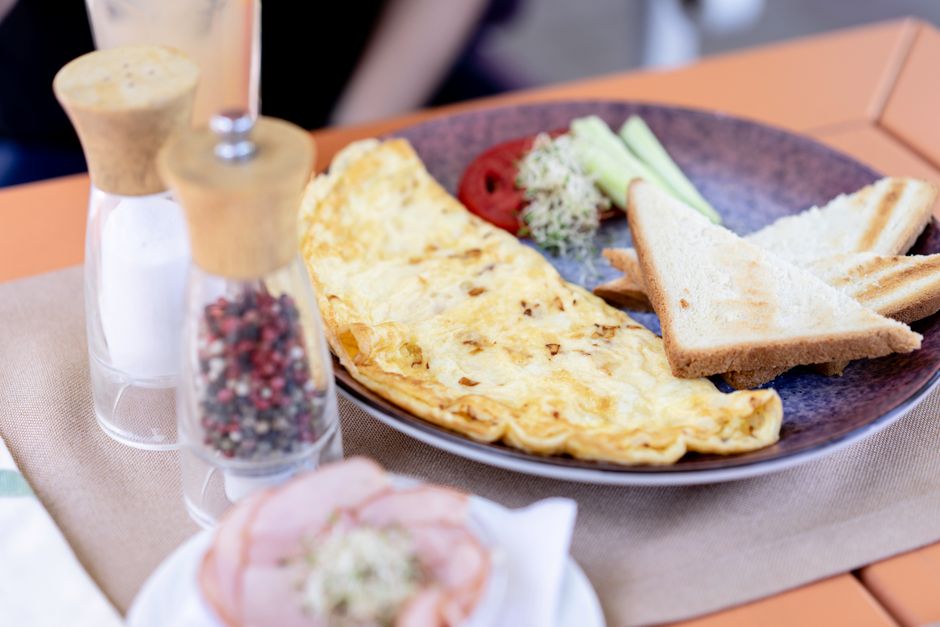
Most mornings, the same breakfast question comes up: are eggs and toast actually helping or hurting your weight loss efforts? The answer depends on how you build that plate, not on some magical property of either food.
Yes, is eggs and toast good for weight loss — when you choose the right portions and pairings. Eggs provide high-quality protein that helps you feel full, while toast offers steady carbohydrates for energy. Together, they create a balanced meal that can support weight loss, but the type of bread, cooking method, and toppings make all the difference.
This article breaks down the real evidence behind this classic breakfast combo. You will learn what the research actually says, how to build a weight-loss-friendly version, and where people typically go wrong. No hype, no fads — just practical guidance you can use tomorrow morning.
Key Points at a Glance
| Point | What It Means | Why It Matters |
|---|---|---|
| Protein keeps you full | Eggs contain about 6 grams of protein each | Higher protein breakfasts reduce snacking later in the day |
| Toast type matters | Whole grain beats white bread for weight loss | Fiber slows digestion and stabilizes blood sugar |
| Portion control is key | Two eggs plus one slice of toast is a solid baseline | Calorie surplus still happens with healthy foods |
| Cooking method changes calories | Fried eggs absorb oil; boiled or poached do not | Extra oil can add 100+ calories without adding fullness |
| Toppings can derail progress | Butter, cheese, and sugary spreads add up fast | A healthy base becomes high-calorie with the wrong additions |
What Does the Research Say About Eggs and Weight Loss?
Studies have consistently shown that egg-based breakfasts help with appetite control. Research published in the International Journal of Obesity found that people who ate eggs for breakfast consumed fewer calories over the next 36 hours compared to those who ate a bagel-based breakfast with the same calorie count.
The protein in eggs triggers hormones that signal fullness. One large egg delivers roughly 6 grams of protein along with vitamin D, choline, and B vitamins. I always tell clients to keep the yolk — that is where most of the nutrients live, and the yolk contributes to satiety too.
If you are tracking calories, one large egg is about 70 to 80 calories. Two eggs with one slice of whole grain toast lands around 200 to 250 calories before any toppings.
How Many Calories Are in Eggs and Toast?
A standard serving of two large eggs and one slice of whole wheat toast contains roughly 200 to 250 calories. The exact number depends on the size of the eggs, the type of bread, and how you cook both.
Here is where people accidentally overshoot. Frying eggs in butter adds about 100 calories per tablespoon. Spreading a thick layer of peanut butter adds another 90 to 100 calories per tablespoon. A pat of butter on toast adds 36 calories. These small additions can turn a 250-calorie breakfast into a 500-calorie one without making you feel any fuller.
My personal rule: cook eggs in a non-stick pan with cooking spray instead of butter. You save calories without sacrificing taste, and the eggs still come out perfectly soft.
Is Eggs and Toast Good for Weight Loss Compared to Other Breakfasts?
Compared to cereal, pastries, or sweetened oatmeal, eggs and toast is a stronger choice for weight loss. The protein-to-carbohydrate ratio keeps blood sugar steadier, which reduces mid-morning cravings.
But the comparison only works if you choose the right bread. Whole grain or sprouted grain bread provides 3 to 5 grams of fiber per slice. White bread offers less than 1 gram and digests quickly, which can leave you hungry within two hours.
One thing I have noticed with my own clients: people who switch from cereal to eggs and toast report feeling satisfied longer. That satisfaction translates to fewer calories consumed at lunch, which is where the real weight loss benefit shows up.
Look for bread with at least 3 grams of fiber per slice. If the ingredient list starts with “enriched wheat flour,” it is white bread in disguise.
What Is the Best Way to Build a Weight-Loss-Friendly Eggs and Toast Meal?
Start with two eggs — boiled, poached, or scrambled with minimal oil. Add one slice of whole grain toast. Then build volume with vegetables: spinach, tomatoes, mushrooms, or bell peppers.
Vegetables add fiber and water, which increase fullness without adding many calories. A handful of spinach wilts down to almost nothing, so you can add a generous portion for under 20 calories.
For flavor without calories, use herbs, spices, hot sauce, or a squeeze of lemon. These add variety without sabotaging your goals. I always keep a jar of smoked paprika near the stove — it gives scrambled eggs a depth that makes you forget the butter is missing.
How Much Protein Do You Need to Lose Weight?
Research suggests that 25 to 30 grams of protein per meal supports weight loss by preserving muscle and controlling appetite. Two eggs provide about 12 grams, so you will need to add protein elsewhere in the meal.
Options include a slice of turkey, a spoonful of cottage cheese on the side, or a glass of milk. These additions bring your breakfast protein closer to the 25-gram target without turning the meal into a production.
If you are over 50, protein needs may be slightly higher. Some studies indicate that older adults benefit from 30 to 40 grams per meal to prevent muscle loss during weight loss.
What Mistakes Sabotage Eggs and Toast for Weight Loss?
The biggest mistake is treating the bread as an afterthought. A thick bagel or oversized artisan slice can carry 250 to 350 calories by itself. Stick to one standard slice of bread — about 25 to 30 grams.
The second mistake is adding high-calorie condiments. Ketchup, honey, jam, and flavored cream cheese all add sugar. Avocado is healthy but still packs about 80 calories per quarter — measure it rather than guessing.
And the third mistake is skipping the vegetables entirely. Without them, you get a meal that is fine but not optimal. Adding vegetables is the single easiest way to make this breakfast work harder for your weight loss goals.
Frequently Asked Questions
Related Articles
Can I eat eggs and toast every day for weight loss?
Yes, you can eat eggs and toast daily as long as your total calories support your goals. Variety matters for nutrient diversity, but this breakfast is nutritionally sound for daily rotation.
Are eggs and toast good for weight loss if I use white bread?
White bread works in a pinch, but whole grain bread is better because its fiber keeps you full longer. The calorie difference is minimal, but the satiety difference is noticeable.
How many eggs should I eat for breakfast to lose weight?
Two eggs is a reasonable serving for most women aiming for weight loss. Eating three or four eggs is fine for most healthy adults, but it pushes protein and calories higher than necessary.
Is it better to eat eggs and toast before or after a workout?
Either timing works, but eating this meal after a workout helps with muscle recovery. If you eat it before, give yourself at least 30 to 60 minutes to digest.
Are eggs and toast good for weight loss if I have high cholesterol?
Current evidence suggests that dietary cholesterol in eggs has a small effect on blood cholesterol for most people. If you have high cholesterol or diabetes, talk to your doctor about what egg intake is right for you.
What is the healthiest way to cook eggs for weight loss?
Boiling, poaching, or scrambling with cooking spray keeps calories lowest. Frying in butter or oil adds unnecessary calories without improving fullness.
If you want to know exactly how many calories your body needs for weight loss, use the TDEE Calculator to find your maintenance number. Then subtract 300 to 500 calories for a sustainable deficit.

The TDEECAL Team writes about nutrition, metabolism, and fat loss the way we built our calculator, with real numbers and no hype. We dig into the research so you don’t have to guess.