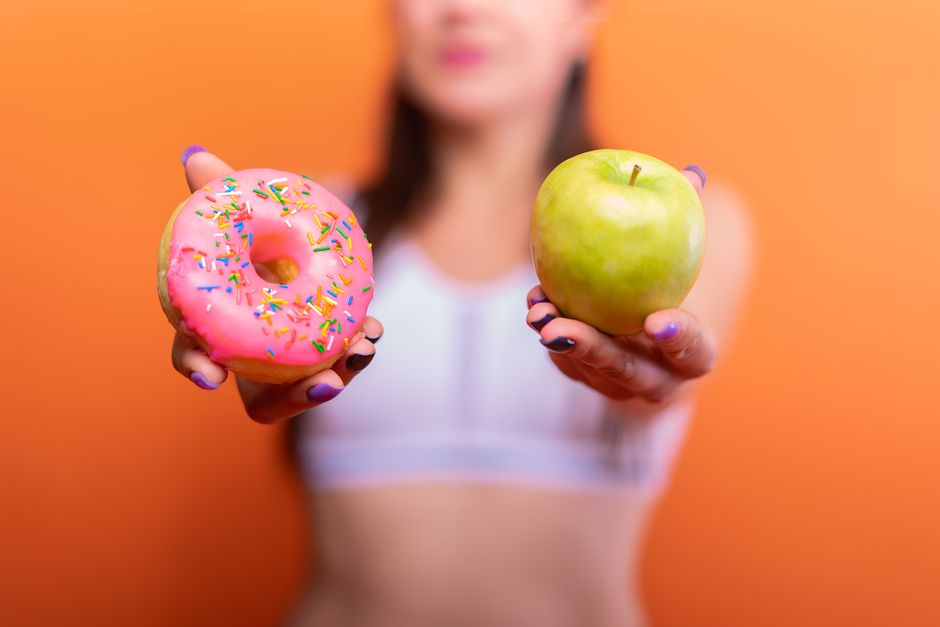
An apple is one of the few snacks that arrives with its own portion control built in — and that wrapper of skin and fiber is doing more work than most people realize.
Yes, apples can be good for weight loss. They are low in calories at roughly 95 calories for a medium fruit, high in fiber and water, and their chewing resistance slows eating. Research consistently shows whole fruit intake, including apples, is linked to lower body weight — but the form matters, since apple juice and dried apples behave very differently.
Most searches about whether apples are good for weight give you a one-line answer and move on. That leaves out the parts that actually decide whether an apple helps or hurts your week: what time of day you eat it, what you pair it with, and the difference between a whole apple and a cup of applesauce.
This article covers the calorie and fiber numbers, how apples affect hunger compared with other snacks, and the mistakes that turn a good food into a stalled scale.
Key Points at a Glance
| Point | What It Means | Why It Matters |
|---|---|---|
| Calories per medium apple | About 95 calories, per USDA data | Low enough to fit almost any calorie target |
| Fiber content | Roughly 4 grams per medium apple, mostly pectin | Fiber slows digestion and supports fullness |
| Whole vs. juice | Whole fruit chews and satisfies; juice does not | Liquid calories rarely register as food |
| Satiety ranking | Apples score high on fullness per calorie in studies | Fewer unplanned snacks later in the day |
| What you pair it with | Protein or fat turns a snack into a meal | Prevents the 3 p.m. crash-and-graze cycle |
Are Apples Good for Weight Loss, and What Do the Numbers Say?
A medium apple with skin delivers about 95 calories, around 4 grams of fiber, and roughly 85% water. That combination — volume plus fiber plus water — is the same trio that shows up again and again in research on foods that satisfy hunger per calorie.
One often-cited study had participants eat either an apple, applesauce, or apple juice before a meal. The whole-apple group ate less at the meal afterward. The juice group ate the most. Same fruit, same sugar, very different result.
Why Does an Apple Keep You Full When Other Snacks Don’t?
Chewing takes time. A whole apple forces you to slow down in a way a granola bar or a handful of crackers does not, and that extra few minutes gives your body time to register fullness. The fiber — particularly pectin — also slows how fast the fruit’s natural sugar reaches your bloodstream.
I keep a bowl of apples on the counter instead of in the crisper drawer. Visible fruit gets eaten; hidden fruit gets forgotten and then thrown out. Small thing, but it changes how often the good choice actually happens.
How Should You Eat Apples to Support Weight Loss?
Eat them whole, with the skin, and pair them with protein or fat when they serve as a snack. An apple alone is fine, but an apple with a tablespoon of peanut butter or a small handful of almonds holds you far longer. That pairing is what keeps a 200-calorie snack from becoming a 500-calorie one an hour later.
Timing matters less than total intake, but a few patterns help. An apple before a meal can take the edge off hunger so you serve yourself less. An apple in the late afternoon can head off the vending machine run. What does not help is treating apples as a free food and eating five a day on top of everything else.
And watch the forms that undo the benefit. Apple juice, applesauce with added sugar, and dried apple rings concentrate calories and strip the chewing resistance. Dried apples in particular run roughly 200 to 250 calories per small handful depending on the brand — easy to eat by the fistful without noticing.
If you want a real number for how many calories you burn in a day, run your stats through the TDEE calculator before you start tweaking snacks. Knowing your maintenance level turns “eat more apples” into an actual plan.
Do Apples Ever Work Against Weight Loss?
Only in specific situations. If you are eating apples in addition to your normal intake rather than instead of something else, the calories still count. And if you are someone who finds fruit triggers more sugar cravings rather than less, that pattern is worth noticing in your own food log.
There is also a common trap: replacing a protein-containing breakfast with nothing but fruit. You will be hungry by 10 a.m., and the evidence on higher-protein breakfasts and appetite control is fairly consistent. Keep the apple — just do not let it be the whole meal.
Frequently Asked Questions
Related Articles
How many calories are in a medium apple?
A medium apple with skin has roughly 95 calories according to USDA data. Smaller apples run closer to 70, and very large ones can reach 120 or more.
Are apples good for weight loss at night?
Yes, an apple in the evening fits a calorie deficit just as well as one at noon. There is no strong evidence that late eating itself causes weight gain — total daily intake is what matters.
Is apple juice as good as a whole apple for weight loss?
No. Juice removes the fiber and the chewing, and studies have found whole apples reduce later intake while juice does not. Choose the whole fruit when you can.
How many apples a day is too many?
There is no established clinical limit on apples specifically. Two a day fits most calorie targets comfortably, but four or five starts crowding out protein and other foods you need.
Do apples burn belly fat?
No single food burns fat, and no strong clinical evidence supports that claim for apples. They help by displacing higher-calorie snacks, which supports an overall deficit.
Should I eat an apple before or after a workout?
Before is usually the better fit, since the carbohydrates are quick fuel and the fiber is gentle enough for most people. After works too if you pair it with protein for recovery.

The TDEECAL Team writes about nutrition, metabolism, and fat loss the way we built our calculator, with real numbers and no hype. We dig into the research so you don’t have to guess.