You see a lot of conflicting claims online, but the research on protein for weight loss is actually quite consistent and straightforward.
A high protein diet for weight loss means consistently eating more protein than the standard recommendation — typically 25–30% of your total daily calories or roughly 0.7–1.0 grams per pound of your body weight. This approach helps preserve muscle while you lose fat, keeps you feeling fuller between meals, and requires slightly more energy for your body to digest compared to carbs or fat. The key is not just adding protein to your current diet but replacing some of your refined carbohydrates and fats with higher-protein alternatives.
Most generic advice tells you to “eat more protein” without explaining how much or what that actually looks like on a plate. This article breaks down the specific numbers, the best food sources, and the common mistakes women make when trying this approach. You will get practical, evidence-based guidance you can use starting with your next meal.
Key Points at a Glance
| Point | What It Means | Why It Matters |
|---|---|---|
| Protein target | 25–30% of daily calories or 0.7–1.0g per pound of body weight | Supports muscle retention and satiety during weight loss |
| Thermic effect | Protein takes 20–30% of its calories just to digest | You net fewer calories from protein than the same amount of carbs or fat |
| Meal distribution | Spread protein across 3–4 meals per day | Improves muscle protein synthesis and appetite control |
| Whole foods first | Lean meats, eggs, dairy, legumes, tofu | Provide nutrients along with protein, unlike powders alone |
How Much Protein Do You Actually Need for Weight Loss?
The standard dietary guideline suggests 0.36 grams of protein per pound of body weight. That number was designed to prevent deficiency in average adults, not to support active weight loss. For women trying to lose weight while maintaining muscle, the evidence consistently points higher — between 0.7 and 1.0 grams per pound of your current body weight.
I have found that most women aiming for weight loss do well starting at the lower end of that range, around 0.7 grams per pound. That means a woman weighing 160 pounds would target roughly 112 grams of protein per day. This is significantly more than most people eat, which is why planning matters. You can calculate your specific needs using a TDEE calculator to get a more personalized number based on your activity level.
What Are the High Protein Diet Foods That Work Best?
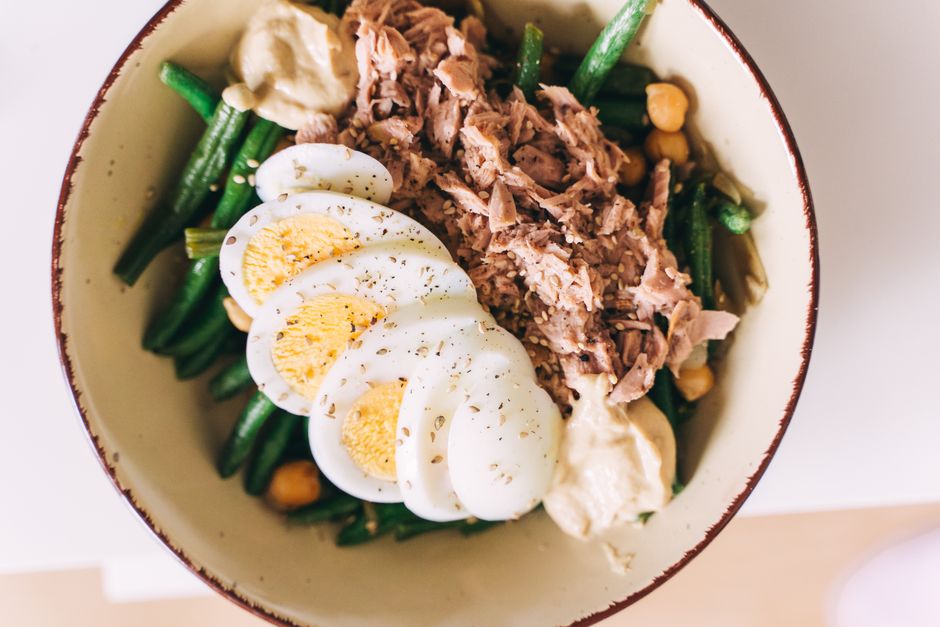
Not all protein sources are equal when you are trying to lose weight. The most effective choices are lean, minimally processed, and naturally high in protein relative to their calorie count. Chicken breast, turkey, egg whites, Greek yogurt, cottage cheese, fish, tofu, lentils, and edamame all fit this description well.
One practical observation I have made over years of cooking this way: a single serving of Greek yogurt at breakfast and a piece of fish or chicken at dinner gets you about halfway to your daily target. The other half needs to come from lunch and snacks. I always keep canned tuna, hard-boiled eggs, and pre-cooked chicken strips in the fridge so I have no excuse to skip protein when hunger hits.
Does Timing of Protein Matter for Weight Loss?
Research suggests that spreading your protein intake evenly across the day is more effective than eating most of it at dinner. Your body uses protein more efficiently for muscle maintenance when you consume it in relatively consistent amounts every 4–5 hours. This also helps keep your appetite steady, reducing the likelihood of evening overeating.
For most women, this means aiming for protein at breakfast, lunch, and dinner, plus possibly a snack. A common pattern I see working well is 30 grams at breakfast, 30 at lunch, 20 as a snack, and 40 at dinner. Adjust the numbers based on your total target, but avoid going more than 5 hours without a protein-containing meal.
What Happens If You Eat Too Much Protein?
Eating more than 1.0 grams per pound of body weight is unlikely to cause harm for healthy women, but it also does not provide additional weight loss benefits. The extra calories from protein still count toward your total daily intake. If you add protein without reducing calories from other sources, you will not lose weight.
Some people experience digestive discomfort, bloating, or mild dehydration when they suddenly increase protein intake. This is usually temporary and improves when you drink more water and include fiber-rich vegetables alongside your protein sources. There is no evidence that high protein diets damage healthy kidneys, but women with existing kidney conditions should check with their doctor before making major changes.
Common Mistakes Women Make on High Protein Diets
The most frequent mistake is relying too heavily on protein bars, shakes, and powders. These products are convenient but often contain added sugars, fillers, and far less protein than the label suggests after processing. Whole food sources provide more nutrients and typically keep you fuller for longer.
Another common error is cutting carbohydrates too drastically. Protein works best alongside moderate amounts of complex carbohydrates like vegetables, whole grains, and legumes. These carbs provide the energy your body needs to use the protein effectively for muscle maintenance. A balanced plate with protein, vegetables, and a small serving of whole grains is more sustainable than a plate of just chicken and broccoli.
Related Articles
Frequently Asked Questions
Can you lose weight on a high protein diet without exercise?
Yes, you can lose weight by eating more protein and fewer total calories even without exercise. However, you will lose more muscle mass without resistance training, which can slow your metabolism over time.
How quickly will I see results on a high protein diet?
Most women notice reduced hunger within the first few days and measurable weight loss within the first two weeks. The rate depends on your calorie deficit, starting weight, and consistency.
Is a high protein diet safe for women over 50?
Yes, it is generally safe and often recommended because protein helps counteract age-related muscle loss. Women over 50 should aim for the higher end of the protein range and ensure adequate calcium intake.
What is the best protein source for weight loss?
Lean poultry, fish, eggs, Greek yogurt, and legumes are all excellent choices because they provide high protein with relatively few calories. Choose a variety to get a wider range of nutrients.
Can I follow a high protein diet if I am vegetarian?
Yes, you can get enough protein from eggs, dairy, tofu, tempeh, edamame, lentils, and seitan. Vegetarian sources often require more planning to reach the same protein targets as animal sources.
Do I need protein supplements to make this diet work?
No, supplements are not necessary and whole food sources are generally better. Protein powder can be a helpful convenience tool but should not replace real food in your diet.

The TDEECAL Team writes about nutrition, metabolism, and fat loss the way we built our calculator, with real numbers and no hype. We dig into the research so you don’t have to guess.