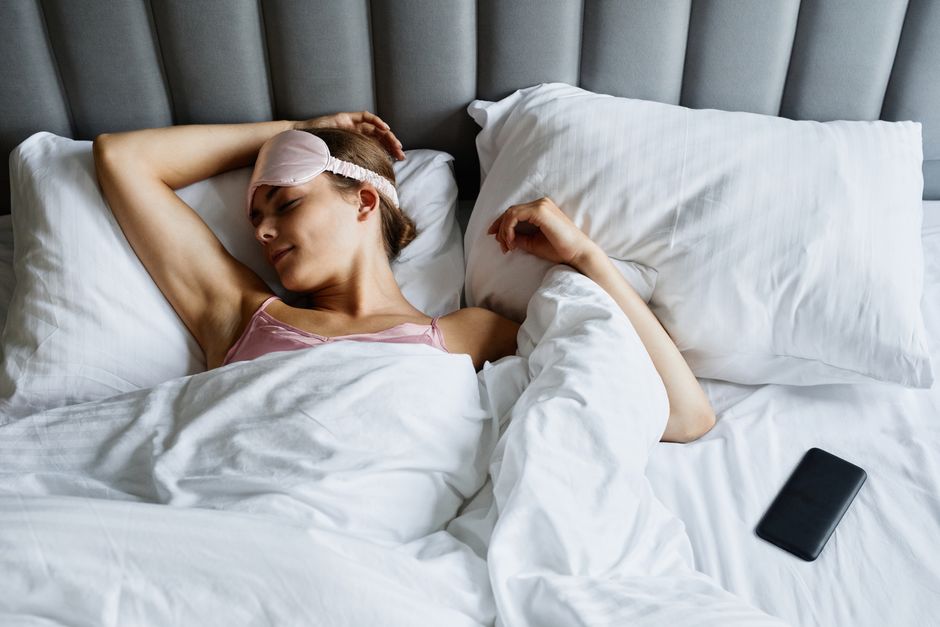
If you’ve ever stuck to a calorie deficit for weeks and watched the scale refuse to budge, your sleep schedule may be part of the story. Most adult women need seven to nine hours of sleep per night, and that range holds whether or not weight loss is the goal. When it comes to how much sleep do women need for weight loss specifically, the answer is the same: seven to nine hours, with research linking short sleep to stronger hunger signals, more cravings, and slower progress on fat loss.
That direct answer surprises people who expect a magic number tied to dieting. But sleep isn’t a weight loss trick. It’s a biological requirement that shapes appetite hormones, food choices, and how much energy you have to move your body.
Generic search results often promise that one extra hour of sleep will melt pounds. The evidence doesn’t support that. What it does support is a clear pattern: women who consistently sleep less than seven hours tend to eat more, choose more calorie-dense foods, and lose proportionally less fat when they diet.
This article covers what the research actually shows, why women’s sleep needs shift across life stages, and how to use sleep as a realistic part of your plan. No hype. No promises. Just what’s known.
Key Points at a Glance
| Point | What It Means | Why It Matters |
|---|---|---|
| Sleep range for adult women | Seven to nine hours per night | This is the range linked to better appetite regulation and metabolic health |
| Short sleep and appetite | Under seven hours raises ghrelin and lowers leptin | You feel hungrier and less satisfied after eating |
| Sleep and fat loss | Short sleepers lose more lean mass in some studies | You want to lose fat, not muscle |
| Sleep quality vs. quantity | Both matter, especially after 40 | Hormonal shifts and night waking affect women differently |
Why Does Sleep Affect Weight Loss at All?
Sleep is when your body regulates two hormones that control hunger: ghrelin, which signals “eat,” and leptin, which signals “full.” Research published in the Annals of Internal Medicine found that when people were sleep-restricted, ghrelin rose and leptin fell, and participants reported significantly more hunger. The effect was measurable after just a few nights of short sleep.
Sleep loss also nudges food choices. Some studies suggest that when people are tired, they reach for higher-calorie, higher-sugar foods more often. And that makes sense. When you’re exhausted, a granola bar beats chopping vegetables. I hear this from readers constantly — the 3 p.m. crash that turns into a vending machine visit.
How Much Sleep Do Women Need for Weight Loss Across Life Stages?
The seven-to-nine-hour range applies to most adult women, but sleep needs and sleep quality shift with age and hormones. Perimenopause and menopause often bring night sweats, hot flashes, and fragmented sleep. That means a woman might spend eight hours in bed but get closer to six hours of actual sleep.
Pregnancy and the postpartum period are their own category. Sleep is often disrupted, and calorie needs change. No established clinical guideline ties a specific sleep number to weight loss during pregnancy or breastfeeding, so follow your OB’s guidance rather than a generic target. And if you’re in eating disorder recovery, sleep and food rules deserve professional support, not self-tracking.
Does Sleeping More Actually Help You Lose Weight?
The evidence is mixed on whether adding sleep directly causes weight loss. Some studies indicate that extending sleep in short sleepers reduced calorie intake without any deliberate dieting. But results vary, and no strong clinical evidence currently supports sleep as a standalone weight loss method.
What the research does show is that sleep and diet interact. A study published in the American Journal of Clinical Nutrition found that sleep-deprived dieters lost less fat and more lean muscle than well-rested dieters eating the same calories. That’s a meaningful difference if your goal is to change body composition, not just the number on the scale.
Here’s the practical takeaway. Sleep won’t replace a calorie deficit. But protecting your sleep makes the deficit easier to stick to, and it may help you keep more muscle while you lose fat. Use the TDEE calculator to set your calorie target — then treat sleep as the foundation that makes that target workable.
What Gets in the Way of Sleep for Women 35 to 65?
Hormonal changes top the list. Declining estrogen is linked to more night waking and hot flashes, which fragment sleep. Stress and caregiving responsibilities — kids, aging parents, work — add another layer. And many women push sleep to the bottom of the list, treating it as optional.
Caffeine and alcohol matter more than people expect. A glass of wine may help you fall asleep faster, but it disrupts the second half of the night. I always tell readers to test a two-week caffeine cutoff at 2 p.m. — the difference in sleep quality is often noticeable.
Related Articles
Frequently Asked Questions
How many hours of sleep do women need to lose weight?
Most adult women need seven to nine hours per night, and that range supports weight loss by helping regulate appetite hormones. Sleeping under seven hours is linked to higher hunger and more cravings.
Does lack of sleep slow down your metabolism?
Some studies suggest short sleep can modestly lower resting energy expenditure, though the effect is smaller than most people assume. The bigger impact is on appetite and food choices, not metabolism itself.
Is it better to sleep more or eat less for weight loss?
Both matter, but a calorie deficit drives weight loss while sleep supports adherence and body composition. No strong clinical evidence supports sleep alone as a weight loss method.
Can poor sleep cause weight gain around the middle?
Some research links short sleep to increased abdominal fat storage, particularly in people already eating in a calorie surplus. The relationship is real but not the sole cause of midsection weight gain.
Does sleep quality matter as much as sleep duration?
Yes — fragmented sleep can affect appetite regulation even when total hours look adequate. Women in perimenopause and menopause often get fewer restorative hours despite time in bed.
Should I nap to make up for lost sleep?
Short naps of 20 to 30 minutes can help with alertness, but long or late naps may make nighttime sleep harder. If you’re consistently short on sleep, fixing the nighttime schedule matters more than napping.
Sleep isn’t a shortcut. It’s a foundation. Get the seven to nine hours, protect it like you protect your calorie target, and let the rest of your plan do its job.

The TDEECAL Team writes about nutrition, metabolism, and fat loss the way we built our calculator, with real numbers and no hype. We dig into the research so you don’t have to guess.