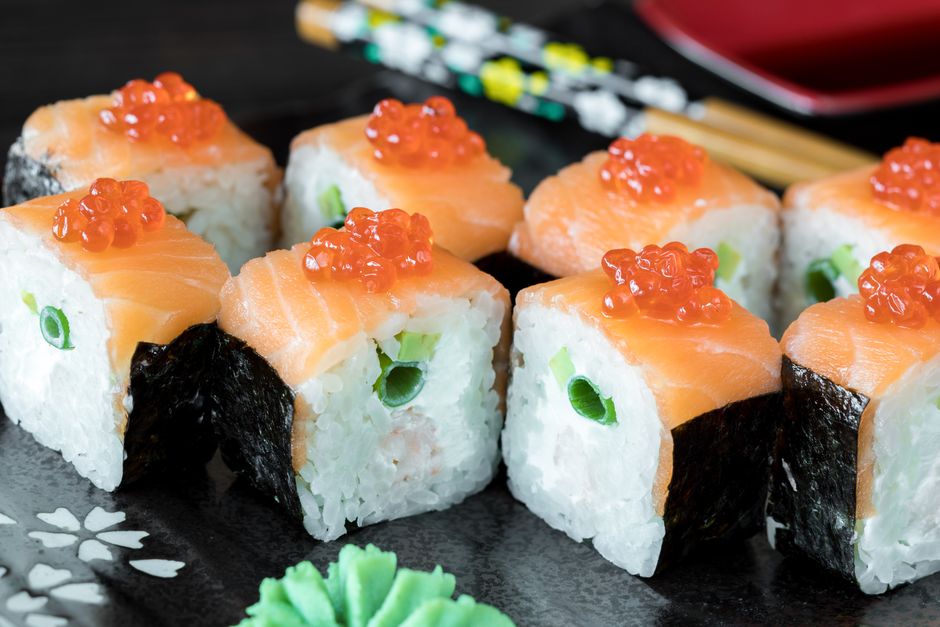
Japan has one of the lowest obesity rates in the developed world — roughly 4–5% of adults, compared with about 42% in the United States. That gap is why so many American women trying to lose weight keep circling back to the same question.
What is the Japanese diet? It is a traditional eating pattern built around vegetables, rice, fish, soy foods, and green tea, with small portions of meat and very little added sugar or processed food. It is not a formal weight-loss program, and no single “Japanese diet” plan exists. The pattern is defined by balance, variety, and portion control rather than restriction.
That distinction matters. Much of what Americans see labeled “Japanese diet” online is not the everyday food of Japanese households. It is a cleaned-up marketing version. The real pattern includes white rice, salty seasonings, and fried foods like tempura — just in smaller amounts and less often.
This article covers what the research actually supports, what the traditional pattern looks like on a plate, and where the hype outruns the evidence. You will also find honest limits, because no eating pattern works the same for everyone.
Key Points at a Glance
| Point | What It Means | Why It Matters |
|---|---|---|
| It is a pattern, not a diet plan | No official rules, calorie targets, or phases | You adapt it to your life instead of following a script |
| Portion size drives results | Smaller plates, smaller servings, more dishes | Calorie intake drops without tracking every bite |
| Fish and soy replace much red meat | Lower saturated fat, more plant protein | Supports heart health alongside weight goals |
| Vegetables appear at every meal | Volume and fiber with few calories | Helps you feel full on less |
| It is not low-carb | Rice is a staple, not a villain | You do not need to cut carbs to lose weight |
What Does the Traditional Japanese Diet Actually Look Like?
The classic structure is called ichiju-sansai — one soup, three dishes. A typical meal centers on rice, then adds a soup, a protein dish, and two vegetable dishes. That structure naturally spreads food across many small bowls instead of one loaded plate.
Common foods include miso soup, grilled fish, tofu, natto, seaweed, pickled vegetables, green tea, and seasonal produce. Meat appears, but usually as a flavoring or a small side rather than the centerpiece. And dessert is fruit, not a daily event.
One cook’s note from years of making miso soup: the salt adds up fast. I use about half the miso most recipes call for and let the dashi and vegetables carry the flavor.
Is What Is the Japanese Diet for Weight Loss Effective?
Evidence indicates the traditional Japanese pattern is linked to lower body weight and lower rates of obesity-related disease. Large observational studies following Japanese adults over many years have found that people who stick closer to the traditional pattern tend to weigh less and have better metabolic markers.
But here is the honest caveat. Most of this research is observational, which means it shows correlation, not proof of cause. People who eat this way may also walk more, sleep better, and eat fewer packaged foods overall.
What the evidence does support clearly is the mechanism: smaller portions, more vegetables, more fish, and less added sugar all reduce calorie intake. Those effects are real regardless of what you call the pattern.
How Do You Adapt It to an American Kitchen?
You do not need specialty groceries. Frozen fish, shelf-stable tofu, bagged coleslaw mix, and plain rice get you most of the way. The pattern tolerates shortcuts well.
Start with one meal a day built on the one-soup-three-dishes shape. Keep the other meals normal. Research consistently shows that sustainable changes beat dramatic overhauls, and most people who lose weight and keep it off did it gradually.
Also skip the “Japanese diet” products sold online. Green tea extract capsules and matcha blends have no strong clinical evidence supporting weight loss on their own.
If you want a starting calorie estimate for your own body, run your numbers through our TDEE Calculator before you change how you eat.
What Does the Japanese Diet Not Do?
It does not eliminate carbs, and it does not promise fast results. Anyone telling you otherwise is selling something. Japanese cuisine also includes fried foods, white rice, and salty sauces — the difference is frequency and quantity, not purity.
And no eating pattern overrides energy balance. If you eat more calories than you burn, you will not lose weight, no matter how traditional the food is. The Japanese diet works because it makes a calorie deficit easier to sustain, not because it breaks biology.
Related Articles
Frequently Asked Questions
What is the Japanese diet in simple terms?
It is a traditional eating pattern built around rice, vegetables, fish, soy foods, and green tea, with small portions and little processed food. It emphasizes variety and balance rather than restriction.
Can the Japanese diet help you lose weight?
Evidence suggests it can support weight loss because it naturally reduces calorie intake through smaller portions and more vegetables. However, most supporting research is observational rather than from controlled trials.
Do you have to give up rice on the Japanese diet?
No. Rice is a staple of the traditional pattern and is eaten at most meals in modest portions. The portion size matters more than the rice itself.
Is the Japanese diet high in sodium?
Yes, traditional Japanese food can be high in salt from miso, soy sauce, and pickled vegetables. If you have high blood pressure, reduce those seasonings and use herbs or citrus instead.
How long does it take to see results?
There is no standard timeline, and results depend on your overall calorie intake and activity level. Most sustainable weight loss happens gradually over weeks and months, not days.
Is the Japanese diet safe for everyone?
It is generally a balanced pattern, but anyone with kidney disease, thyroid conditions, or on restricted diets should check with their doctor first. Raw fish and high-sodium foods are not appropriate for everyone.

The TDEECAL Team writes about nutrition, metabolism, and fat loss the way we built our calculator, with real numbers and no hype. We dig into the research so you don’t have to guess.