Are Bread Good for Weight Loss? The Honest Answer
Bread is often the first food people cut when trying to lose weight, yet many popular diets include it without issue. The real question isn’t whether bread is good or bad — it’s about the type, portion, and what you eat with it.
Are bread good for weight loss? Yes, bread can absolutely fit into a weight loss plan when you choose whole grain varieties, watch portion sizes, and pair them with protein and fiber. The problem isn’t bread itself — it’s the refined white bread that spikes blood sugar and leaves you hungry an hour later. Whole grain bread provides fiber, B vitamins, and steady energy that actually supports satiety.
Most weight loss advice treats all bread the same, which is a mistake. A slice of fluffy white bread and a slice of dense seeded whole grain bread behave very differently in your body. This article covers what the research actually says about bread and weight, how to choose the right loaf, and practical ways to keep bread in your diet without derailing your progress.
Key Points at a Glance
| Point | What It Means | Why It Matters |
|---|---|---|
| Type of bread | Whole grain beats refined white | Fiber slows digestion and controls hunger |
| Portion size | One to two slices per serving | Bread calories add up quickly |
| Pairing | Add protein and healthy fats | Prevents blood sugar spikes |
| Calorie tracking | Bread fits any calorie budget | Total daily intake drives weight loss |
| Reading labels | Check fiber and ingredient list | Many “wheat” breads are mostly refined flour |
What Does the Research Say About Bread and Weight Loss?
Research consistently shows that whole grain consumption is linked to lower body weight and reduced belly fat. A review of studies published in the American Journal of Clinical Nutrition found that people who ate more whole grains weighed less and had smaller waist measurements than those who ate mostly refined grains.
The mechanism is straightforward. Whole grains retain the bran and germ, which contain fiber that slows digestion. That fiber keeps you full longer and reduces the likelihood of overeating later in the day. Refined grains, by contrast, are stripped of these components, leaving mostly starch that digests quickly and spikes blood sugar.
Some studies suggest that simply swapping refined grains for whole grains can support weight loss without cutting calories. One study found that participants who replaced refined grains with whole grains lost more abdominal fat over 12 weeks, even when total calories stayed the same.
I always tell people to check the ingredient list before the nutrition label. If the first ingredient says “enriched wheat flour,” it’s refined bread wearing a healthy disguise. True whole grain bread lists “whole wheat” or “whole grain” as the first ingredient.
How Many Calories Are in Bread?
A standard slice of commercial whole wheat bread contains roughly 80 to 100 calories. White bread is similar, typically 70 to 90 calories per slice. Artisan breads, sourdough, and specialty loaves can range from 120 to 200 calories per slice depending on ingredients and density.
The variation matters more than you might think. Two slices of dense multigrain bread might cost you 300 calories, while two slices of standard sandwich bread run about 180 calories. Neither is “bad” — but knowing the difference helps you make informed choices.
For weight loss, the key is fitting bread into your total daily calorie target. If you’re eating 1,500 calories per day, two slices of bread at 200 calories represents about 13 percent of your intake. That’s reasonable if the rest of your meals are nutrient-dense.
Which Bread Is Best for Weight Loss?
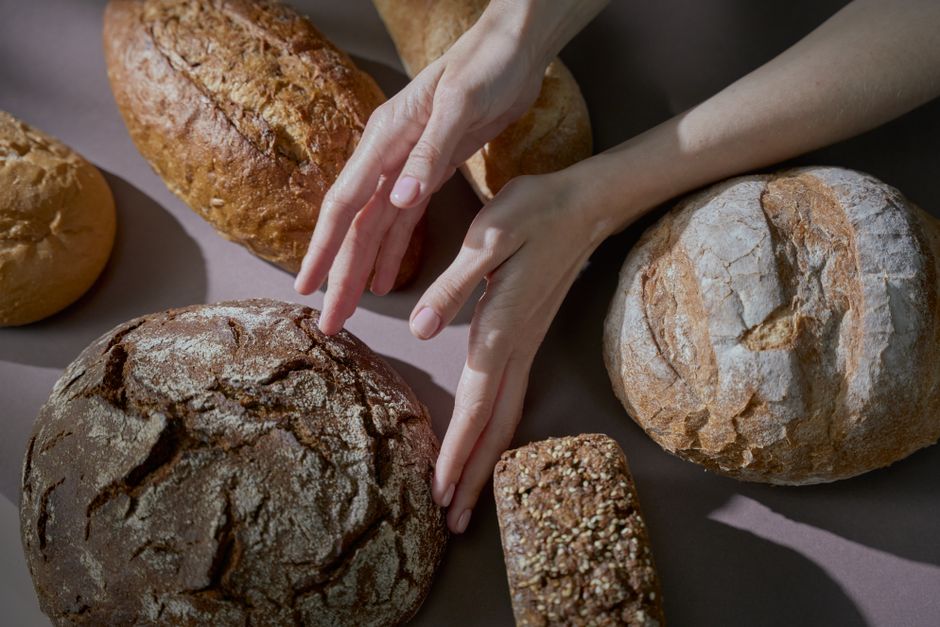
Whole grain bread with at least 3 grams of fiber per slice is the best choice for weight loss. Look for breads where the first ingredient is a whole grain, not enriched flour. Sourdough is another option worth considering — the fermentation process may lower its glycemic response compared to regular white bread.
Here’s what to look for when choosing bread:
- At least 3 grams of fiber per slice
- First ingredient is a whole grain
- Less than 200 milligrams of sodium per slice
- No added sugars in the ingredient list
- Short ingredient list — fewer additives means less processing
Rye bread and pumpernickel are also solid choices. They’re typically made with whole grains and have a lower glycemic index than white bread. Some research suggests rye bread keeps you fuller longer than wheat bread, possibly due to its higher fiber content and unique carbohydrate structure.
Are Bread Good for Weight Loss When You Track Calories?
Yes, bread fits into any calorie-controlled diet. The research is clear that weight loss comes down to maintaining a calorie deficit — eating fewer calories than your body burns. No specific food, including bread, automatically prevents weight loss.
What matters is how bread affects your overall eating pattern. A sandwich with whole grain bread, lean protein, and vegetables can be a satisfying meal that keeps you full for hours. A bagel with cream cheese, by contrast, delivers more calories with less protein and fiber, leaving you hungry sooner.
The practical approach is to use a calorie calculator to determine your maintenance needs and target deficit. Then build meals around protein, vegetables, and whole grains — including bread — within that budget. Many people successfully lose weight while eating bread every single day.
I’ve found that clients who allow themselves bread in moderation stick to their plans longer than those who ban it completely. The forbidden food effect is real — restriction often leads to overeating later.
How to Eat Bread Without Gaining Weight
The way you eat bread matters as much as the bread itself. Pairing bread with protein and fat slows digestion and prevents the blood sugar spike that leads to cravings. A slice of whole grain toast with eggs and avocado will keep you full far longer than the same toast with jam.
Portion control is straightforward: stick to one or two slices per meal. A sandwich with two slices of bread is a reasonable serving. A foot-long sub with three to four servings of bread is where calories creep in.
Consider open-faced sandwiches to cut bread calories in half while keeping the fillings. Use one slice instead of two and load up on vegetables, lean protein, and a smear of avocado or hummus. You’ll barely notice the missing slice.
Timing matters too. Some research suggests eating most of your carbohydrates earlier in the day may support weight management, though the evidence is mixed. What’s more important is total daily intake rather than specific timing.
Frequently Asked Questions
Related Articles
Is bread bad for losing belly fat?
No single food targets belly fat, including bread. Whole grain bread fits into a calorie deficit that reduces overall body fat, including abdominal fat.
Can I eat bread every day and still lose weight?
Yes, you can eat bread daily and lose weight if you stay within your calorie target. Choose whole grain varieties and watch portions.
What bread has the fewest calories?
Light breads and thin-sliced varieties typically contain 40 to 50 calories per slice. These are lower in calories but also lower in fiber and nutrients.
Is sourdough bread good for weight loss?
Sourdough may be a good choice because fermentation lowers its glycemic response. It digests more slowly than white bread, which helps with fullness.
How many slices of bread can I eat a day on a diet?
One to two slices per day works for most people in a calorie deficit. Your exact amount depends on your total calorie target and what else you eat.
Does toasting bread reduce calories?
Toasting does not change the calorie content of bread. It only removes water, making the bread lighter but not lower in calories.
For a more accurate picture of how bread fits into your daily calorie needs, use our TDEE Calculator to determine your maintenance calories and ideal deficit range.

The TDEECAL Team writes about nutrition, metabolism, and fat loss the way we built our calculator, with real numbers and no hype. We dig into the research so you don’t have to guess.