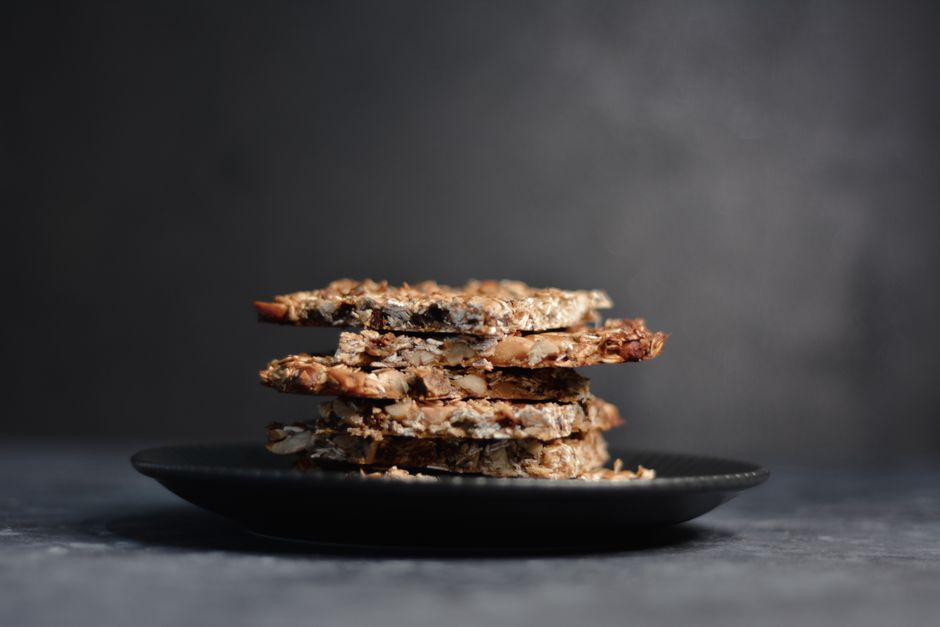
Are Chewy Bars Good for Weight Loss?
Most chewy granola bars are not designed for weight loss. They are processed snacks that often contain as much sugar as a candy bar, despite looking healthy on the outside.
The honest answer is that chewy bars are good for weight loss only if they fit your daily calorie budget and keep you full. Most popular brands fail at that second part. A typical chewy bar has roughly 100 to 200 calories, but many contain 7 to 12 grams of added sugar and very little protein or fiber. That combination leaves you hungry an hour later, which often leads to eating more calories overall.
This article breaks down what the research actually says about snack bars and weight management. You will learn how to read labels like a nutritionist, which ingredients matter, and how to decide if a chewy bar belongs in your routine. We will also cover protein bars, fiber content, and practical ways to use bars without sabotaging your progress.
Key Points at a Glance
| Point | What It Means | Why It Matters |
|---|---|---|
| Calorie density | Most bars pack 100–200 calories into a small portion | Easy to overeat without feeling full |
| Sugar content | Many bars contain 7–12g of added sugar | Spikes blood sugar and increases cravings later |
| Protein and fiber | Bars with 10g+ protein and 5g+ fiber are more filling | Helps control hunger between meals |
| Whole food comparison | An apple with peanut butter is often more satisfying | Whole foods cost less and keep you fuller |
What Makes a Chewy Bar Good or Bad for Weight Loss?
The difference comes down to three numbers: calories, protein, and fiber. A bar with 150 calories, 10 grams of protein, and 5 grams of fiber can genuinely help with weight loss. It provides enough substance to bridge the gap between meals without blowing your calorie budget.
A bar with 150 calories, 2 grams of protein, and 1 gram of fiber is essentially dessert in disguise. Your body digests it quickly, blood sugar rises, and you feel hungry again within an hour. Research consistently shows that protein and fiber are the two nutrients most tied to satiety, which is the feeling of fullness that keeps you from overeating later.
I always check the ingredient list before the nutrition panel. If sugar appears in the first three ingredients, I put the bar back on the shelf. That simple habit filters out most of the products that pretend to be health food.
How Many Calories Are in Chewy Bars?
Most chewy granola bars range from 90 to 200 calories per bar. The exact number depends on the brand, size, and ingredients. Chocolate-coated varieties tend to land at the higher end, while simple oat and honey bars sit closer to 100 calories.
The serving size matters more than you might think. Some bars look like one serving but contain two bars in the package. If you eat both, you are doubling the calories without realizing it. Always check the label for “servings per container” before you decide how many calories you are actually consuming.
For weight loss, a chewy bar can work as a planned snack of 150 calories or fewer. The problem appears when people grab a bar as a “free” snack on top of their regular meals. Those extra 150 calories per day add up to roughly 1.5 pounds per month, which can erase your progress.
Are Chewy Bars Good for Weight Loss Compared to Other Snacks?
Compared to a candy bar, a chewy granola bar is usually the better choice. Most granola bars have slightly more fiber and protein than chocolate bars, and they often contain oats, which are a whole grain. That said, the difference is smaller than most people assume.
Compared to whole foods, chewy bars usually lose. A medium apple with a tablespoon of peanut butter provides about 150 calories, 4 grams of fiber, and more volume than most bars. The extra chewing time and water content help you feel full with fewer calories. Some studies suggest that whole foods with higher water content increase satiety more than processed snacks with identical calories.
The evidence on snacking for weight loss is mixed. Some research shows that planned snacks help control hunger and prevent overeating at meals. Other studies indicate that snacking adds calories without reducing meal intake, which leads to weight gain over time. The key variable is whether the snack actually fills you up.
What About Protein Bars and Fiber Bars?
Protein bars are a different category from chewy granola bars. They typically contain 15 to 25 grams of protein and range from 180 to 300 calories. For weight loss, protein bars can be useful because protein is the most satiating macronutrient. Some research suggests that higher protein snacks reduce subsequent food intake more than high-carb or high-fat snacks.
Fiber bars, often marketed for digestive health, usually contain 5 to 12 grams of fiber. Fiber slows digestion and helps stabilize blood sugar, which supports appetite control. However, some fiber bars use chicory root fiber, which can cause bloating and gas in sensitive people. Start with a small amount to see how your body responds.
The important caution is that protein and fiber bars are still processed foods. They are not inherently better than whole food snacks just because they contain more of a specific nutrient. A protein bar can be a convenient tool, but it is not a replacement for a balanced diet.
No strong clinical evidence currently supports the idea that any specific snack bar directly causes weight loss. Bars are only tools for managing calories and hunger. If they help you stay within your calorie target, they work. If they trigger cravings or lead to overeating, they do not.
Frequently Asked Questions
Related Articles
Are chewy bars good for weight loss if I eat them every day?
Chewy bars can fit into a daily weight loss plan if they are under 150 calories and contain at least 10 grams of protein. Eating one daily is fine, but relying on them for multiple snacks each day usually adds too many calories.
What is the best chewy bar for weight loss?
The best bar has at least 10 grams of protein, 3 grams of fiber, and no more than 8 grams of sugar. Look for whole food ingredients like oats, nuts, and seeds listed first on the label.
Can chewy bars cause weight gain?
Chewy bars can cause weight gain if you eat them in addition to your regular meals without adjusting your calorie intake. Most bars contain 100 to 200 calories, and eating extra calories consistently leads to weight gain over time.
Are granola bars the same as chewy bars?
Granola bars are a broader category that includes both chewy and crunchy varieties. Chewy bars are softer and often contain more added sugar or syrup to hold them together.
How many chewy bars can I eat in a day for weight loss?
Most people can include one chewy bar per day as a planned snack without disrupting weight loss. Eating more than one bar usually adds unnecessary calories and sugar to your daily total.
Should I eat a chewy bar before or after exercise?
A chewy bar can work as a quick pre-workout snack about 30 minutes before exercise if it is low in fat and easy to digest. After a workout, a bar with higher protein content helps with muscle recovery and hunger control.
To see exactly how many calories you need for weight loss, use the TDEE Calculator to find your maintenance number and subtract a modest amount for sustainable progress.

The TDEECAL Team writes about nutrition, metabolism, and fat loss the way we built our calculator, with real numbers and no hype. We dig into the research so you don’t have to guess.