Are Fulfill Bars Good for Weight Loss? Here’s What the Evidence Shows
Fulfill bars are marketed as high-protein snacks with added vitamins, but the real question is whether they actually help with weight loss. The honest answer is that **Fulfill bars can be useful for weight loss, but only if they fit within your daily calorie budget and you treat them as a snack, not a meal replacement**. They are not a magic solution, and their effectiveness depends entirely on how you use them.
Many women get stuck because they assume a “protein bar” is automatically healthy or filling. The truth is that Fulfill bars contain around 180 to 200 calories each, depending on the flavor, and while they offer a decent protein boost, they also contain sweeteners and fats that add up quickly. This article breaks down the actual nutrition, how they compare to other snacks, and whether they genuinely help control hunger without derailing your progress.
Key Points at a Glance
| Point | What It Means | Why It Matters |
|---|---|---|
| Calorie Content | Roughly 180–200 calories per bar | Fits a snack budget if you track portions |
| Protein Amount | About 15–20 grams per bar | Helps with satiety but not a meal replacement |
| Sugar Alcohols | Contains sweeteners like maltitol | Can cause digestive discomfort in some people |
| Nutritional Role | Convenient snack, not a diet solution | Works best alongside a balanced eating plan |
What Is Actually in a Fulfill Bar?
Fulfill bars are designed to be high in protein and fiber while keeping sugar relatively low. A typical bar contains a blend of milk protein, soy protein, and sometimes collagen, which gives it that substantial texture. The exact numbers vary by flavor, but most bars land around 180 to 200 calories, 15 to 20 grams of protein, and 3 to 5 grams of fiber.
The catch is the sweetener profile. Most flavors use maltitol or other sugar alcohols to keep sugar content low without sacrificing taste. These ingredients are not harmful in moderation, but they can cause bloating or digestive upset if you eat them regularly. I always check the label for the specific sweetener used, because some people tolerate maltitol much better than others.
Are Fulfill Bars Good for Weight Loss Compared to Other Snacks?
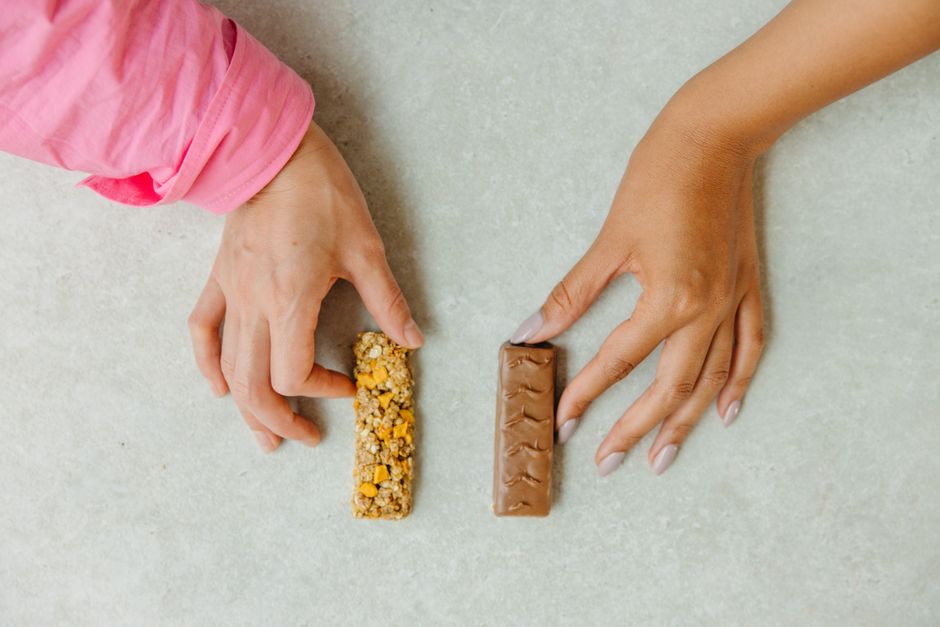
Compared to a candy bar or a bag of chips, a Fulfill bar is generally a smarter choice because it offers more protein and fiber for roughly the same calories. That combination helps keep you fuller for longer, which can reduce the urge to snack again an hour later. Some studies suggest that higher-protein snacks improve appetite control compared to high-carb or high-fat snacks, though results vary by individual.
But here is the honest part: a Fulfill bar is not dramatically better than a handful of almonds and a piece of fruit. Both options provide similar calories and satiety, but the whole food option also gives you more micronutrients and fewer processed ingredients. The bar wins on convenience and portability, which matters if you are constantly on the go.
How Many Calories Should You Budget for a Fulfill Bar?
If your daily calorie target for weight loss is around 1,400 to 1,600 calories, a 200-calorie bar represents a significant portion of your intake. That is fine if you plan for it, but it becomes a problem if you eat the bar on top of your regular meals without adjusting anything else. I have seen many people stall because they added a “healthy” bar without accounting for those extra calories.
The best approach is to treat a Fulfill bar as a planned snack, not an emergency food. Eat it between meals when you are genuinely hungry, and skip it on days when your meals are already balanced. This keeps your total daily intake in check while still giving you the convenience of a portable protein source.
Can Fulfill Bars Replace a Meal for Weight Loss?
No, Fulfill bars are not designed to replace a full meal, and using them that way can backfire. A single bar provides only about 200 calories, which is far below what most women need for a satisfying breakfast or lunch. Replacing a 400-calorie meal with a 200-calorie bar might create a short-term deficit, but it often leads to intense hunger later and overeating at the next meal.
Research consistently shows that very low-calorie meal replacements work only when they are part of a structured plan with medical supervision. For most people, a more sustainable approach is to pair a Fulfill bar with a piece of fruit or a small salad to create a balanced snack or light meal. This gives you enough volume and nutrients to stay satisfied without blowing your calorie budget.
Frequently Asked Questions
Related Articles
Are Fulfill bars good for weight loss every day?
Eating one daily is fine as long as it fits your calorie target. The issue is not the bar itself but whether you account for it in your total intake.
Do Fulfill bars cause bloating?
Some people experience bloating due to sugar alcohols like maltitol. If you notice digestive discomfort, try a different flavor or reduce how often you eat them.
How much protein is in a Fulfill bar?
Most flavors contain 15 to 20 grams of protein per bar. This is a solid amount for a snack but not enough to replace a meal.
Are Fulfill bars good for weight loss compared to protein shakes?
Both can work, but bars are more portable while shakes are easier to digest. Choose whichever fits your lifestyle and calorie budget.
Can I eat a Fulfill bar before a workout?
Yes, eating one about 30 minutes before exercise provides steady energy. The protein also supports muscle recovery afterward.

The TDEECAL Team writes about nutrition, metabolism, and fat loss the way we built our calculator, with real numbers and no hype. We dig into the research so you don’t have to guess.