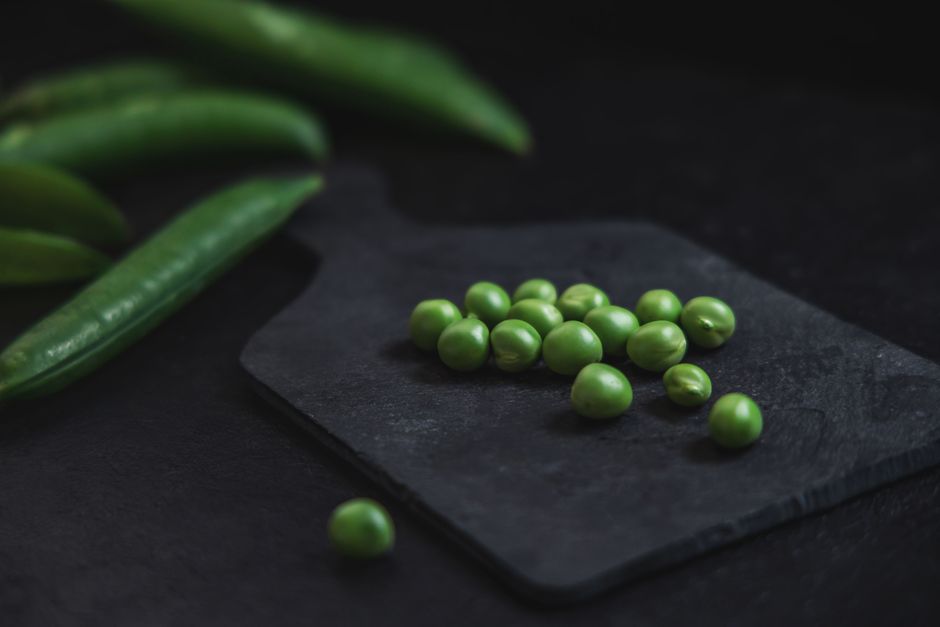
You have probably heard conflicting advice about peas. Some say they are too starchy for weight loss, while others call them a superfood. The truth is more straightforward than most people think.
Yes, are green peas good for weight loss? The short answer is yes. Green peas are low in calories — about 80 per half cup — and high in protein and fiber. That combination helps you feel full on fewer calories, which supports weight loss when eaten as part of a balanced diet.
Most online advice gives generic “eat more veggies” or “avoid starchy vegetables” lines. But peas sit in a middle zone that deserves a closer look. This article breaks down the actual evidence, gives you calorie facts, and explains how to use peas in a weight loss plan without guesswork.
Key Points at a Glance
| Point | What It Means | Why It Matters |
|---|---|---|
| Calorie density | About 80 calories per half cup cooked | Low enough for weight loss, high enough to keep you satisfied |
| Protein content | 4 grams per half cup | Higher than most vegetables, helps preserve lean muscle |
| Fiber | 4 grams per half cup | Slows digestion and reduces hunger between meals |
| Glycemic impact | Moderate GI (around 51) | Does not spike blood sugar when eaten with protein or fat |
| Portion control | Easy to overeat | Measure half cup — double that adds 80 extra calories |
How Many Calories Are in Green Peas?
One half cup of cooked green peas has roughly 80 calories. That is about the same as a medium apple but with more protein and fiber. The exact number varies slightly by brand and preparation — frozen unsalted peas are nearly identical to fresh.
A full cup of peas jumps to 160 calories. That is still reasonable for a vegetable, but worth tracking if you are aiming for a specific daily calorie target. I always measure my peas before adding them to a dish — eyeballing an extra half cup is easy when they are mixed in with other foods.
Cook’s note: I add frozen peas to stir-fries and soups at the very end. They only need a minute to heat through, and they stay bright green and firm instead of turning mushy.
Are Green Peas Good for Weight Loss?
Yes, green peas support weight loss when used in place of higher-calorie foods. Their protein and fiber content makes them more filling than carrots or zucchini. One study published in the journal Nutrients found that a higher fiber intake from legumes was linked to lower body weight and less belly fat over time.
The key is portion control. Half a cup adds volume to a meal without adding many calories. Many women find that swapping part of their rice or pasta for peas reduces total calories without making them feel deprived. That practical swap is where peas really earn their place in a weight loss plan.
What About the Carbs in Peas?
Green peas contain about 14 grams of carbohydrates per half cup. That is higher than non-starchy vegetables like broccoli or spinach. But only about 6 grams are sugar — the rest is fiber and complex carbohydrates that digest slowly.
For anyone following a lower-carb or ketogenic diet, half a cup of peas might use up a significant portion of your daily carb allowance. But for most women eating a balanced weight loss diet, the fiber and protein payoff outweighs the carb count. If you are diabetic or prediabetic, pairing peas with a source of protein or fat — like chicken or olive oil — helps blunt any blood sugar rise.
How to Add Green Peas to Meals Without Overdoing It
The simplest way is to replace a higher-calorie starch with peas. Use half the usual rice and add a half cup of peas. Or toss a handful into salads for extra texture and staying power. I keep a bag of frozen peas in the freezer at all times — they work in everything from omelets to pasta dishes.
Another easy approach is to mash peas lightly with a fork and use them as a spread on whole-grain toast or as a base for a quick dip. That adds protein and fiber without much effort. Avoid cream sauces or heavy butter — those add calories fast and cancel out the benefit.
Cook’s note: I mash frozen peas with a splash of lemon juice and a pinch of salt. It takes two minutes and makes a surprisingly good sandwich spread or side dish.
Can Peas Cause Weight Gain if You Eat Too Many?
Any food can contribute to weight gain if you eat past your calorie needs. Peas are no exception. A cup of peas has about 160 calories, and two cups is 320 calories — that is similar to a small meal.
But the risk is low because peas are bulky and fibrous. It is hard to overeat them without noticing. The bigger concern is adding high-calorie sauces or cooking them in butter. Keep preparation simple and measure your serving until you get a feel for what half a cup looks like.
Frequently Asked Questions
Related Articles
Are green peas or broccoli better for weight loss?
Broccoli has fewer calories per cup, but peas offer more protein and fiber per serving. Both are fine — the best choice depends on what makes you feel full.
Do green peas count as a vegetable or a starch?
Nutritionally, peas straddle both categories. They are a legume with a starch content similar to potatoes, but they also provide vegetable-like vitamins and minerals.
Can I eat green peas on a low-carb diet?
Yes, in small portions. Half a cup fits easily into a moderately low-carb plan, but strict keto dieters may need to limit them to occasional use.
Are frozen peas as healthy as fresh?
Frozen peas are nutritionally similar to fresh and often more convenient. They are picked at peak ripeness and flash-frozen, locking in most nutrients.
How many calories do peas add to a meal?
A half-cup serving adds about 80 calories. That is a small enough amount to fit into most weight loss meal plans without trouble.
Do peas cause bloating?
Some people experience gas from peas because they contain fermentable fibers called FODMAPs. If you are sensitive, start with a quarter cup and see how you feel.
For more help planning your calories and macros, use the TDEE Calculator to find your exact maintenance number. Then you can adjust your portions of peas — and everything else — with confidence.

The TDEECAL Team writes about nutrition, metabolism, and fat loss the way we built our calculator, with real numbers and no hype. We dig into the research so you don’t have to guess.