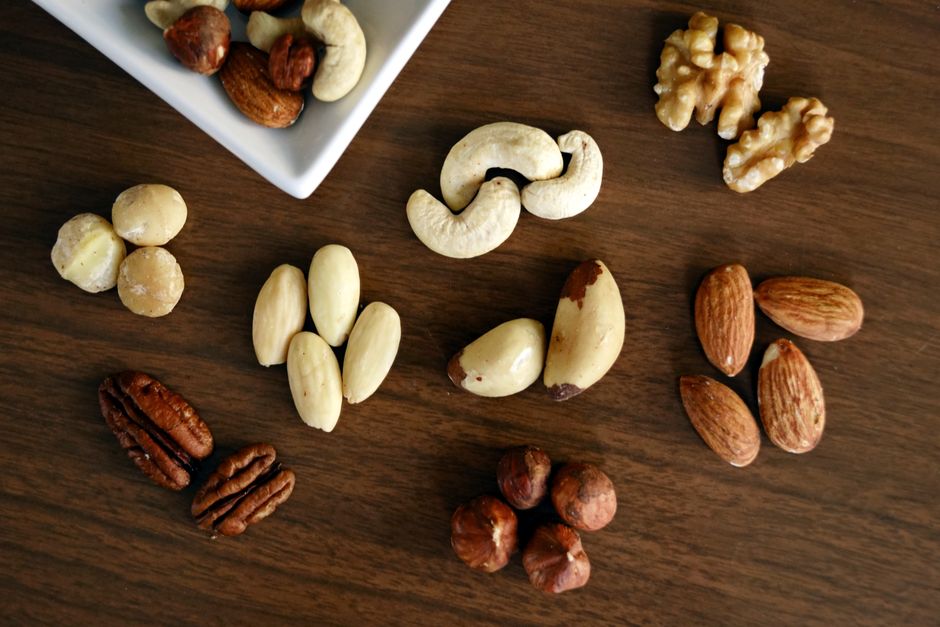
If you’re trying to lose weight, you’ve likely wondered whether grabbing a handful of nuts helps or hurts your progress. The short answer is yes: are nuts a good snack for weight loss when eaten in controlled portions, because they provide protein, fiber, and healthy fats that keep you full longer. But the catch is that nuts are calorie-dense, so portion size matters a lot. This article breaks down the evidence on how nuts affect weight loss, which types are best, and how to avoid common pitfalls that trip people up.
Many women hit a wall when they start snacking on nuts without measuring them. It’s easy to eat several servings in one sitting without realizing it. The goal here is to give you practical, evidence-aware strategies so you can enjoy nuts without derailing your goals.
Key Points at a Glance
| Point | What It Means | Why It Matters |
|---|---|---|
| Calorie density | Nuts have about 160–200 calories per ounce (about 23 almonds). | Easy to overeat without measuring; portion control is essential. |
| Protein and fiber | One ounce of almonds has 6 grams protein and 3.5 grams fiber. | Helps reduce hunger between meals, which supports calorie control. |
| Healthy fats | Most nuts are rich in monounsaturated and polyunsaturated fats. | May improve heart health and blood sugar stability when replacing processed snacks. |
| Nutrient absorption | Some vitamins (like vitamin E) are fat-soluble and need fat to be absorbed. | Pairing nuts with vegetables can boost nutrient intake. |
| Weight loss studies | Observational studies link nut consumption to lower body weight over time. | Evidence suggests nuts don’t cause weight gain when eaten in moderation. |
What Does the Evidence Say About Nuts and Weight Loss?
Research on nuts and weight loss is mixed but generally positive. A 2019 systematic review in BMJ Nutrition, Prevention & Health found that people who ate nuts regularly had lower body weight and less abdominal fat compared to those who didn’t. However, the effect was small — about 1–2 pounds over several years. The key mechanism is likely satiety: nuts take longer to chew and digest, which signals fullness to your brain.
I always keep a small kitchen scale near my snack drawer. Weighing out one ounce of almonds takes 10 seconds and prevents me from eating three servings without noticing. This small habit makes a big difference.
Another factor is that some of the calories in nuts may not be fully absorbed. The cell walls of nuts are tough, and chewing doesn’t always break them down completely. This means you might absorb fewer calories than the label says — though the exact amount varies by nut type and how much you chew.
Are Nuts a Good Snack for Controlling Hunger?
Yes, are nuts a good snack for managing hunger between meals. The combination of protein (6–9 grams per ounce), fiber (2–4 grams), and fat (14–18 grams) slows digestion and stabilizes blood sugar. This can prevent the energy crash that leads to reaching for sugary snacks later.
One study from 2013 in the Journal of Nutrition found that people who ate almonds as a mid-morning snack reported less hunger and ate fewer calories at lunch. But this effect isn’t guaranteed for everyone. Some people find nuts don’t fill them up much — especially if they eat them quickly without water or other foods.
Practical tip: Pair nuts with a piece of fruit or a vegetable. The extra volume and water content can increase fullness without adding many calories. For example, 10 almonds with an apple is a satisfying 150-calorie snack.
Which Nuts Are Best for Weight Loss?
All nuts have similar calorie counts per ounce, but some offer more protein and fiber per serving. Almonds, pistachios, and walnuts top the list. Almonds have the most fiber (3.5 grams per ounce) and protein (6 grams). Pistachios are lower in calories per nut because you get more pieces per ounce — about 49 pistachios versus 23 almonds — which can make them feel more satisfying.
Walnuts are unique because they contain alpha-linolenic acid (ALA), a plant-based omega-3 fat. Some research suggests ALA may help reduce inflammation and support metabolic health. However, strong clinical evidence that walnuts directly cause weight loss is still limited. The same caution applies to Brazil nuts: they are very high in selenium, and eating more than 2–3 per day can lead to toxicity over time.
I personally prefer almonds because they’re easy to portion and don’t go rancid as quickly as walnuts. But I rotate nuts every few weeks to get different nutrients. There’s no single “best” nut — the best one is the one you’ll eat in moderation consistently.
Common Mistakes People Make With Nuts
The biggest mistake is eating nuts straight from a large bag or container. Without measuring, it’s easy to eat 3–4 ounces in one sitting, which adds up to 600–800 calories. That’s enough to offset the calorie deficit you need for weight loss. Always pre-portion nuts into small bags or containers.
Another mistake is choosing roasted and salted nuts over raw. Roasted nuts often have added oils that increase calorie content, and salt can lead to water retention and bloating. If you prefer roasted nuts, look for dry-roasted varieties with no added oil or salt. You can also roast raw nuts at home with a light spray of oil and your own spices.
Finally, don’t rely on nuts as your only snack. Variety matters for overall nutrition. Rotate nuts with other protein-rich snacks like Greek yogurt, hard-boiled eggs, or edamame to get a wider range of nutrients.
How to Fit Nuts Into Your Daily Calorie Goal
To include nuts without going over your calorie target, plan them into your daily intake. If your goal is 1,500 calories per day, one ounce of nuts (about 160–200 calories) is a reasonable snack. You can also use nuts as a topping for oatmeal or yogurt to add crunch and protein.
Use our TDEE Calculator to find your maintenance calories and subtract 300–500 calories for weight loss. Then decide where nuts fit. For example, if your daily target is 1,600 calories, a 180-calorie nut snack leaves you 1,420 calories for meals. This approach keeps you in control rather than guessing.
Related Articles
Frequently Asked Questions
Can nuts cause weight gain?
Yes, if you eat them in large amounts without accounting for calories. But in controlled portions, nuts are not linked to weight gain in studies.
How many nuts should I eat per day for weight loss?
One ounce per day is a common recommendation — about 23 almonds, 49 pistachios, or 14 walnut halves. This provides around 160–200 calories.
Are roasted nuts less healthy than raw nuts?
Roasted nuts can be less healthy if they have added oils or salt. Dry-roasted or raw nuts are better choices for weight loss.
Do nuts burn belly fat specifically?
No food targets belly fat directly. But replacing processed snacks with nuts may help reduce overall body fat over time.
Can I eat nuts if I have a nut allergy?
No, avoid all nuts if you have an allergy. Seeds like pumpkin seeds or sunflower seeds are safe alternatives with similar nutrition.
Should I avoid nuts if I have high cholesterol?
No, nuts are actually beneficial for heart health. The unsaturated fats in nuts can help lower LDL cholesterol when eaten in moderation.

The TDEECAL Team writes about nutrition, metabolism, and fat loss the way we built our calculator, with real numbers and no hype. We dig into the research so you don’t have to guess.