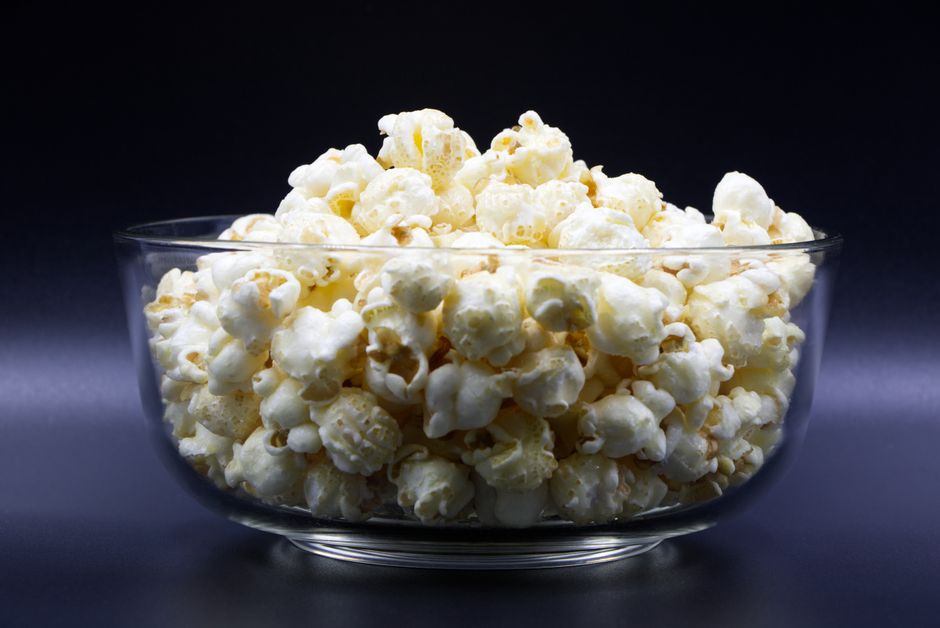
When you’re trying to lose weight, finding a crunchy snack that fits your calorie budget can feel like a search for a needle in a haystack. Most chips are out, but popcorners — a popped corn chip — have become a popular alternative.
So, are popcorners good for weight loss? The short answer is yes, they can be — but only if you pay close attention to portions and ingredients. Popcorners are lower in calories and fat than traditional potato chips, with about 110–130 calories and 1–2 grams of saturated fat per serving. However, they are still a processed snack made from corn, oil, and salt, and eating more than one serving can quickly undo their advantages.
This article breaks down the nutritional facts, compares popcorners to other snacks, and explains how to fit them into a weight loss plan without sabotaging your progress. We’ll look at what the evidence actually says, not what the marketing claims.
I’ve tested several brands and flavors myself, and I’ll share exactly what I found — including one surprising thing that caught me off guard.
Key Points at a Glance
| Point | What It Means | Why It Matters |
|---|---|---|
| Calories per serving | 110–130 calories per 1 oz (about 28g) serving | Lower than most potato chips (150–160 calories) |
| Fat content | 1–2g saturated fat per serving | Much less than fried snacks like potato chips |
| Fiber and protein | 1–2g fiber, 2–3g protein per serving | Low compared to whole-food snacks like nuts or popcorn |
| Processing level | Made from corn, oil, salt — still a processed snack | Not a whole food; easy to overeat |
| Portion control | Single-serving bags help, but larger bags are risky | Mindless eating can add 300+ calories fast |
What Are Popcorners Made Of?
Popcorners are made by heating corn kernels under pressure until they pop, then baking them into a chip shape. The base ingredients are simple: corn, sunflower or canola oil, and salt. Flavored varieties add seasonings like cheddar, sea salt, or kettle corn.
Unlike traditional potato chips that are fried in oil, popcorners are baked. This cuts the fat content roughly in half. A 1-ounce serving of regular potato chips has about 10 grams of fat, while popcorners have around 4–5 grams. That is a meaningful difference for anyone tracking daily fat intake.
I was surprised to find that the “sea salt” flavor has the fewest ingredients — just corn, oil, and salt. The flavored versions add sugar and artificial ingredients, which I personally avoid when I’m trying to lose weight.
How Do Popcorners Compare to Other Snacks for Weight Loss?
When you compare popcorners to other common snacks, they land somewhere in the middle. They are better than potato chips, tortilla chips, and cheese puffs because they have fewer calories and less fat. But they are not as filling as air-popped popcorn, which has more fiber and volume for the same calories.
One serving of air-popped popcorn (about 3 cups) has roughly 90 calories and 3–4 grams of fiber. A serving of popcorners gives you about 1 cup and only 1 gram of fiber. The extra volume from popcorn helps you feel fuller longer, which is a key factor in weight loss. So while popcorners are a decent option, they are not the most satiating choice.
Practical tip: If you want a crunchy snack, try mixing one serving of popcorners with a cup of raw vegetables like cucumber or bell pepper. This adds volume and fiber without many extra calories.
Are Popcorners Good for Weight Loss — The Real Answer
Yes, popcorners can fit into a weight loss plan, but they work best when you treat them as a controlled indulgence rather than a free-for-all snack. The key is portion size. A single 1-ounce serving is about 110–130 calories, which is reasonable for a snack. But the bag itself often contains 3–4 servings, and it is very easy to eat the whole thing without realizing it.
I have done this myself more times than I want to admit. One afternoon I opened a family-size bag thinking I would have “just a handful,” and before I knew it, I had eaten half the bag — roughly 400 calories. That is the same as a small meal. So if you buy popcorners, buy the single-serving bags or portion them out ahead of time.
Another issue is the sodium. Some flavors, especially “sea salt,” can have 200–300 mg of sodium per serving. If you eat multiple servings, that adds up quickly. High sodium intake can cause water retention, which may make the scale go up temporarily — and that can be discouraging when you are trying to lose weight.
How to Use Popcorners in a Weight Loss Diet
If you decide to include popcorners in your diet, here are a few strategies that actually work based on my experience and what the evidence suggests.
First, always pair them with a source of protein or fiber. Eating popcorners alone will spike your blood sugar and leave you hungry again in an hour. Try having them with a hard-boiled egg, a handful of almonds, or a small apple. This balances the snack and keeps you satisfied longer.
Second, never eat directly from the bag. Portion out one serving into a bowl and put the bag away. If the bag is in front of you, you will eat more. This is a well-known behavioral pattern called the “portion size effect,” and it applies to almost every snack.
Third, check the ingredient list. Some flavored varieties contain sugar, maltodextrin, or artificial flavors that add empty calories. The plain sea salt version is usually the best choice for weight loss because it has the fewest additives.
Finally, use a TDEE Calculator to find your daily calorie needs. Once you know your maintenance calories, you can decide if a 120-calorie snack fits into your deficit. For most women trying to lose weight, a snack of 100–150 calories is perfectly fine — as long as you account for it.
Common Mistakes People Make With Popcorners
One mistake is assuming that because popcorners are “healthier” than chips, you can eat unlimited amounts. That is not true. Calories still count, and popcorners are calorie-dense. A 1-ounce serving is only about 20 chips, which is not a lot. Most people eat double that without thinking.
Another mistake is choosing sweet flavors like “kettle corn” or “caramel.” These varieties often have added sugar — sometimes 5–8 grams per serving. That is almost two teaspoons of sugar. If you are trying to lose weight, added sugar is something you want to minimize because it provides empty calories and can trigger cravings.
I made this mistake myself. I bought a bag of kettle corn thinking it was a treat, but after checking the label, I realized it had as much sugar as a cookie. I switched to sea salt and never looked back.
Related Articles
Frequently Asked Questions
Are popcorners good for weight loss compared to potato chips?
Yes, popcorners are better than potato chips for weight loss because they have fewer calories and less fat. But they are still a processed snack and should be eaten in moderation.
How many calories are in a serving of popcorners?
A standard 1-ounce serving of popcorners contains about 110–130 calories. Always check the label because flavored varieties may have slightly more.
Can I eat popcorners every day while dieting?
You can eat popcorners daily if you stick to one serving and account for the calories in your overall plan. But they are not very filling, so you may feel hungry sooner than with a whole-food snack.
What is the healthiest popcorners flavor for weight loss?
The sea salt flavor is the healthiest choice because it has the fewest ingredients and no added sugar. Flavored varieties like cheddar or kettle corn often contain extra calories and additives.
Do popcorners cause bloating or water retention?
Popcorners can cause bloating if you eat multiple servings because they are high in sodium. Stick to one serving and drink plenty of water to minimize this effect.
Are popcorners gluten-free?
Yes, popcorners are made from corn and are naturally gluten-free. However, always check the label if you have celiac disease, as some flavors may be processed in facilities that handle wheat.

The TDEECAL Team writes about nutrition, metabolism, and fat loss the way we built our calculator, with real numbers and no hype. We dig into the research so you don’t have to guess.