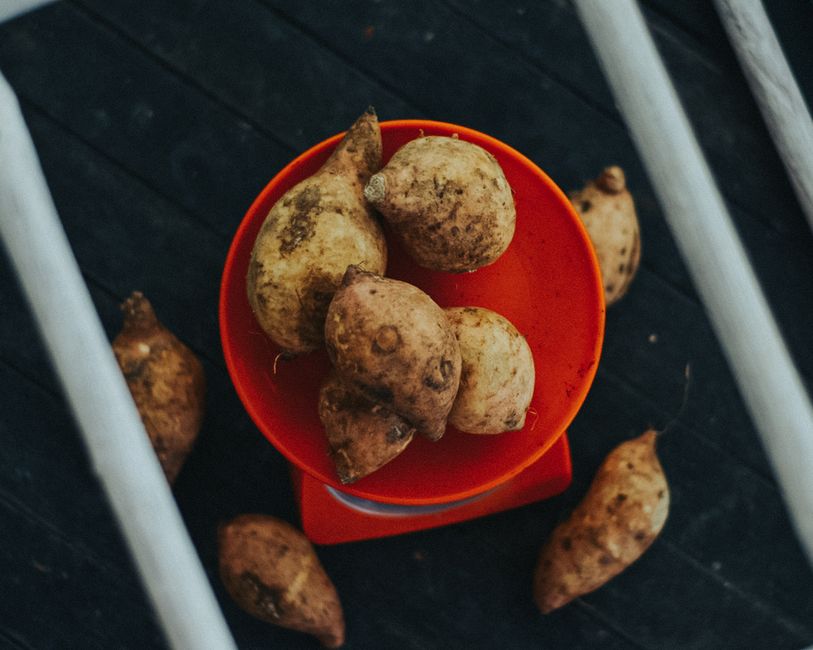
Are Sweet Potatoes Better Than Regular Potatoes for Weight Loss?
Both potatoes can fit into a weight loss plan. The honest answer is that neither is inherently better for weight loss when calories are equal. The real difference comes down to how you prepare them, what you add to them, and which one keeps you satisfied longer.
Key Points at a Glance
| Point | What It Means | Why It Matters |
|---|---|---|
| Calorie difference | Nearly identical per serving | Weight loss depends on total calories, not potato type |
| Glycemic index | Sweet potatoes score lower | May cause a slower blood sugar rise after eating |
| Fiber content | Sweet potatoes have slightly more | More fiber can help you feel full longer |
| Vitamin A | Sweet potatoes are much higher | Important for immune function and eye health |
| Preparation matters most | Frying either potato adds significant calories | Boiling or roasting keeps both options diet-friendly |
Do Sweet Potatoes and Regular Potatoes Differ in Calories?
A medium baked sweet potato with the skin has roughly 100 to 110 calories. A medium baked russet potato has about 160 calories. That difference is small enough that it rarely makes a meaningful impact on weekly weight loss progress.
The more important number is what you put on top. Butter, sour cream, cheese, or oil can add 100 to 300 calories to either potato. A plain boiled potato of either type is a low-calorie food that supports a calorie deficit.
I always weigh my potatoes before cooking. The size difference between “small” and “medium” at the grocery store can change the calorie count by 50 percent or more.
Are Sweet Potatoes Better Than Regular Potatoes for Blood Sugar Control?
Sweet potatoes have a lower glycemic index than white potatoes. This means they generally cause a slower and smaller rise in blood sugar after a meal. Some research suggests this difference may help with appetite control throughout the day.
But the glycemic index only tells part of the story. How you cook the potato matters just as much. Boiling either potato lowers its glycemic response compared to baking or roasting. Cooling a cooked potato afterward also changes its starch structure in ways that may blunt blood sugar impact.
The evidence is mixed on whether these blood sugar differences translate into meaningful weight loss advantages. Some studies suggest lower glycemic foods help with satiety, while others find the effect too small to matter when total calories are controlled.
Which Potato Keeps You Fuller for Longer?
Both potatoes score high on the satiety index, a measure of how full a food makes you feel. Boiled potatoes of either type consistently rank among the most filling foods researchers have tested.
Sweet potatoes offer slightly more fiber per serving, which slows digestion and prolongs fullness. They also contain more water, which adds volume without adding calories. These small differences may help some people eat less overall during the day.
The protein content is nearly identical between the two. Both provide about 2 to 3 grams per medium potato, which is modest but still contributes to your daily total.
I find that eating the skin makes a real difference in how satisfied I feel afterward. The skin holds much of the fiber, and removing it cuts that benefit nearly in half.
What About Vitamins and Minerals?
Sweet potatoes are dramatically higher in vitamin A. A single medium sweet potato provides more than 400 percent of your daily vitamin A needs in the form of beta-carotene. White potatoes provide almost none.
Regular potatoes win on potassium. They contain more potassium per serving than sweet potatoes, which supports blood pressure regulation and muscle function. Both potatoes provide vitamin C and B vitamins in useful amounts.
For weight loss, these nutrient differences matter indirectly. When you eat nutrient-dense foods, you get more vitamins and minerals per calorie. This helps your body function well while you maintain a calorie deficit, which supports consistent energy and recovery.
The practical takeaway is simple. Eat both potatoes throughout the week. Variety gives you a broader range of nutrients than choosing one exclusively.
How Should You Prepare Potatoes for Weight Loss?
Boiling, steaming, or roasting with minimal oil keeps either potato in weight-loss territory. Air-frying is another solid option that uses very little oil while giving you a crispy texture.
Frying either potato in oil roughly doubles its calorie density. A serving of french fries can contain 300 to 400 calories, while the same weight of boiled potato has about 100. This is where the potato type matters less than the cooking method.
Seasoning is your best friend. Garlic powder, paprika, rosemary, or a squeeze of lemon add flavor without adding meaningful calories. Salt is fine in moderation unless your doctor has told you otherwise.
Frequently Asked Questions
Related Articles
Are sweet potatoes better than regular potatoes for weight loss?
Neither potato is inherently better for weight loss when portion sizes and preparation are equal. Sweet potatoes offer slightly more fiber and vitamin A, while regular potatoes have more potassium and a similar calorie count.
How many calories are in a sweet potato?
A medium baked sweet potato with skin contains roughly 100 to 110 calories. The exact number depends on size and cooking method.
Can you eat potatoes every day while losing weight?
Yes, you can eat potatoes daily and still lose weight as long as you stay in a calorie deficit. The key is controlling portions and avoiding high-calorie toppings like butter and cheese.
Does boiling potatoes reduce their calories?
Boiling does not change the calorie count of the potato itself. It does keep calories low because you are not adding fat during cooking.
Are sweet potatoes good for people with diabetes?
Sweet potatoes have a lower glycemic index than white potatoes, which means a slower blood sugar response. Portion size still matters, and you should talk to your doctor about how potatoes fit into your meal plan.
Which potato has more protein?
Regular potatoes and sweet potatoes have nearly identical protein content. Both provide roughly 2 to 3 grams per medium potato.
Use our TDEE Calculator to find your daily calorie target for weight loss. Knowing your number makes it easier to fit either potato into your plan without guesswork.

The TDEECAL Team writes about nutrition, metabolism, and fat loss the way we built our calculator, with real numbers and no hype. We dig into the research so you don’t have to guess.