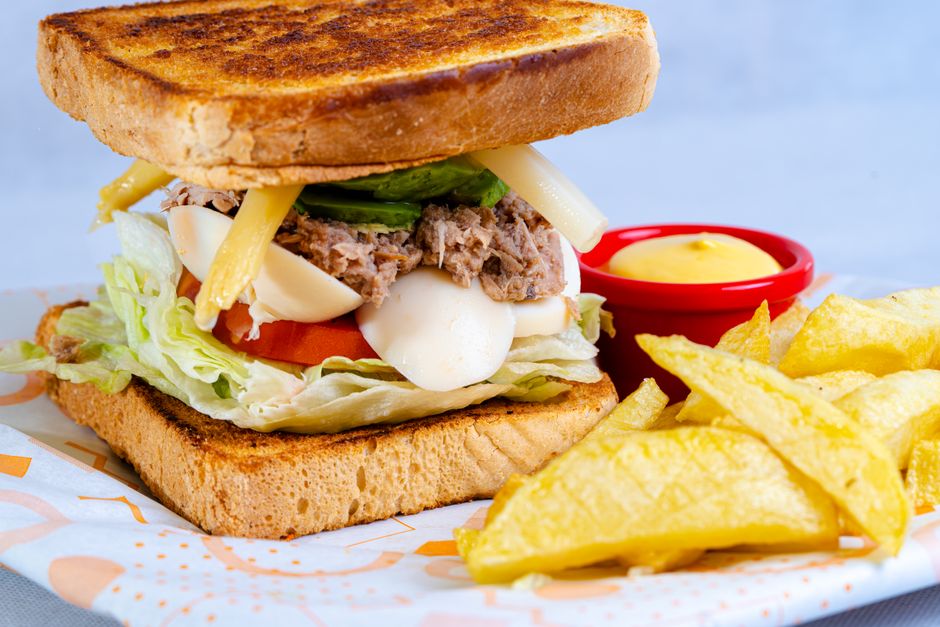
Most people assume a tuna melt is a diet disaster because of the melted cheese and buttered bread. The truth is more complicated, and the answer depends entirely on how you build it.
Are tuna melts good for weight loss? Yes, a tuna melt can fit into a weight loss plan when you control portions and choose lighter ingredients. A standard deli tuna melt runs roughly 500 to 700 calories, but a homemade version can come in around 350 to 450 calories while still delivering 25 to 30 grams of protein. The key is balancing the tuna salad base, the bread, and the cheese so the meal keeps you full without blowing your daily calorie budget.
Most weight loss advice focuses on cutting foods you enjoy, which is why so many people give up within weeks. Tuna melts are one of those foods that seem off-limits, but they don’t have to be. This article breaks down what actually makes a tuna melt work for weight loss, what to watch out for, and how to build one that fits your calorie target.
Generic search results will tell you to “just eat less” or swap everything for lettuce wraps. That advice ignores the fact that a satisfying meal you actually look forward to is what keeps you consistent long-term. Here is the real breakdown of calories, protein, and smart swaps, plus honest answers about whether this sandwich deserves a spot in your rotation.
Key Points at a Glance
| Point | What It Means | Why It Matters |
|---|---|---|
| Calorie range | 350 to 700 calories depending on ingredients | Homemade versions fit weight loss budgets; deli versions often do not |
| Protein content | 25 to 30 grams per sandwich | Protein supports fullness and preserves muscle during weight loss |
| Hidden calorie sources | Mayonnaise, butter, and thick bread add 200+ calories | Small swaps cut calories without sacrificing taste |
| Portion control | One sandwich can be a full meal | Pair with vegetables instead of chips to stay in your calorie range |
Are Tuna Melts Good for Weight Loss When You Count Calories?
Tuna melts can absolutely work for weight loss because they deliver protein and fat in a satisfying package. Canned tuna packed in water provides roughly 100 to 120 calories and 20 to 25 grams of protein per 3-ounce serving, according to USDA data. That protein helps you feel full for hours, which is the main reason this sandwich can outperform a lower-calorie but less filling meal.
The problem is rarely the tuna itself. It is the mayonnaise, the butter on the bread, and the generous layer of cheese that push the calorie count up. A typical recipe uses two to three tablespoons of mayo at about 90 to 100 calories per tablespoon, plus a tablespoon of butter at roughly 100 calories, and an ounce of cheddar at about 110 calories. Those add-ons can double the calorie count of the sandwich before you even consider the bread.
My own rule in the kitchen is simple: I swap half the mayo for plain Greek yogurt. It cuts about 50 calories per tablespoon and you honestly cannot taste the difference once the cheese melts over it.
How Many Calories Are in a Tuna Melt?
A homemade tuna melt made with one can of tuna, one tablespoon of mayo, one slice of cheese, and two slices of whole wheat bread comes to roughly 400 to 450 calories. That number assumes you skip the butter or use a light spray on the pan. If you use two tablespoons of mayo and butter both sides of the bread, the same sandwich jumps to 550 to 600 calories.
A restaurant or deli tuna melt is a different story. Most are made with generous tuna salad, thick sourdough or rye bread, and extra cheese, which puts them in the 600 to 800 calorie range. Some versions with added bacon or avocado can exceed 900 calories. That is not automatically a dealbreaker, but it is a large portion of a typical 1,500 to 1,800 calorie weight loss budget.
For context, a 500-calorie tuna melt with 30 grams of protein is a better weight loss choice than a 400-calorie meal of plain pasta with 8 grams of protein. The tuna melt keeps you full longer, which means you are less likely to snack an hour later. That fullness factor is what makes the tuna melt a practical tool rather than a cheat meal.
What Are the Best Weight Loss Swaps for a Tuna Melt?
The smartest swaps target the highest calorie ingredients first. Use light mayonnaise or mix it with Greek yogurt to cut 50 to 100 calories. Choose one slice of cheese instead of two, or use a reduced-fat slice that melts well. Toast the bread in a dry pan or use a light cooking spray instead of butter to save another 80 to 100 calories.
Bread choice matters more than most people realize. Two slices of standard white bread add roughly 150 calories with little protein or fiber. Two slices of whole grain bread add similar calories but provide 4 to 6 grams of fiber and more protein, which improves satiety. If you want to cut more, an open-faced version with one slice of bread saves about 80 calories while keeping most of the satisfaction.
I have tested this dozens of times in my own kitchen, and the open-faced version with a sprinkle of paprika on top is the one I keep coming back to. It feels like a treat, not a diet food, and the calorie savings add up over a week of lunches.
What About the Mercury Concerns With Tuna?
Tuna contains mercury, and that is a legitimate consideration for how often you eat tuna melts. Canned light tuna is lower in mercury than albacore or white tuna, according to the FDA. The general guidance for adults is to limit albacore tuna to about one 4-ounce serving per week, while light tuna can be eaten more frequently.
For weight loss purposes, eating a tuna melt two to three times per week using light tuna is reasonable for most healthy adults. Pregnant women, nursing mothers, and young children have stricter limits and should follow official guidance from their healthcare provider. If you eat tuna more often than that, consider alternating with salmon, chicken, or plant-based protein sources.
No established clinical guideline exists for an exact weekly tuna limit for weight loss specifically. The mercury guidance is about general health, not calorie control. If you are concerned, choose light tuna and vary your protein sources throughout the week.
Frequently Asked Questions
Related Articles
Can I eat a tuna melt every day while losing weight?
Eating a tuna melt daily is fine for calorie control, but mercury exposure becomes a concern with high intake of albacore tuna. Choose light tuna and limit albacore to about one serving per week for most adults.
Is a tuna melt healthier than a chicken sandwich?
A tuna melt is generally lower in saturated fat than a fried chicken sandwich, but similar to a grilled chicken sandwich. The tuna version provides more omega-3 fatty acids, which support heart health.
What bread is best for a weight loss tuna melt?
Whole grain bread with at least 3 grams of fiber per slice is the best choice for weight loss. It provides more protein and fiber than white bread, which helps you feel full longer.
How much protein is in a tuna melt?
A standard tuna melt with one can of tuna and one slice of cheese provides roughly 25 to 30 grams of protein. This amount supports muscle maintenance and satiety during weight loss.
Should I use oil-packed or water-packed tuna?
Water-packed tuna is the better choice for weight loss, saving about 50 to 70 calories per serving. Oil-packed tuna has more flavor, but the extra calories come from fat that adds little satiety benefit.
Use our TDEE Calculator to find your daily calorie target, then build your tuna melt to fit within that number. That simple step turns a seemingly indulgent sandwich into a reliable weight loss meal.
Calculate your maintenance calories first, then subtract 300 to 500 calories for weight loss. A tuna melt around 400 calories fits easily into most weight loss plans without leaving you hungry.

The TDEECAL Team writes about nutrition, metabolism, and fat loss the way we built our calculator, with real numbers and no hype. We dig into the research so you don’t have to guess.