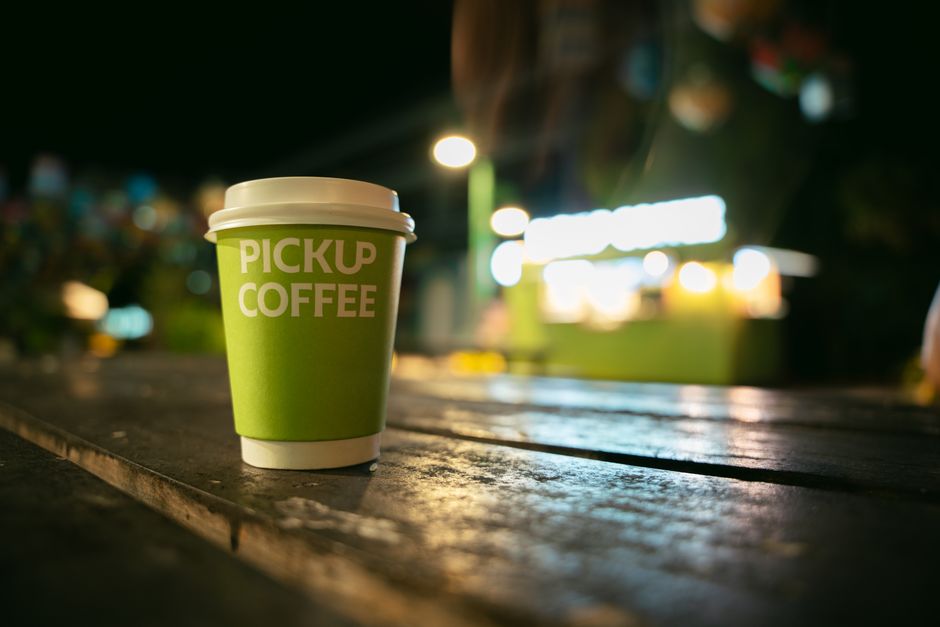
Can I Drink Coffee at Night for Weight Loss?
Many women find themselves reaching for a warm mug after dinner, wondering if that evening ritual is quietly undoing their hard work. The short answer is that coffee itself contains almost no calories, so it won’t directly break your weight loss efforts. However, the timing of that cup can disrupt your sleep, and poor sleep is a well-documented obstacle to losing weight. So the real question isn’t about calories—it’s about how that late-night caffeine affects your rest and your hunger hormones.
This article digs into what the research actually says about evening coffee and weight loss. We will cover how caffeine impacts your sleep cycle, how sleep deprivation affects your appetite, and what you can do if you crave a warm drink before bed.
Generic advice often just says “don’t drink it,” but that ignores the real reasons you want it. We will look at practical alternatives and timing strategies that respect both your goals and your habits.
Key Points at a Glance
| Point | What It Means | Why It Matters |
|---|---|---|
| Calories | Black coffee has roughly 2 calories per cup | It won’t directly add to your daily intake |
| Sleep Disruption | Caffeine blocks sleep-promoting chemicals | Poor sleep increases hunger and cravings |
| Metabolism | Caffeine may slightly boost metabolism | The effect is small and often offset by sleep loss |
| Add-ins | Sugar and cream add significant calories | A “harmless” evening latte can be 200+ calories |
| Timing | Effects can last 6 hours or more | An 8 PM coffee can harm sleep at 1 AM |
How Does Caffeine Affect Your Sleep?
Caffeine works by blocking adenosine, a chemical that builds up in your brain and makes you feel sleepy. When you drink coffee at night, you are essentially telling your brain to ignore its natural tiredness signal. The half-life of caffeine—the time it takes for your body to eliminate half of it—is roughly 5 to 6 hours for most adults.
This means a cup at 7 PM still has a significant amount of caffeine circulating at 1 AM. Research consistently shows that even small amounts of caffeine six hours before bed can reduce total sleep time and sleep quality. I always tell friends to think of it like this: you might fall asleep, but you likely won’t stay in the deep sleep stages your body needs to recover.
What Does Poor Sleep Do to Your Weight?
Short sleep does not just make you tired; it changes the hormones that control your appetite. Studies have found that sleep deprivation increases ghrelin, the hormone that signals hunger, while decreasing leptin, the hormone that signals fullness. This combination leads to stronger cravings for high-carbohydrate and high-calorie foods the next day.
One specific observation I have noticed is that clients who sleep poorly often crave salty snacks or sweets by mid-afternoon, not just breakfast. That craving is not a willpower issue; it is a biological response to a tired body seeking quick energy. Some research also suggests that being awake longer gives you more hours to eat, which naturally increases your daily calorie intake.
Can I Drink Coffee at Night and Still Lose Weight?
You can drink coffee at night and still lose weight, but it is working against you in two key ways. First, if the coffee is black, it is nearly calorie-free, so it does not directly add to your energy balance. Second, the indirect effects—disrupted sleep and stronger next-day hunger—can easily lead to eating more than you planned.
If you are going to have an evening cup, the evidence points toward doing it earlier rather than later. Try to finish your last caffeinated drink at least 6 hours before your bedtime. If you are sensitive to caffeine, you may need to push that cutoff to 8 or even 10 hours, as genetics play a big role in how fast you process it.
If you are tracking your calories, remember that a plain brewed coffee is a safe choice. The problem is rarely the coffee itself—it is the flavored syrups, heavy creams, and sugar that turn a zero-calorie drink into a dessert.
Are There Better Alternatives for an Evening Drink?
If you crave a warm beverage after dinner, the best swap is a naturally caffeine-free herbal tea. Chamomile, peppermint, and rooibos all provide the ritual of a hot drink without the stimulant effect. Decaf coffee is another option, but it still contains a small amount of caffeine—roughly 2 to 15 milligrams per cup compared to 95 milligrams in regular coffee.
For most people, a cup of decaf in the evening is unlikely to disturb sleep, but it is not completely free of caffeine. Warm milk or a small cup of bone broth are also satisfying choices that provide protein and may help you feel full overnight. I have found that having a go-to evening drink ready makes it much easier to skip the caffeinated version.
If you are tracking your overall intake, you can use our TDEE calculator to understand your daily energy needs. Knowing your maintenance calories helps you see whether an evening drink fits into your plan without guessing.
Does the Time of Day Matter for Metabolism?
Some research suggests that caffeine can slightly increase your metabolic rate and fat burning, but this effect is modest and short-lived. The boost is more noticeable in the morning when cortisol levels are naturally higher. Drinking coffee at night does not give you a meaningful metabolic advantage, and it may cancel out any benefit by disrupting your sleep.
There is also mixed evidence on whether caffeine affects how your body processes sugar. Some studies indicate that caffeine can temporarily reduce insulin sensitivity, meaning your cells do not respond as well to insulin after a caffeinated drink. This is not a concern for most healthy people, but it is another reason to keep caffeine intake within the first half of the day.
Related Articles
Frequently Asked Questions
Will black coffee at night break my fast or ketosis?
Black coffee has nearly zero calories and will not break a fast or kick you out of ketosis. However, the caffeine may still affect your sleep quality, which can indirectly impact your weight loss progress.
How many hours before bed should I stop drinking coffee?
Most experts suggest stopping caffeine at least 6 hours before bedtime to protect your sleep. If you are sensitive to caffeine, you may need to stop 8 to 10 hours before bed.
Is decaf coffee safe to drink in the evening?
Decaf coffee is generally safe in the evening because it contains only a small amount of caffeine. Most people can drink it without sleep disruption, but it is not completely caffeine-free.
Does coffee at night cause belly fat?
Coffee itself does not cause belly fat, but the sugar and cream you add can contribute to weight gain. Poor sleep from caffeine can also raise stress hormones, which are linked to abdominal fat storage.
Can I drink coffee at night if I take a sleep aid?
Mixing caffeine with a sleep aid is not recommended because they work against each other. The caffeine may reduce the effectiveness of the sleep medication, so it is better to avoid coffee in the evening entirely.
What is the best drink for weight loss before bed?
Herbal tea like chamomile or peppermint is the best choice because it is calorie-free and caffeine-free. Warm water with lemon is another simple option that does not affect sleep.

The TDEECAL Team writes about nutrition, metabolism, and fat loss the way we built our calculator, with real numbers and no hype. We dig into the research so you don’t have to guess.