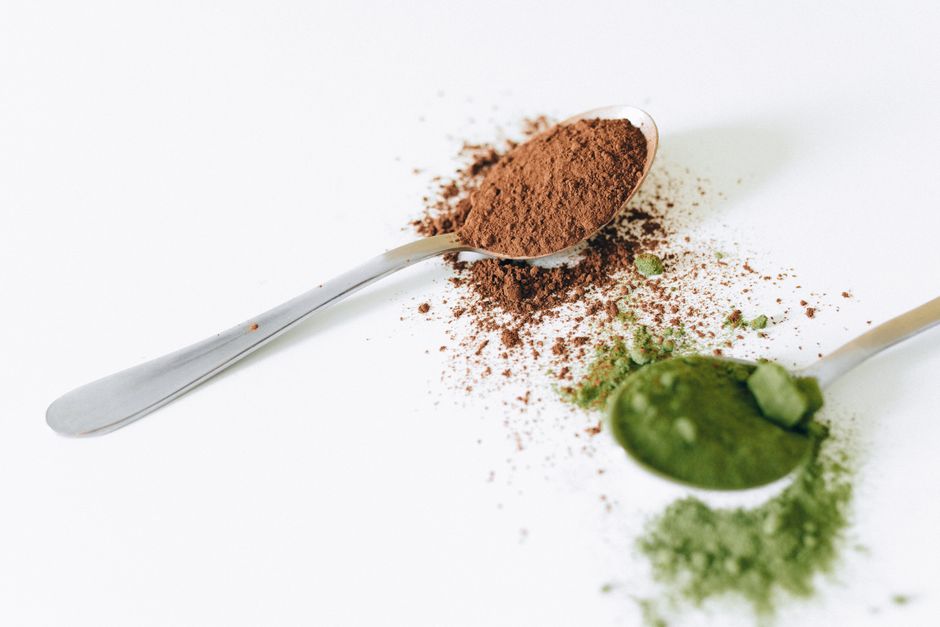
You’ve probably seen protein powder scooped into smoothies and shakes everywhere you look, especially around weight loss content. But here’s the honest answer: protein powder is a supplement, not a requirement, and the decision depends entirely on your diet and goals.
Do you need protein powder for weight loss? No, you do not need protein powder for weight loss, but it can be a practical tool for meeting your daily protein needs, which helps preserve muscle and control appetite. Whole foods should always come first, and powder is simply a convenient way to fill a gap when food alone isn’t enough.
Most women in their 40s and 50s are not eating enough protein, and this becomes more important as we age. The confusion usually comes from conflicting advice about how much protein you actually need and whether the source matters. This article breaks down the evidence so you can decide if adding a scoop to your routine is worth it.
We’ll cover daily protein targets, how to tell if you’re already getting enough, and the specific situations where a powder genuinely helps. You’ll also learn what to look for in a product if you decide to try one. This is practical guidance, not a sales pitch for any particular brand.
Key Points at a Glance
| Point | What It Means | Why It Matters |
|---|---|---|
| Protein needs increase with age | Muscle becomes less responsive to protein as you get older | You may need more protein than you did in your 20s |
| Whole food is the gold standard | Chicken, fish, eggs, Greek yogurt, beans | Food provides nutrients powder can’t replicate |
| Powder fills gaps, not replaces meals | Use it when you’re short on protein, not as a meal substitute | Prevents muscle loss during a calorie deficit |
| Protein helps control appetite | It increases fullness hormones | Makes sticking to a calorie target easier |
| Quality matters | Look for minimal ingredients and third-party testing | Avoids unnecessary additives and fillers |
How Much Protein Do You Actually Need for Weight Loss?
Research consistently shows that higher protein intake protects muscle mass when you’re eating fewer calories. When you lose weight, you want to lose fat, not muscle, and protein is the main dietary lever that makes this happen. The general recommendation for women in a calorie deficit is roughly 1.2 to 1.6 grams per kilogram of body weight per day.
For a 160-pound woman, that translates to about 87 to 116 grams of protein daily. That’s a meaningful amount, and most women fall short of it. A standard day of eggs, a salad with chicken, and a normal dinner often lands closer to 60 or 70 grams.
I always tell clients to think of protein as the foundation of a weight loss diet. It’s not about eating less protein, it’s about eating more of it while eating less overall. This is one of the few areas in nutrition where the evidence is remarkably consistent across studies.
Can You Get Enough Protein From Food Alone?
Yes, absolutely. You can meet your protein needs with whole foods, and many people do. A 6-ounce chicken breast has about 50 grams of protein, and a cup of Greek yogurt has roughly 20 grams. It’s entirely possible to hit your target with food.
But here’s the practical reality: it takes planning. You need to intentionally include a protein source at every meal and snack. If you’re busy, traveling, or simply not a big meat eater, hitting 90 to 110 grams daily from food alone gets hard.
This is where a scoop of powder becomes useful. One scoop of whey or plant protein delivers 20 to 25 grams in about 30 seconds. That’s the convenience factor, and it’s a legitimate one for many women.
My own habit is to add a scoop to plain Greek yogurt with berries when I know dinner will be light on protein. It’s a small adjustment that keeps my daily number consistent without much thought.
When Do You Need Protein Powder for Weight Loss?
Do you need protein powder for weight loss in specific situations? Yes, there are clear cases where it genuinely helps. If you’re vegetarian or vegan, getting enough protein without dairy or meat takes more effort, and a plant-based powder fills that gap efficiently.
Another situation is post-workout recovery. While the old “anabolic window” idea is overstated, having protein after strength training does support muscle repair. If you lift weights as part of your weight loss plan, a shake is a simple way to ensure you’re giving your muscles what they need.
Older women also benefit more from supplemental protein. Research published in the American Journal of Clinical Nutrition suggests that as we age, our muscles need more protein per meal to trigger the same response. This is called anabolic resistance, and it means your protein needs may genuinely be higher than they were a decade ago.
That said, if you’re already eating 90-plus grams from food and feeling satisfied, you don’t need powder. It’s a tool, not a requirement, and there’s no magic in the powder itself. The benefits come from the protein, not the form.
What to Look For in a Protein Powder
If you decide to try one, keep it simple. Whey protein isolate is well-researched and easily absorbed, while pea or soy protein are solid plant-based options. Look for a product with at least 20 grams of protein per scoop and minimal added sugar.
Check the ingredient list. If you can’t pronounce half the ingredients, it’s probably over-processed. Third-party testing certifications like NSF or Informed Sport are good signals that what’s on the label is actually in the container.
Be honest about what you’re buying. Many flavored powders have artificial sweeteners and gums that some people find bloating. Unflavored or lightly flavored options are often better tolerated and more versatile in recipes.
One note on cost: protein powder is not cheap, and whole food protein is often more affordable per gram. If budget is a concern, eggs, canned tuna, and Greek yogurt are excellent value sources.
Finally, be skeptical of any powder claiming to “boost metabolism” or “burn fat.” No study has confirmed these effects. The only proven benefit is helping you hit your protein target, which supports muscle retention and appetite control during weight loss.
Related Articles
Frequently Asked Questions
Is protein powder necessary for weight loss?
No, protein powder is not necessary for weight loss. You can achieve your goals with whole foods alone if you plan your meals carefully.
How much protein should a woman eat daily to lose weight?
Most research suggests 1.2 to 1.6 grams per kilogram of body weight per day. For a 160-pound woman, that’s roughly 87 to 116 grams daily.
Will protein powder make me gain weight?
Protein powder itself doesn’t cause weight gain, but excess calories from any source will. If you’re in a calorie deficit, protein powder supports fat loss, not weight gain.
What’s the best protein powder for weight loss?
Whey protein isolate is the most researched, while pea protein is a solid plant-based choice. The best one is the one you’ll actually use consistently.
Can I replace meals with protein shakes?
Replacing meals with shakes is not recommended for long-term weight loss. Whole food meals provide fiber, vitamins, and satisfaction that shakes lack.
When should I drink a protein shake for weight loss?
The timing matters less than your total daily intake. A shake after workouts or as a snack when you’re short on protein works well for most people.
If you’re trying to figure out your personal calorie and protein targets, using a TDEE calculator can give you a solid starting point based on your age, weight, and activity level. It’s a useful tool for setting realistic numbers before you adjust your diet.

The TDEECAL Team writes about nutrition, metabolism, and fat loss the way we built our calculator, with real numbers and no hype. We dig into the research so you don’t have to guess.