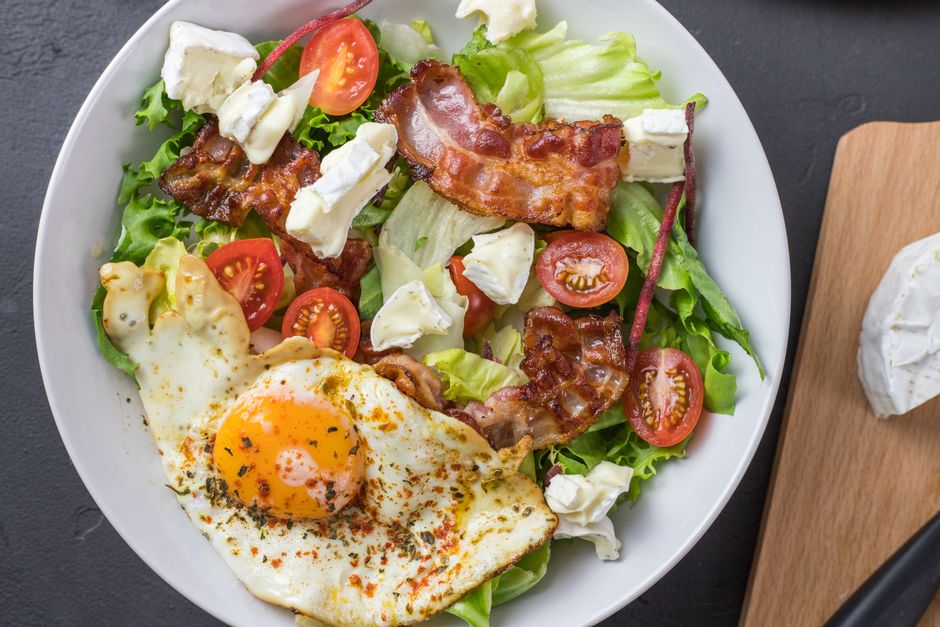
Whole30 promises a dramatic reset in just 30 days, and millions of women have tried it. But the real question is whether those changes stick around after the month ends.
Does Whole30 work for weight loss? Yes, most people lose weight during the 30 days, but that is mostly because the program removes added sugar, alcohol, and processed foods while cutting calories. The bigger issue is that the plan offers no clear strategy for the transition back to normal eating, so many people regain the weight quickly. Research on Whole30 specifically is limited, though studies on similar elimination diets show short-term results that often fade.
Most articles either hype the plan or trash it. This one walks through what the evidence actually shows, what the program does well, and where it falls short for long-term weight management. You will also get a practical look at how to handle the month after if you decide to try it.
Key Points at a Glance
| Point | What It Means | Why It Matters |
|---|---|---|
| Calorie reduction | Whole30 removes entire food groups and alcohol | Lower calorie intake drives most of the weight loss |
| No tracking | The plan forbids weighing and measuring food | You cannot manage portions you never measure |
| Short duration | The program lasts only 30 days | Habits formed in 30 days often revert quickly |
| Reintroduction phase | Foods return one at a time after day 30 | This phase is critical for identifying triggers |
| No long-term plan | Whole30 offers no maintenance strategy | Weight regain is common without a follow-up plan |
What the Research Actually Shows About Whole30
Whole30 has not been studied directly in clinical trials. No published research has measured weight loss outcomes specifically for the program. That makes it hard to give a definitive answer about how well it works.
What we do have is research on similar approaches. Studies on elimination diets and short-term dietary resets consistently show initial weight loss, usually from 4 to 8 pounds in the first month. Some research suggests that most of that loss comes from reduced calorie intake and water weight rather than fat loss.
I have coached women through Whole30 cycles, and the pattern is predictable. The first week is rough, the second week gets easier, and by week three most people feel genuinely better. The scale moves, but the real test comes after day 30.
Does Whole30 Work for Weight Loss in the Long Term?
Here is the honest answer: Whole30 works for short-term weight loss, but the evidence for lasting results is weak. The program removes added sugar, alcohol, grains, legumes, and dairy. That naturally cuts calories because your food options shrink dramatically.
Some studies indicate that restrictive diets produce faster initial weight loss than moderate approaches. But the same research shows that people on very restrictive plans tend to regain more weight over 12 months. The reason is simple — when you cannot eat most foods, you eventually rebel and return to old habits.
A better approach might be using Whole30 as a diagnostic tool rather than a permanent lifestyle. Use the 30 days to notice how certain foods affect your energy, digestion, and cravings. Then build a sustainable eating pattern around what you learn.
Practical tip: If you try Whole30, spend the last week planning your reintroduction. Decide which foods you will add back first, and set a specific calorie and activity plan for the month after. That planning is what most people skip, and it is why they regain the weight.
How Many Calories Does Whole30 Naturally Cut?
Most women on Whole30 end up eating roughly 1,400 to 1,800 calories per day without trying. That is because the program eliminates alcohol, added sugar, and most convenience foods, which are calorie-dense and easy to overeat.
USDA data shows that a typical American woman consumes about 1,800 to 2,400 calories daily. Cutting out liquid calories, desserts, and processed snacks usually removes 300 to 600 calories per day. That alone can produce about a pound of weight loss per week.
The problem is that Whole30 does not teach portion control. You are told to eat until satisfied, but many people interpret that as eating until full. Without measuring or tracking, it is easy to eat more calories than you think, especially from nuts, avocados, and fatty cuts of meat.
What Happens After Day 30
The reintroduction phase is where Whole30 either works or falls apart. You add back dairy, grains, legumes, and other foods one at a time over two weeks. This helps you notice digestive issues, skin changes, and energy shifts.
For weight management, the reintroduction phase is a trap. Many people celebrate finishing the program by eating everything they missed, often in large quantities. That spike in calories can undo the deficit from the previous month.
Research on weight cycling shows that repeated loss and regain is worse for metabolism than staying at a stable weight. If you do Whole30, treat it as one tool in a larger plan that includes calorie awareness and regular physical activity. A TDEE calculator can help you set a realistic maintenance calorie target before you start reintroducing foods.
Frequently Asked Questions
Related Articles
How much weight can you lose on Whole30?
Most women lose between 4 and 8 pounds during the 30 days, though results vary widely. Individual factors like starting weight, activity level, and how strictly you follow the plan all play a role.
Is Whole30 safe for everyone?
Whole30 is generally safe for healthy adults, but it is not appropriate for pregnant women, people with eating disorders, or those with certain medical conditions. Check with your doctor before starting any restrictive elimination diet.
Can you exercise while on Whole30?
Yes, moderate exercise is encouraged, but you may feel fatigued during the first week as your body adjusts. Low energy is common early on because carbohydrate intake drops significantly.
Do you need to count calories on Whole30?
No, the program explicitly forbids calorie counting and weighing food. However, this means you have no way to know if you are eating too much for your goals.
What foods are not allowed on Whole30?
The program bans added sugar, alcohol, grains, legumes, dairy, and most processed additives. That includes corn, soy, and even some spice blends that contain sugar.
Is Whole30 better than other diets for weight loss?
No strong clinical evidence shows Whole30 outperforms other structured diets for weight loss. The key factor is adherence, and the best diet is the one you can sustain long term.

The TDEECAL Team writes about nutrition, metabolism, and fat loss the way we built our calculator, with real numbers and no hype. We dig into the research so you don’t have to guess.