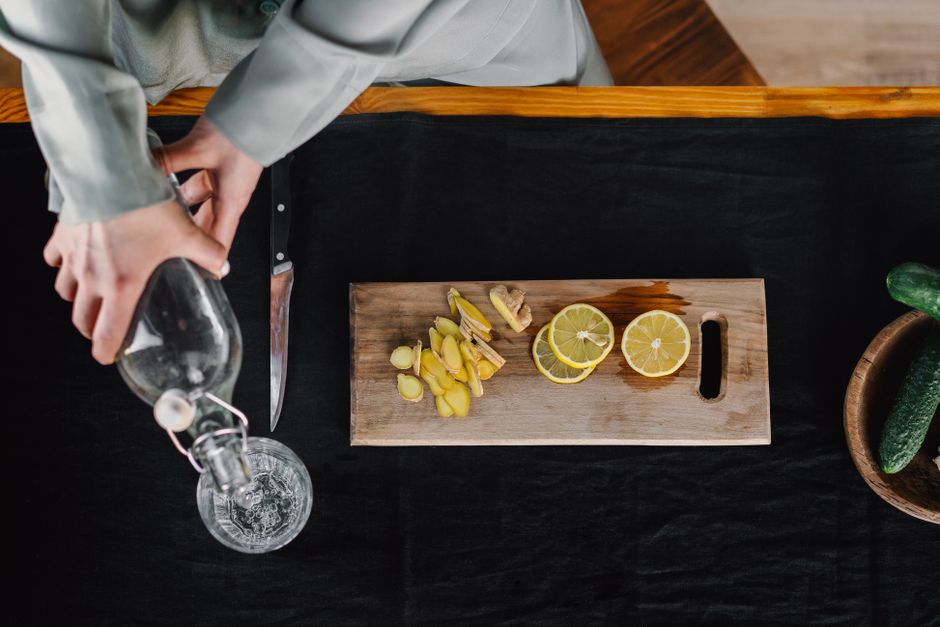
Ginger water has become one of the most searched weight loss drinks, yet most articles skip the actual preparation details that matter. The truth is that how you make it changes both the taste and the potential benefits you get from each glass.
To make ginger water for weight loss, peel and thinly slice a 1-inch piece of fresh ginger root, add it to 2 cups of boiling water, and let it steep for 10 to 15 minutes before straining. This simple method extracts the gingerols and shogaols that research links to modest metabolic effects. The drink itself contains almost no calories, which makes it a reasonable replacement for sugary beverages throughout your day.
Most people searching for how do you make ginger water end up with recipes that are either too weak to taste or so strong they burn. The sweet spot sits between those extremes, and it depends on how finely you slice the ginger and how long you let it steep. This guide covers the exact ratios, timing, and storage methods that produce a consistent cup every time.
You will also learn what the evidence actually says about ginger and weight loss, because the claims online often outpace the research. Some of what you hear is supported by studies, and some of it is simply marketing dressed up as science.
Key Points at a Glance
| Point | What It Means | Why It Matters |
|---|---|---|
| Steeping time | 10 to 15 minutes for full flavor | Shorter steeps taste weak; longer steeps turn bitter |
| Calorie content | Nearly zero per serving | Replaces sugary drinks without adding calories |
| Evidence strength | Modest metabolic effects only | Works alongside diet, not instead of it |
| Best timing | Morning or before meals | May support digestion and appetite regulation |
| Fresh vs. powdered | Fresh root has more active compounds | Fresh ginger contains higher gingerol levels |
What Does the Research Say About Ginger and Weight Loss?
Studies on ginger and weight loss show small but consistent effects. A 2019 meta-analysis published in the Annals of New York Academy of Sciences reviewed 14 randomized controlled trials and found that ginger supplementation led to modest reductions in body weight and waist-to-hip ratio. The average weight loss was around 1 to 2 pounds over the study periods, which is meaningful but not dramatic.
The proposed mechanism involves gingerols increasing thermogenesis and fat oxidation while also slightly suppressing appetite. Some research also suggests ginger improves insulin sensitivity, which helps regulate blood sugar and reduces cravings for sweet foods. I always tell people to think of ginger water as a support tool, not a standalone solution.
One thing I have noticed in my own kitchen is that the fresher the ginger, the more noticeable the effect on appetite. The gingerols degrade over time, so buying small amounts frequently beats buying a large root that sits in your fridge for weeks.
How Do You Make Ginger Water That Actually Tastes Good?
The classic method starts with a 1-inch piece of fresh ginger root, which weighs roughly 10 to 15 grams. Peel it with a spoon rather than a vegetable peeler because the spoon reaches into the curves of the root without wasting flesh. Slice it thinly across the grain into coins about 1/8 inch thick.
Bring 2 cups of water to a rolling boil, then remove it from heat and add the ginger slices. Steeping in hot but not boiling water preserves more of the volatile compounds that give ginger its characteristic warmth. Cover the pot and let it sit for 10 to 15 minutes, then strain and drink warm or chilled.
For a stronger batch, simmer the ginger slices directly in the water for 5 minutes before steeping. This extracts more gingerols but also increases the spicy heat, so start with the gentler method first. I add a squeeze of fresh lemon and a pinch of cayenne to my morning cup — the lemon brightens the flavor and the cayenne adds its own modest thermogenic effect.
Store leftover ginger water in a sealed glass jar in the refrigerator for up to 3 days. Shake it before drinking because the gingerols settle at the bottom.
Is Ginger Water Better Hot or Cold for Weight Loss?
Temperature does not change the active compounds in ginger, so both hot and cold versions offer the same potential benefits. The difference comes down to personal preference and when you drink it. Hot ginger water in the morning feels soothing and may support digestion, while cold ginger water works well as a refreshing afternoon replacement for soda or juice.
What matters more than temperature is consistency. Drinking ginger water daily for several weeks gives your body time to respond, whereas occasional cups likely produce no measurable effect. Some studies suggest that consuming ginger before meals may enhance its appetite-suppressing effects, so consider having a glass 30 minutes before lunch or dinner.
I keep a batch of cold ginger water in my fridge during summer months and heat a cup of it in the microwave when I want something warm. The flavor holds up well either way, though cold ginger water benefits from a little extra steeping time to stay bold.
How Much Ginger Water Should You Drink Per Day?
Most clinical studies use ginger doses of 1 to 2 grams per day, which translates to roughly 2 to 4 cups of ginger water made with a 1-inch piece of root. Drinking more than that does not accelerate weight loss and may cause heartburn or stomach upset in sensitive individuals. The research does not support mega-dosing ginger for faster results.
Start with one cup per day and see how your stomach responds before increasing to two or three cups. If you experience acid reflux, heartburn, or digestive discomfort, reduce the amount or switch to drinking it with meals rather than on an empty stomach. Ginger stimulates gastric acid production, which helps some people digest food but aggravates others.
Pregnant women should be especially cautious, as high doses of ginger may not be safe during pregnancy. The general guidance from clinical sources suggests limiting ginger intake to culinary amounts, which is roughly 1 gram per day, unless a healthcare provider advises otherwise.
Keep a food diary for one week while drinking ginger water daily. Note any changes in appetite, cravings, or digestion. This gives you personalized data about whether it works for your body.
What Else Can You Add to Ginger Water for Better Results?
Lemon juice adds vitamin C and a bright flavor that complements ginger without adding calories. A splash of apple cider vinegar is another popular addition, though research on its weight loss effects is limited and mixed. Cucumber slices and fresh mint create a spa-water version that encourages higher fluid intake overall.
Adding a teaspoon of honey or maple syrup makes the drink more palatable but adds about 20 calories per teaspoon. That small amount may not matter for weight loss, but it adds up if you drink several cups per day. Stevia or monk fruit sweeteners provide sweetness without calories if you need them.
One combination I have found particularly effective is ginger water with a pinch of cinnamon and turmeric. Both spices have their own anti-inflammatory properties, and the flavors blend into a warming tea-like drink that feels more substantial than plain ginger water.
Related Articles
Frequently Asked Questions
Can ginger water alone cause weight loss?
No, ginger water alone will not cause significant weight loss. It works best as a replacement for sugary drinks alongside a calorie-controlled diet and regular physical activity.
How long does it take to see results from ginger water?
Most studies show modest effects after 8 to 12 weeks of daily consumption. Individual results vary based on overall diet, activity level, and starting weight.
Is it safe to drink ginger water every day?
Yes, drinking 2 to 4 cups of ginger water daily is safe for most healthy adults. People with gallstones, bleeding disorders, or those taking blood thinners should consult a doctor first.
Does ginger water boost metabolism?
Some research suggests ginger may slightly increase thermogenesis and fat oxidation. The effect is small and unlikely to produce noticeable weight loss without other lifestyle changes.
Can you drink ginger water at night?
Yes, ginger water at night is fine and may even support digestion before bed. Avoid drinking large amounts close to bedtime if it causes frequent urination that interrupts sleep.
Does ginger water reduce belly fat specifically?
No food or drink targets belly fat specifically. Ginger water may contribute to overall weight loss, which eventually reduces abdominal fat along with fat elsewhere in the body.
Ready to track how ginger water fits into your daily calorie budget? Use the TDEE Calculator to find your maintenance calories and create a sustainable deficit.
Ginger water is a simple, low-cost addition to a weight loss plan, but it works best when paired with realistic expectations and consistent habits. Start with the basic recipe, adjust the strength to your taste, and pay attention to how your body responds over several weeks.

The TDEECAL Team writes about nutrition, metabolism, and fat loss the way we built our calculator, with real numbers and no hype. We dig into the research so you don’t have to guess.