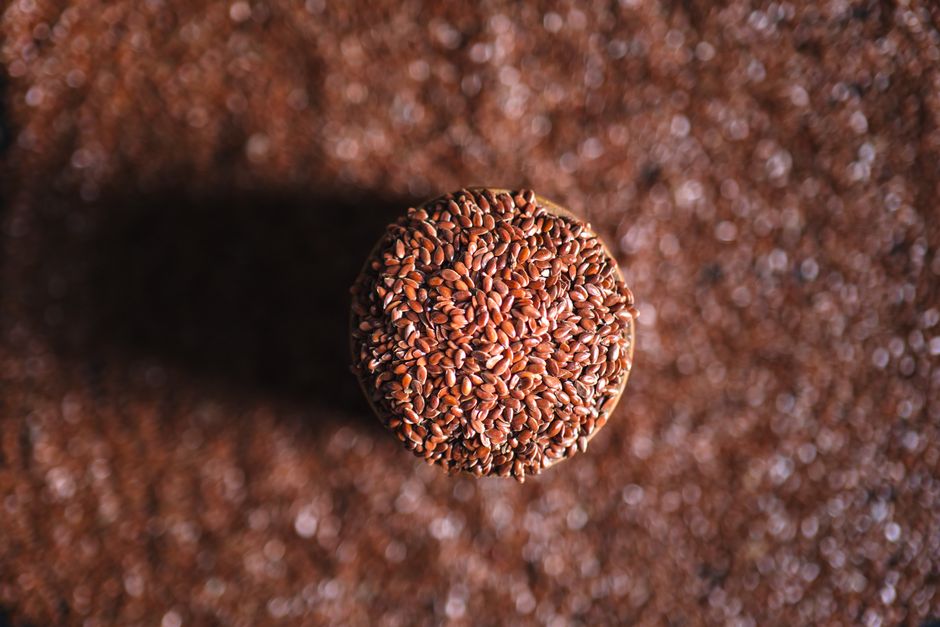
How Many Flax Seeds Per Day for Weight Loss
Flax seeds are tiny, but they pack a real punch for your health.
For weight loss, the general recommendation is about 1 to 2 tablespoons (10 to 20 grams) of ground flax seeds per day. This amount provides a solid dose of fiber and healthy fats without adding too many calories to your daily intake. Starting with one tablespoon and working up is the safest approach for most people.
Most articles just tell you to eat them without explaining why the amount matters. The truth is that flax seeds are calorie-dense, so eating too many can actually work against your weight loss goals. This guide breaks down the science behind the serving size, how to eat them, and what results you can realistically expect.
You will not find miracle claims here. You will find honest, practical advice that fits into a real daily routine.
Key Points at a Glance
| Point | What It Means | Why It Matters |
|---|---|---|
| Daily Serving | 1 to 2 tablespoons of ground flax seeds | Provides benefits without excess calories |
| Calorie Load | Roughly 37 to 75 calories per serving | Easy to fit into any daily calorie budget |
| Fiber Content | About 2 to 4 grams of fiber per serving | Helps you feel full and satisfied longer |
| Best Form | Ground seeds, not whole | Your body absorbs more nutrients from ground seeds |
| Water Intake | Drink extra water with your flax | Prevents digestive discomfort from high fiber |
Why Ground Flax Seeds Are Better for Weight Loss
Whole flax seeds pass through your digestive system mostly undigested. That means you miss out on the fiber and omega-3 fats that make them helpful for weight management. Ground flax seeds break down easily, so your body can actually use what you eat.
You can buy pre-ground flax meal or grind whole seeds in a coffee grinder at home. I keep a small grinder on my counter just for this — it takes ten seconds and the seeds taste noticeably fresher than the store-bought meal.
Ground flax seeds mix well into yogurt, oatmeal, smoothies, or baked goods. You can also sprinkle them over salads or stir them into soups. The mild, nutty flavor does not overpower other foods.
Store ground flax seeds in an airtight container in the fridge. The healthy fats can go rancid at room temperature, which changes both the taste and the nutritional value.
How Many Flax Seeds Per Day Actually Helps With Weight Loss?
The research on flax seeds and weight loss shows modest but real benefits. Some studies suggest that eating flax seeds daily can help reduce body weight and waist circumference over several months. The effect is not dramatic, but it is consistent when combined with a balanced diet.
How many flax seeds per day you need depends on your total calorie intake and activity level. Most clinical studies use doses between 20 and 40 grams, which equals roughly 2 to 4 tablespoons. For most women, starting at one tablespoon and staying at two tablespoons is a practical, sustainable target.
One thing to remember is that flax seeds are not a magic bullet. They work because they add fiber and healthy fats that support appetite control. If you eat them on top of your regular meals without adjusting anything else, you may not see a change on the scale.
What Science Says About Flax Seeds and Appetite
The fiber in flax seeds absorbs water and expands in your stomach. This physical bulk helps you feel full after meals, which can naturally reduce how much you eat later in the day. Some research indicates this effect is strongest when you eat flax seeds before or with a meal.
Flax seeds also contain lignans, which are plant compounds with antioxidant properties. Some studies suggest lignans may influence hormones related to hunger, though the evidence here is still developing. What is clear is that the fiber and fat combination slows digestion, keeping blood sugar levels steadier.
I notice the difference on days I add flax to my morning oatmeal. Lunch feels less urgent, and I am less likely to reach for a mid-morning snack. It is not a huge shift, but it adds up over weeks.
How to Add Flax Seeds to Your Daily Routine
Start with one teaspoon per day for the first week. This gives your digestive system time to adjust to the extra fiber. After a week, increase to one tablespoon, and then to two tablespoons if you tolerate it well.
Spread your serving across the day rather than eating it all at once. Half a tablespoon in your morning smoothie and another half in your lunch salad is easier on your stomach than a full serving in one sitting. Always drink a glass of water with your flax seeds.
If you experience bloating or gas, cut back to a smaller amount and increase more slowly. Some people are more sensitive to fiber than others. Your body usually adapts within a couple of weeks.
Try mixing ground flax seeds into plain Greek yogurt with a little cinnamon. It tastes like a treat but keeps you full for hours. This is my go-to afternoon snack when I want something satisfying.
Are There Any Risks or Side Effects?
Flax seeds are safe for most people when eaten in normal food amounts. The main side effect is digestive discomfort if you increase your intake too quickly. Starting small and drinking plenty of water prevents most of these issues.
People with certain health conditions should talk to their doctor before adding flax seeds to their diet. Flax can interact with blood-thinning medications and may affect blood sugar levels. If you have a history of bowel obstruction or inflammatory bowel disease, get medical advice first.
Pregnant or breastfeeding women should follow standard food guidelines and avoid concentrated flax seed supplements. Eating ground flax seeds as part of normal food is generally considered fine, but check with your healthcare provider to be safe.
Frequently Asked Questions
Related Articles
Can I eat flax seeds on an empty stomach?
Yes, but drink plenty of water with them. The fiber needs liquid to expand properly, so eating them dry can cause discomfort.
Should I take flax seeds in the morning or at night?
Either time works, as long as you are consistent. Morning intake may help with appetite control throughout the day, while evening intake adds fiber to your daily total.
Do flax seeds help with belly fat specifically?
No food targets belly fat specifically. Flax seeds support overall weight loss, and your body decides where fat comes off first.
Can I eat too many flax seeds?
Yes, eating excessive amounts can cause digestive distress and add unnecessary calories. Stick to one or two tablespoons daily for the best balance.
Is flaxseed oil as good as ground flax seeds?
No, flaxseed oil contains no fiber, so it does not help with fullness. Ground seeds provide both the healthy fats and the fiber that supports weight management.
How long before I see results from eating flax seeds?
Most research studies last at least 12 weeks before showing measurable changes. Be patient and consistent, and combine flax with an overall healthy eating pattern.
Flax seeds are a useful addition to a weight loss plan, not a replacement for one. The evidence supports a daily serving of one to two tablespoons of ground seeds as part of a balanced diet. If you want to track how flax seeds fit into your daily calorie needs, use our TDEE Calculator to find your maintenance calories and build your plan from there.
Start with a small amount, stay consistent, and let the fiber do its quiet work. The scale may not move overnight, but your eating habits will shift in a healthier direction.

The TDEECAL Team writes about nutrition, metabolism, and fat loss the way we built our calculator, with real numbers and no hype. We dig into the research so you don’t have to guess.