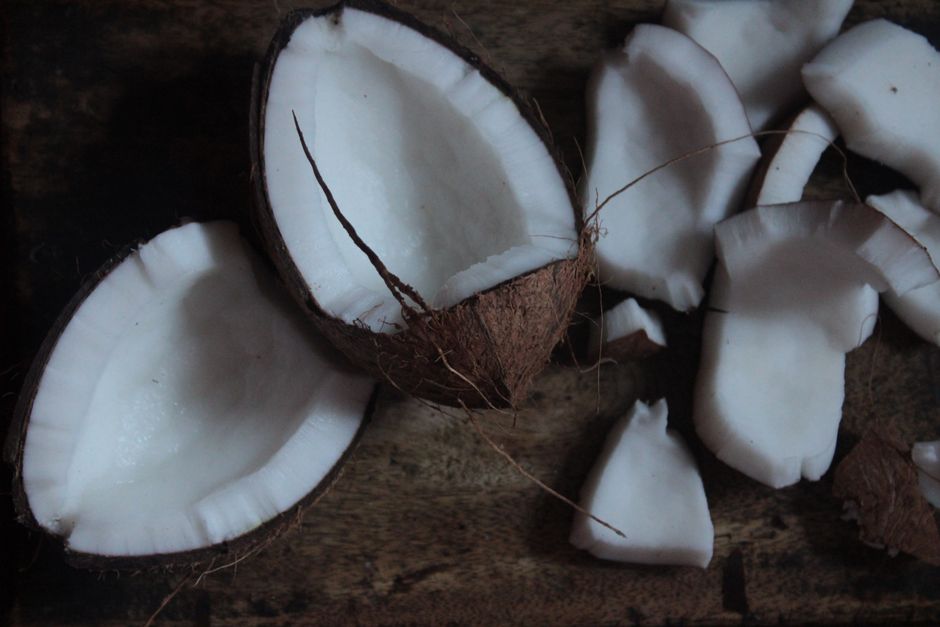
The short answer on how much coconut oil to take for weight loss is about 1 to 2 tablespoons (roughly 120 to 240 calories) per day, when it replaces other fats in your diet. No amount of coconut oil causes weight loss on its own, and adding it on top of your normal food will likely lead to weight gain. The key is using it as a swap, not an addition.
This article covers the realistic dose, the calorie math you cannot ignore, and why most of the “coconut oil melts belly fat” claims fall apart under scrutiny. You will also see why your total daily calorie intake matters far more than which fat you choose. By the end, you will know exactly where coconut oil fits into a weight loss plan, if it fits at all.
Key Points at a Glance
| Point | What It Means | Why It Matters |
|---|---|---|
| Recommended dose | 1 to 2 tablespoons per day | This amount fits a typical calorie budget without blowing past your target. |
| Calorie content | About 120 calories per tablespoon | Adding this to your day without removing other foods will cause weight gain. |
| Fat replacement | Swap coconut oil for butter or other oils | Weight loss only happens if total calories go down. |
| MCT content | Coconut oil is about 50-60% medium-chain triglycerides | MCTs may slightly boost metabolism, but the effect is too small to create weight loss alone. |
| Evidence quality | Mixed and limited for weight loss claims | No strong clinical evidence shows coconut oil causes significant weight loss. |
What Is the Right Daily Amount of Coconut Oil?
If you decide to use coconut oil, the practical range is 1 to 2 tablespoons per day. That equals roughly 120 to 240 calories, depending on the brand and whether you use a level or heaping spoon. Start with one tablespoon and see how it fits your daily calorie target before increasing.
I always keep a measuring spoon in the jar. Eyeballing a “tablespoon” of coconut oil is surprisingly easy to overdo, and those extra calories add up fast.
The reason this dose matters is simple. Coconut oil is about 100% fat, and fat is the most calorie-dense nutrient you can eat. A single tablespoon contains more calories than a full cup of chopped broccoli. There is no version of weight loss where those calories disappear.
How Much Coconut Oil to Take for Weight Loss Without Gaining Weight?
The only way to use coconut oil for weight loss is to subtract calories elsewhere. Use it to replace butter, margarine, or vegetable oil in cooking, not as an extra addition to meals. If you normally cook eggs in butter, using coconut oil instead keeps your calorie count the same while changing the fat source.
Research published in the American Journal of Clinical Nutrition has examined medium-chain triglycerides, the type of fat found in coconut oil. Some studies suggest MCTs may increase feelings of fullness and slightly boost energy expenditure compared to long-chain fats. But the effect is modest, and most studies use concentrated MCT oil, not regular coconut oil from the grocery store.
The honest conclusion is this. Coconut oil is not a weight loss food. It is simply a fat with a slightly different chemical structure, and it behaves like every other fat in your calorie equation.
Does Coconut Oil Actually Boost Metabolism?
The metabolism claim comes from the MCT content. Your body processes medium-chain triglycerides differently than the long-chain fats found in most cooking oils. MCTs go straight to the liver where they are quickly burned for energy, rather than being stored as fat.
Some research suggests this process may raise calorie burning by a small amount. But the numbers are not impressive. One review found that replacing some dietary fats with MCTs might increase daily energy expenditure by about 50 to 100 calories, roughly the equivalent of a 10-minute walk. That is not enough to create meaningful weight loss on its own.
Other claims about coconut oil are even weaker. The idea that coconut oil specifically targets belly fat or that a spoonful before meals suppresses appetite is often repeated but lacks strong clinical evidence. No study has confirmed these effects with regular coconut oil in human subjects.
How Many Calories Are in Coconut Oil?
One tablespoon of coconut oil contains about 120 calories. That figure comes from USDA data and is consistent across most brands, though some products may vary slightly. Two tablespoons give you roughly 240 calories, which is a significant chunk of a typical weight loss diet.
For a woman aiming for 1,500 calories per day, two tablespoons of coconut oil would take up 16% of her entire daily calorie allowance. That is a lot of calories for a food that provides no protein, no fiber, and no meaningful vitamins or minerals. You are spending your calorie budget on pure fat.
If you are tracking your intake, remember that coconut oil is not “free” just because it is marketed as healthy. Your body does not care about the marketing. It only responds to total calories consumed versus calories burned.
What Happens If You Take Too Much Coconut Oil?
Taking more than 2 tablespoons per day rarely helps and often causes problems. The most common issue is digestive upset, including diarrhea, nausea, and stomach cramps. Your body can only process so much fat at once, and concentrated MCTs are known to cause gastrointestinal distress at higher doses.
Weight gain is the other obvious risk. If you add 3 tablespoons of coconut oil to your normal diet, that is an extra 360 calories per day. Over a month, that adds up to roughly 3 pounds of fat, assuming nothing else changes. That is the opposite of what you want.
There is no established clinical guideline for a maximum safe dose of coconut oil. But if you are using it as a cooking fat, 1 to 2 tablespoons daily is a reasonable upper limit for most people. Beyond that, you are likely doing more harm than good.
What Is the Best Way to Include Coconut Oil in Your Diet?
The smartest approach is to use coconut oil where its properties actually help. Its high smoke point makes it good for searing meat or roasting vegetables. Its solid state at room temperature makes it a useful replacement for butter in baking recipes.
For weight loss, the strategy is always the same. Count the calories, make the swap, and keep your total intake on target. One tablespoon of coconut oil in your morning coffee or stir-fry is fine if you have accounted for it in your daily plan.
Some people find that a small amount of fat in the morning helps them feel full until lunch. That is a personal preference, not a scientific requirement. If it helps you eat fewer calories overall, it may be useful. If it just adds calories without changing your hunger, skip it.
Frequently Asked Questions
Related Articles
Can coconut oil alone cause weight loss?
No strong clinical evidence shows that coconut oil causes weight loss on its own. Weight loss requires a calorie deficit, and coconut oil adds calories rather than removing them.
Is it better to take coconut oil in the morning or at night?
The time of day does not significantly change how your body processes coconut oil. Choose a time that fits your meal plan and makes it easier to stay within your calorie target.
How many calories are in a tablespoon of coconut oil?
One tablespoon of coconut oil contains about 120 calories. Two tablespoons contain roughly 240 calories, which is a substantial portion of a daily calorie budget.
Does coconut oil suppress appetite?
Some studies suggest MCTs may increase fullness, but the effect is modest and inconsistent. Regular coconut oil has not been shown to reliably reduce appetite in most people.
Can coconut oil cause digestive problems?
Yes, taking too much coconut oil can cause diarrhea, nausea, and stomach cramps. Start with one tablespoon and increase slowly if your stomach tolerates it.
Should I use coconut oil or olive oil for weight loss?
Both oils have similar calorie counts, so neither is better for weight loss based on calories alone. Choose the oil that fits your cooking needs and your overall calorie plan.
For a more personalized look at how coconut oil fits your daily calorie needs, use our TDEE Calculator to find your maintenance calories and plan your deficit accordingly.

The TDEECAL Team writes about nutrition, metabolism, and fat loss the way we built our calculator, with real numbers and no hype. We dig into the research so you don’t have to guess.