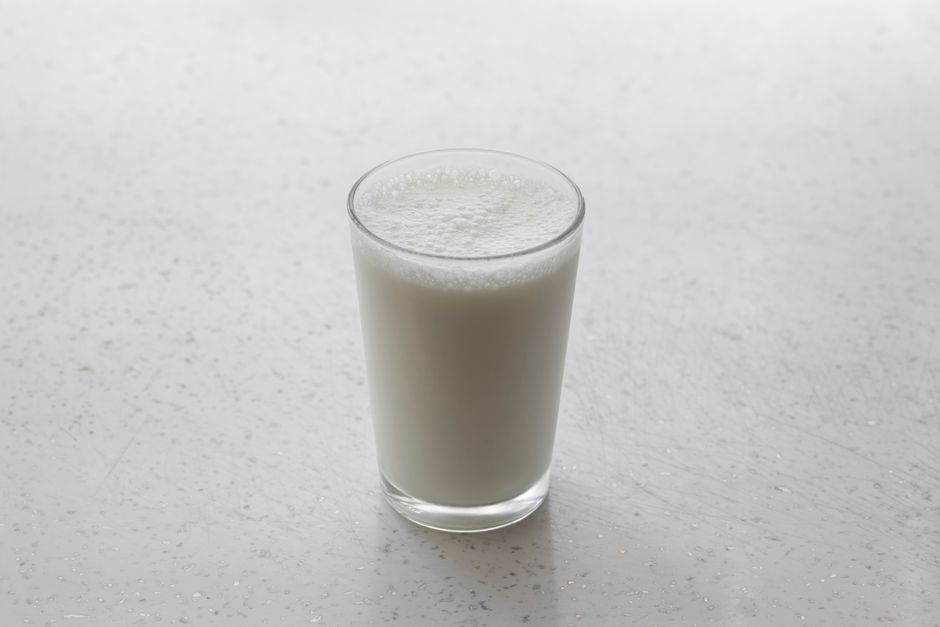
Kefir has become one of the most popular fermented dairy drinks in American grocery stores, yet most people treat it like a thick version of yogurt and miss the practical details that matter. The way you drink it affects your digestion, your calorie intake, and whether you actually stick with it long enough to see results.
To drink kefir milk for weight loss, start with plain, unsweetened kefir in a 6 to 8 ounce serving, drink it slowly with food or as a snack, and choose full-fat or low-fat varieties based on your total daily calorie budget. The key is avoiding flavored versions, which often contain 15 to 20 grams of added sugar per serving — more than most candy bars. Kefir works for weight management primarily because it is high in protein, supports gut health, and helps you feel full on relatively few calories.
Most weight loss advice about kefir focuses on the probiotics, but that misses the bigger picture. The protein content — roughly 8 to 9 grams per cup in cow’s milk kefir — is what actually drives satiety. And unlike yogurt, kefir is thin enough to drink, which makes it easier to incorporate into a morning routine or post-workout habit.
This guide covers the practical details that generic search results skip: how much to drink, when to drink it, which type to buy, and how to fit it into a calorie deficit without ruining your progress. You will also get honest answers about the evidence behind kefir and weight loss, including what research does and does not support.
Key Points at a Glance
| Point | What It Means | Why It Matters |
|---|---|---|
| Choose plain over flavored | Flavored kefir often has 15–20g added sugar per cup | Added sugar can erase your calorie deficit quickly |
| Drink 6–8 ounces per serving | A standard serving is about one cup | Keeps calories around 100–150 while providing protein |
| Pair with food or drink alone as a snack | Kefir works either way depending on your hunger | Protein and fat slow digestion, keeping you full longer |
| Full-fat is not the enemy | Full-fat kefir has more calories but more satiety | Some studies suggest full-fat dairy may support weight maintenance |
| Consistency beats intensity | Daily small servings outperform occasional large ones | Gut health benefits require regular intake over weeks |
What Type of Kefir Should You Buy for Weight Loss?
The single most important decision is whether you choose plain or flavored kefir. Plain kefir contains only milk and live cultures, while flavored versions add sugar, fruit puree, or artificial sweeteners. A single cup of strawberry kefir can contain 20 grams of sugar — the same as a glazed donut.
Your best options are plain whole milk kefir, plain low-fat kefir, or plain non-fat kefir. Whole milk kefir has about 150 calories per cup, low-fat has about 110, and non-fat has about 90. If you are in a strict calorie deficit, non-fat or low-fat gives you more room for other foods. If you struggle with hunger, full-fat kefir may keep you satisfied longer, and some research suggests full-fat dairy is not linked to weight gain the way people once assumed.
I always check the label for “live and active cultures” and avoid anything with “fruit on the bottom” — that layer is almost always sweetened syrup, not real fruit.
How Much Kefir Should You Drink Per Day?
Most research on kefir and gut health uses one serving per day, which is 6 to 8 ounces. That amount provides meaningful protein and probiotics without adding excessive calories to your day. Drinking more than that — like a full quart — can add 400 to 600 calories, which may work against your weight loss goals.
Start with 4 ounces if you have never had kefir before. Some people experience temporary bloating or digestive discomfort when they first introduce fermented foods, and a smaller serving helps your gut adjust. After a few days, increase to a full cup if you tolerate it well.
There is no established clinical guideline for a maximum kefir intake, but sticking to one to two cups per day is reasonable for most adults. If you have a compromised immune system or are pregnant, talk to your doctor before adding kefir regularly, since live cultures carry a small risk for certain populations.
Practical tip: Pour your kefir into a small glass rather than drinking from the bottle. You will naturally drink less, and you can see exactly how much you are consuming.
When Is the Best Time to Drink Kefir for Weight Loss?
There is no single “best” time that applies to everyone, but evidence points to a few patterns that work well. Drinking kefir in the morning on an empty stomach is popular because the probiotics may reach your gut with less interference from other foods. However, some people find this causes mild stomach upset, and drinking it with a meal is perfectly fine.
Using kefir as a mid-morning or afternoon snack is effective for weight loss because the protein and fat help control hunger between meals. A cup of kefir with a small handful of nuts or a piece of fruit makes a balanced snack around 200 to 250 calories. Drinking kefir after a workout also works well, since the protein supports muscle recovery and the liquid form is easy to digest.
One thing to avoid is drinking kefir right before bed if you are prone to acid reflux or indigestion. Fermented foods can trigger symptoms in some people, and lying down soon after drinking may make it worse. I personally prefer kefir in the late morning — it bridges the gap between breakfast and lunch better than any snack I have tried.
How to Drink Kefir Milk for Weight Loss Without Getting Bored
Plain kefir has a tart, slightly sour taste that takes getting used to. If you find it too sharp, blend it into a smoothie with berries, a small banana, and a handful of spinach. The fruit masks the sourness while adding fiber, and the total drink stays around 200 to 250 calories.
You can also use kefir as a base for overnight oats, mix it into plain oatmeal, or use it in place of buttermilk in pancake recipes. Kefir works as a salad dressing base when mixed with olive oil, lemon juice, and herbs. These uses keep your intake varied without adding sugar or empty calories.
What you should avoid is adding honey, maple syrup, or agave to plain kefir. A tablespoon of honey adds about 60 calories and 17 grams of sugar, which quickly turns a healthy drink into a dessert. If you need sweetness, use a small amount of fresh fruit or a pinch of cinnamon instead.
Practical tip: Freeze plain kefir in ice cube trays and add a cube or two to water or unsweetened iced tea. You get a hint of tang and creaminess without a full serving of calories.
Does Kefir Actually Help With Weight Loss? What the Evidence Says
The evidence on kefir and weight loss is promising but not conclusive. Some studies suggest that fermented dairy products may support weight management through their effects on gut bacteria, but the research is limited and results vary. A 2021 review of fermented foods and obesity found that kefir showed potential benefits in animal studies, but human trials are still few and small.
What the evidence does support is that kefir is a high-protein, relatively low-calorie food that can help you feel full. Protein is the most satiating macronutrient, and replacing a higher-calorie snack with kefir can reduce your total daily intake. That mechanism — calorie displacement — is likely how kefir helps with weight loss, rather than any special fat-burning property.
No study has confirmed that kefir alone causes weight loss without dietary changes. If you drink kefir while continuing to eat in a calorie surplus, you will not lose weight. Treat kefir as a tool that supports your deficit, not a replacement for it.
Frequently Asked Questions
Related Articles
Can I drink kefir every day for weight loss?
Yes, drinking one cup of plain kefir daily is safe for most adults and can support weight loss as part of a calorie deficit. Daily intake also gives your gut bacteria time to respond to the probiotics, which may improve digestion over several weeks.
Is kefir better than yogurt for weight loss?
Kefir and yogurt have similar protein and calorie profiles, but kefir contains a wider variety of probiotic strains and is thinner, making it easier to drink. Neither is inherently better for weight loss — the best choice is the one you will actually consume regularly.
Will kefir make me bloated?
Some people experience temporary bloating when they first start drinking kefir, especially if they are not used to fermented foods. Starting with a small 4-ounce serving and increasing gradually usually reduces this effect.
Can I drink kefir at night for weight loss?
Drinking kefir at night is fine if it fits your calorie budget and does not cause digestive discomfort. Avoid drinking it immediately before bed if you are prone to acid reflux, since lying down after consuming fermented foods can trigger symptoms.
Does kefir break a fast?
Yes, kefir breaks a fast because it contains calories, protein, and carbohydrates. If you are doing intermittent fasting, consume kefir only during your eating window.
What is the best kefir for weight loss — full-fat or low-fat?
Low-fat kefir has fewer calories, but full-fat kefir may keep you full longer due to its higher fat content. Choose based on your total daily calorie needs and which one satisfies your hunger better.
Kefir is a versatile, protein-rich drink that fits well into a weight loss plan when you choose plain varieties and watch your portion sizes. The key is consistency — a daily cup of kefir as part of a balanced diet is more effective than occasional large servings. Use the TDEE calculator to determine your calorie needs, then fit kefir into that budget without going over.

The TDEECAL Team writes about nutrition, metabolism, and fat loss the way we built our calculator, with real numbers and no hype. We dig into the research so you don’t have to guess.