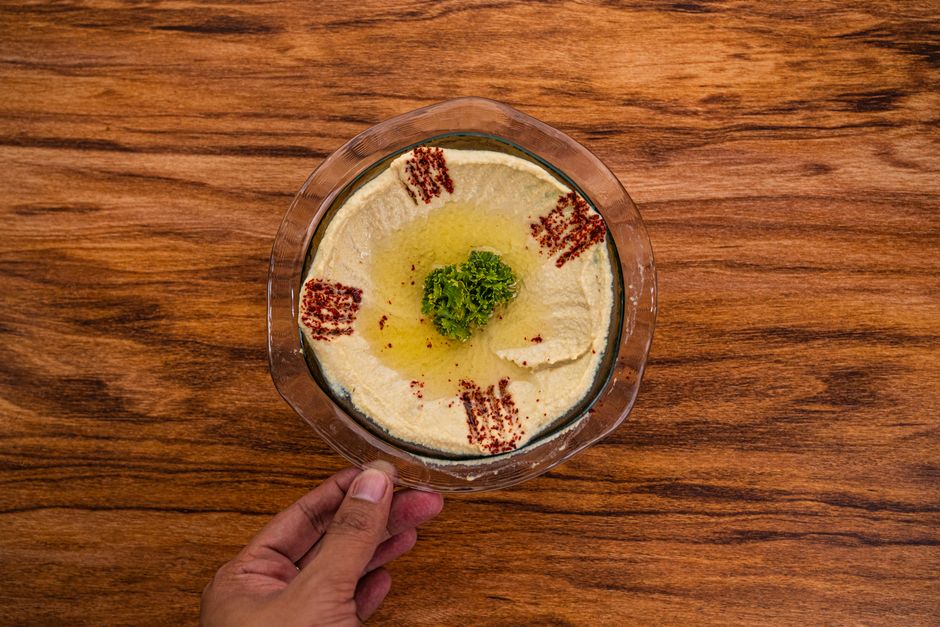
How to Eat Hummus for Weight Loss
Most people treat hummus as a dip you eat with pita bread, but that approach often backfires when you’re counting calories. The real trick is using hummus as a flavor booster and a swap for heavier condiments like mayonnaise or creamy dressings. When you focus on portion control and pair hummus with the right foods, it becomes a satisfying tool that helps you stay full between meals. This article explains the specific portions, pairings, and timing that make hummus work for weight loss, plus what the research actually says.
The key to eating hummus for weight loss is to use it as a 2-tablespoon portion (roughly 70 calories) paired with raw vegetables or whole-grain crackers, rather than as an unlimited dip with pita bread. This approach delivers about 2 grams of protein and 2 grams of fiber per serving, which helps slow digestion and keeps hunger at bay. The mistake most people make is treating hummus like a free food — it’s calorie-dense because of the tahini and olive oil, so portion control matters more than anything else.
Most generic advice tells you to “just eat more vegetables” but ignores the practical problem: raw veggies get boring fast. Hummus solves that problem because it adds flavor, fat, and protein that make vegetables feel like a real snack instead of a punishment. This article covers the exact serving sizes, the best foods to pair with hummus, and how to fit it into your daily calorie budget without derailing your progress. You’ll also learn which store-bought brands are worth your money and which ones quietly add sugar and extra oil.
Key Points at a Glance
| Point | What It Means | Why It Matters |
|---|---|---|
| Portion size | 2 tablespoons per serving | Keeps calories around 70 per serving instead of 300+ |
| Best pairings | Raw vegetables, whole-grain crackers, or lean protein | Adds fiber and volume without excess calories |
| Protein content | About 2 grams per 2-tablespoon serving | Modest protein that helps with satiety between meals |
| Calorie density | Roughly 70 calories per 2-tablespoon serving | Easy to overeat if you’re not measuring |
| Store-bought vs. homemade | Check labels for added sugar and oil | Some brands pack 100+ calories per serving |
What Is the Right Portion of Hummus for Weight Loss?
The standard serving size for hummus is 2 tablespoons, which comes to roughly 70 calories depending on the brand. That portion gives you about 2 grams of protein and 2 grams of fiber — not a huge amount, but enough to add satisfaction to a vegetable snack. If you’re using hummus as a meal component rather than a snack, you can stretch it to 3 to 4 tablespoons, but that pushes the calorie count to 105 to 140.
The problem is that most people don’t measure hummus. A generous scoop from the container can easily be a half-cup, which is around 280 calories. That’s more than a candy bar, and you’d never know it because hummus feels healthy. I always tell people to use a measuring spoon at least for the first week — after that, you’ll recognize what 2 tablespoons actually looks like on a plate.
What Foods Should You Eat with Hummus for Weight Loss?
The foods you pair with hummus matter more than the hummus itself. Raw vegetables like carrots, cucumber, bell peppers, and celery add volume and fiber for very few calories — a full cup of mixed veggies is around 50 calories. Whole-grain crackers or pita chips add more calories, so measure those carefully. A serving of whole-grain crackers is typically 6 to 8 crackers for about 120 calories.
Hummus also works well as a spread on sandwiches or wraps instead of mayonnaise or creamy dressings. Swapping 1 tablespoon of mayo (about 90 calories) for 1 tablespoon of hummus (about 35 calories) saves you 55 calories per sandwich without losing much flavor. Some research suggests that replacing high-calorie condiments with lower-calorie alternatives like hummus can help reduce total daily calorie intake, though the effect is modest.
One thing I’ve noticed from working with clients: hummus and pita bread is the combination that gets people into trouble. Pita bread is easy to overeat, and one large pita adds 160 to 200 calories before you even count the hummus. If you want bread with your hummus, choose a single small whole-wheat pita and stick to your 2-tablespoon hummus portion.
How to Eat Hummus for Weight Loss Without Overdoing It
The most reliable way to eat hummus for weight loss is to build it into a structured snack or meal rather than eating it on its own. A balanced snack might be 2 tablespoons of hummus with a cup of raw vegetables and a small piece of fruit. That comes to roughly 150 to 200 calories total and keeps you satisfied for a couple of hours.
Timing matters less than total calories, but many people find that hummus works well as a mid-afternoon snack. That’s the time when energy dips and cravings hit hardest, and the combination of protein, fiber, and fat in hummus helps bridge the gap to dinner. Some studies suggest that protein-rich snacks can help with appetite control, though the evidence is mixed on whether snack timing itself affects weight loss.
If you’re tracking calories, hummus fits into almost any budget as long as you count it. A 2-tablespoon serving is roughly 70 calories, which is easy to work into a 1,500-calorie day. The key is to decide before you start eating how much hummus you’re going to have, rather than deciding as you go.
Are Store-Bought Hummus Brands Good for Weight Loss?
Store-bought hummus can absolutely work for weight loss, but you need to read labels carefully. Some brands add extra oil, sugar, or preservatives that push calories to 100 or more per 2-tablespoon serving. Look for brands that list chickpeas, tahini, olive oil, lemon juice, and garlic as the main ingredients — those are the ones closest to what you’d make at home.
A quick label check is worth the 30 seconds it takes. Compare calories per serving across brands, and be aware that some brands use “serving size” of 2 tablespoons while others use 3 or 4 tablespoons. That difference can make a 70-calorie hummus look identical to a 140-calorie one if you don’t check the serving size.
Homemade hummus is usually the lower-calorie option because you control the oil. A basic recipe with chickpeas, tahini, lemon, and garlic comes to about 60 calories per 2-tablespoon serving. But homemade isn’t automatically better — if you add extra olive oil or tahini, the calories climb quickly. I’ve made hummus at home for years, and I’ve learned that 1 tablespoon of tahini and 1 tablespoon of olive oil per can of chickpeas is plenty for flavor.
Frequently Asked Questions
Related Articles
How many calories are in 2 tablespoons of hummus?
A standard 2-tablespoon serving of hummus contains roughly 70 calories, though this varies by brand and recipe. Check the label because some brands pack 100 or more calories into the same serving size.
Is hummus good for weight loss or weight gain?
Hummus can support weight loss when eaten in controlled portions because it provides protein and fiber that help with satiety. It causes weight gain only when you eat large amounts without counting the calories.
Can you eat hummus every day while losing weight?
Yes, you can eat hummus daily as long as you stay within your calorie budget. A 2-tablespoon serving fits easily into most weight loss plans.
What is the best time of day to eat hummus?
No specific time is best, but many people find hummus works well as a mid-afternoon snack to prevent overeating at dinner. The total calories matter more than when you eat them.
Is hummus healthier than peanut butter for weight loss?
Hummus is lower in calories and fat than peanut butter, with about 70 calories per 2-tablespoon serving compared to peanut butter’s 190. Peanut butter has more protein, but hummus is the better choice for calorie control.
Should you refrigerate hummus?
Store-bought hummus should be refrigerated after opening and typically stays fresh for 5 to 7 days. Homemade hummus lasts about 3 to 4 days in the refrigerator.
If you’re tracking your daily calories and want to see how hummus fits into your overall plan, use our TDEE Calculator to find your maintenance calories first. That number tells you exactly how many calories you need to eat to lose weight, which makes portion decisions like this much easier.

The TDEECAL Team writes about nutrition, metabolism, and fat loss the way we built our calculator, with real numbers and no hype. We dig into the research so you don’t have to guess.