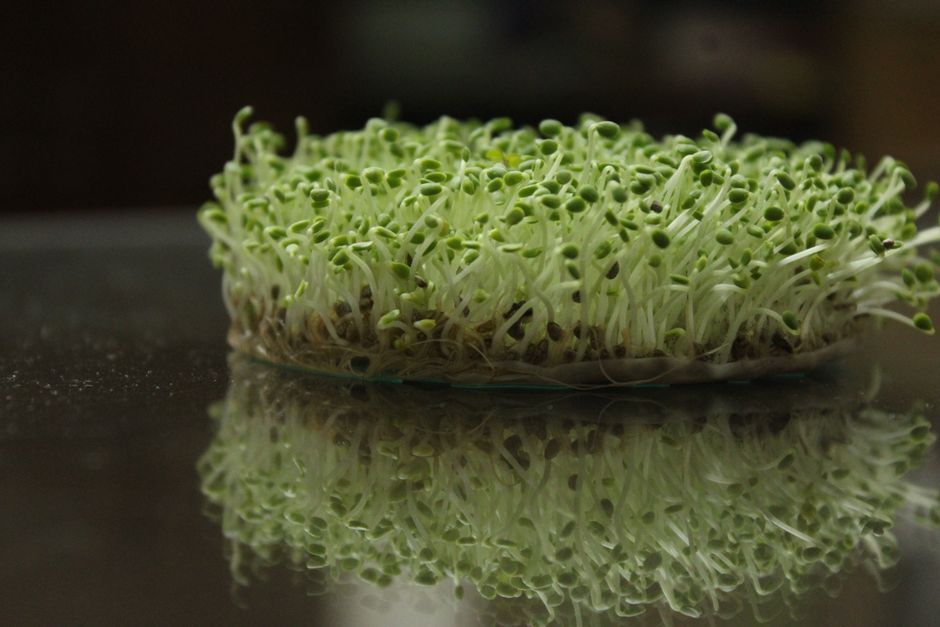
Sprouts are one of the cheapest, most nutrient-dense foods you can add to your plate, yet most people only see them as a sad sandwich garnish. The real issue is that many women don’t know how to eat sprouts for weight loss in a way that actually satisfies them, so they end up abandoning the idea after a week. Let’s fix that with practical, realistic strategies.
To eat sprouts for weight loss, you simply add them to meals you already eat—toss them into stir-fries, pile them onto salads, blend them into smoothies, or use them as a crunchy topping for soups and grain bowls. They are extremely low in calories, high in water and fiber, and provide a satisfying crunch that makes meals feel larger without adding significant energy. The key is to use them as a volume booster, not as a replacement for protein or healthy fats, which are essential for staying full.
Most generic advice tells you to eat sprouts raw on everything, which gets boring fast. This article covers the specific ways to incorporate them into cooked and raw dishes, how much to eat realistically, and what the evidence actually says about their role in weight management. You’ll also get answers to the most common questions women ask when they start adding sprouts to their diet.
Key Points at a Glance
| Point | What It Means | Why It Matters |
|---|---|---|
| Calorie density | Sprouts are roughly 30–40 calories per cup, depending on the type | You can eat a large volume for very few calories, which helps with fullness |
| Fiber content | Most sprouts provide 1–2 grams of fiber per cup | Fiber slows digestion and supports consistent energy levels |
| Best cooking method | Quick stir-frying or light steaming preserves texture and nutrients | Raw sprouts can be tedious; cooking makes them easier to eat daily |
| Practical serving | Aim for 1–2 cups per day spread across meals | This amount adds volume without affecting your calorie budget |
| Protein pairing | Pair sprouts with eggs, chicken, tofu, or beans | Protein keeps you full; sprouts alone won’t satisfy hunger long-term |
What Is the Best Way to Eat Sprouts for Weight Loss?
The best approach is to treat sprouts as a vegetable swap or addition, not a standalone meal. If you normally eat a salad with lettuce and a few toppings, add a half cup of bean sprouts or broccoli sprouts for extra crunch and bulk. If you make a stir-fry with rice and chicken, double the sprouts and reduce the rice by a quarter cup.
I always add mung bean sprouts to my fried rice at the very end of cooking. They keep their crunch for about two minutes in the pan, and they soak up the sauce without turning mushy. That single swap makes the dish feel twice as large without adding many calories.
Practical tip: Keep a bag of sprouts in the crisper drawer and add a handful to whatever you’re cooking—eggs, soups, pasta sauce, or even a sandwich. The goal is consistency, not perfection.
Which Types of Sprouts Are Best for Weight Loss?
All sprouts are low in calories, but some are more practical than others. Mung bean sprouts are the most common and hold up well to cooking, making them easy to eat daily. Broccoli sprouts are smaller and best eaten raw, while alfalfa sprouts are delicate and work well as a salad topping.
Some research suggests that broccoli sprouts contain compounds that may support metabolic health, though the evidence is still early and not specific to weight loss. What matters more is that you choose a sprout you actually enjoy eating, because consistency drives results. Lentil sprouts and pea shoots are also excellent options with a slightly heartier texture.
I keep a mix of mung bean sprouts for cooking and broccoli sprouts for raw toppings. That way I have options depending on what I’m making, and I never get bored.
How Much Should You Eat to See Results?
A realistic target is one to two cups of sprouts per day, spread across meals. This amount adds roughly 60–80 calories and a few grams of fiber, which is meaningful when you’re trying to reduce overall calorie intake. Some studies suggest that high-volume, low-calorie foods like sprouts can help with satiety, but no specific dose has been established for weight loss.
The evidence is clearer on the mechanism than the quantity. Foods that are high in water and fiber tend to increase fullness, which can help you eat less overall without feeling deprived. That said, sprouts alone won’t cause weight loss—they need to be part of an overall calorie deficit.
If you’re tracking calories, use your TDEE (total daily energy expenditure) as a starting point and adjust from there. You can calculate your maintenance calories with a TDEE calculator, then subtract 300–500 calories for a sustainable deficit.
Are Cooked Sprouts as Good as Raw Sprouts?
Yes, cooked sprouts are just as good for weight loss, and in some ways better. Cooking reduces the risk of foodborne illness, which is a real concern with raw sprouts because they’re grown in warm, humid conditions that can harbor bacteria. Light cooking also makes them easier to digest for some people, especially those with sensitive stomachs.
The calorie difference between raw and cooked sprouts is minimal, so choose based on your preference and tolerance. If you eat raw sprouts, wash them thoroughly and buy from a reputable source. If you cook them, aim for a quick stir-fry or steam so they retain their crunch and nutrients.
Practical tip: Add sprouts to soups or stews in the last five minutes of cooking. They’ll soften slightly but keep their texture, and they’ll absorb the broth’s flavor without needing any extra seasoning.
Can You Eat Sprouts Every Day?
Yes, eating sprouts daily is safe for most people and a reasonable way to increase vegetable intake. The main concern is variety—if you eat the same sprout every day, you might miss out on other nutrients from different vegetables. Rotate between mung bean, broccoli, lentil, and alfalfa sprouts to keep things interesting.
Some people experience mild bloating or gas when they first start eating sprouts regularly, especially if they aren’t used to high-fiber foods. Start with smaller portions and increase gradually over a week or two. If you have a medical condition that requires a restricted diet, such as kidney disease or a compromised immune system, talk to your doctor before adding large amounts of sprouts.
I rotate my sprouts based on what’s on sale at the market. This keeps my meals varied and my grocery bill low, which makes the habit easier to maintain long-term.
Frequently Asked Questions
Related Articles
Can you eat sprouts raw for weight loss?
Yes, raw sprouts are safe for most people and very low in calories. Wash them thoroughly before eating to reduce the risk of foodborne illness.
Which sprout has the fewest calories?
Alfalfa sprouts are among the lowest, at roughly 8 calories per half cup. Mung bean sprouts are slightly higher at about 15 calories per half cup.
Do sprouts burn belly fat?
No food specifically burns belly fat, including sprouts. They support weight loss by adding volume and fiber to your meals, which helps with overall calorie control.
How long do fresh sprouts last in the fridge?
Most fresh sprouts last about 3 to 5 days when stored in a sealed container in the refrigerator. Rinse them every day or two and pat them dry to extend their shelf life.
Can you freeze sprouts for later use?
Yes, you can freeze sprouts, but they will lose their crunch. They work best in cooked dishes like soups or stir-fries after freezing, not raw applications.
Are canned sprouts as healthy as fresh ones?
Canned sprouts are lower in some nutrients and often contain added sodium. Fresh or frozen sprouts are generally the better choice for weight loss.
Adding sprouts to your meals is one of the simplest changes you can make, and it doesn’t require complicated recipes or expensive ingredients. Start with one meal per day and build from there. If you’re unsure about your calorie needs, use a TDEE calculator to get a personalized starting point.

The TDEECAL Team writes about nutrition, metabolism, and fat loss the way we built our calculator, with real numbers and no hype. We dig into the research so you don’t have to guess.