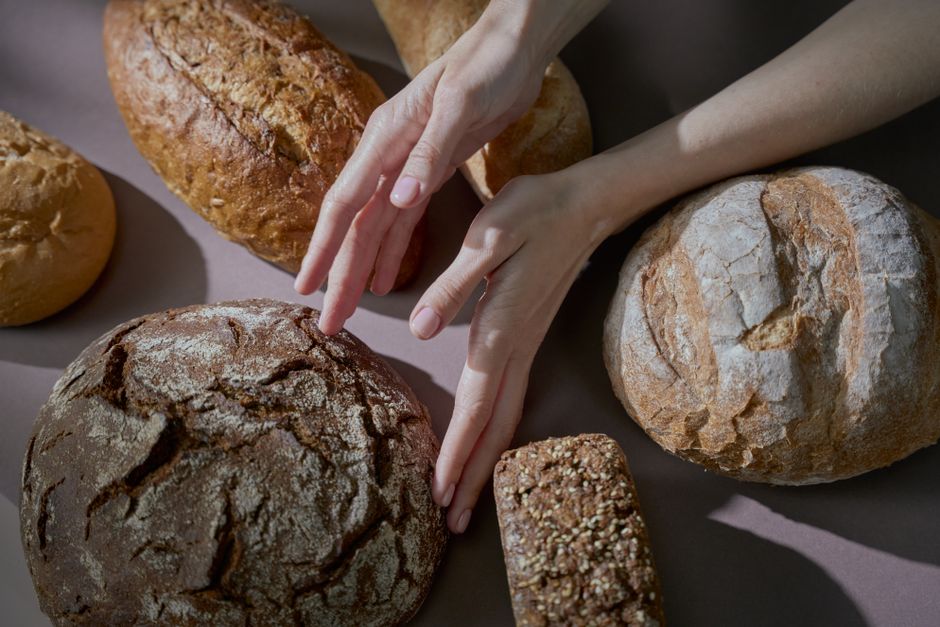
Most store-bought bread is built for shelf life, not for your waistline. A single slice often packs added sugar, refined flour, and preservatives that spike your blood sugar before you even finish chewing.
How to make healthy bread for weight loss comes down to swapping refined white flour for whole grains, adding protein and fiber, and skipping the added sugar. The best loaves use whole wheat or whole grain flours, seeds, and minimal yeast, which keeps calories moderate while helping you feel full longer. This article covers the exact ingredient swaps, a simple step-by-step method, and the honest science on whether homemade bread actually helps with weight loss.
Most recipe sites bury the real answer under fluff about “rustic artisanal loaves.” Here, you get the practical details that matter. You will learn which flours to buy, how to adjust your baking time, and why portion control matters more than the recipe itself.
Key Points at a Glance
| Point | What It Means | Why It Matters |
|---|---|---|
| Whole grain flour base | Use 100% whole wheat or spelt instead of white flour | More fiber slows digestion and keeps you satisfied |
| Added protein boosters | Mix in seeds, nuts, or Greek yogurt | Protein increases fullness without changing taste much |
| No added sugar | Skip honey, molasses, or table sugar | Fewer empty calories and steadier blood sugar |
| Portion control | One slice is roughly 120–150 calories | Homemade bread is still calorie-dense; servings matter |
What Makes Bread Healthy for Weight Loss?
Research consistently shows that fiber is the key player. A slice of 100% whole wheat bread contains roughly 2 to 3 grams of fiber, while white bread has less than 1 gram. Fiber slows stomach emptying, which delays hunger signals and helps you eat less at your next meal.
The second factor is glycemic load. Whole grains release glucose more slowly than refined flour, which prevents the sharp insulin spikes that trigger cravings a few hours later. Some studies suggest this steadier response helps with appetite control, though individual results vary.
I always add a tablespoon of ground flaxseed to my dough. It adds a subtle nutty flavor and about 2 extra grams of fiber per slice without changing the texture noticeably.
How to Make Healthy Bread for Weight Loss in 5 Steps
Start with a simple ratio: 2 cups whole wheat flour, 1 cup warm water, 1 teaspoon salt, and 1 packet of active dry yeast. Mix the yeast with warm water and let it sit for 5 minutes until foamy. Then combine everything in a large bowl and knead for 8 to 10 minutes.
Let the dough rise in a warm spot for about an hour, or until it doubles in size. Punch it down, shape it into a loaf, and place it in a greased bread pan. Bake at 375°F for 30 to 35 minutes. The bread is done when it sounds hollow when tapped on the bottom.
For a softer crust, brush the top with a little olive oil before baking. For a crunchier crust, place a shallow pan of water on the oven rack below the bread.
Which Flours and Add-Ins Actually Work?
Whole wheat flour is the most reliable choice because it is widely available and behaves similarly to white flour in recipes. Spelt and rye are good alternatives, though they produce denser loaves. White whole wheat flour is a middle ground — it has the same fiber as regular whole wheat but a milder taste that appeals to picky eaters.
Add-ins that boost nutrition without adding many calories include chia seeds, sunflower seeds, pumpkin seeds, and rolled oats. These add texture and extra fiber. Avoid dried fruits like raisins or cranberries, which concentrate sugar and add about 50 calories per quarter cup.
Greek yogurt is another useful addition. Replacing half the water with plain Greek yogurt adds protein and creates a softer crumb. Use about half a cup of yogurt and reduce the water by the same amount.
How Many Calories Are in Homemade Healthy Bread?
A standard slice of homemade whole wheat bread contains roughly 120 to 150 calories, depending on the exact ingredients and slice thickness. That is comparable to store-bought whole wheat bread, so homemade is not automatically lower in calories. The advantage is better ingredients and more fiber, not fewer calories.
Portion control remains essential. Two slices add 240 to 300 calories before you account for toppings. Nut butters, avocado, or cheese can double that number quickly. Using a kitchen scale to weigh your slices keeps portions consistent.
For weight loss, one slice per meal is a reasonable target for most women. If you are very active or taller, two slices may fit your calorie budget. Check your daily needs with our TDEE Calculator to see how bread fits into your overall intake.
Does Homemade Bread Actually Help With Weight Loss?
The evidence is mixed. Some studies suggest that higher whole grain intake is associated with lower body weight over time, but the effect is modest. A 2021 review in the journal Nutrients found that whole grain consumption was linked to reduced body fat, though the differences were small.
No study has confirmed that homemade bread alone causes weight loss. The benefit comes from replacing refined grains with whole grains and controlling portions. If you eat the same number of calories, swapping white bread for whole wheat bread may not change the scale much.
The honest answer is that homemade whole wheat bread can support weight loss as part of a calorie-controlled diet, but it is not a magic food. The fiber and protein help with satiety, which can make it easier to stick to your calorie target. That indirect effect is where the real value lies.
Keep your loaf in a paper bag at room temperature for up to 3 days. For longer storage, slice and freeze it. Frozen slices toast perfectly and prevent you from eating the whole loaf while it is fresh.
Related Articles
Frequently Asked Questions
Is homemade bread healthier than store-bought bread?
Homemade bread can be healthier because you control the ingredients and skip preservatives. It is not automatically lower in calories, but it typically has more fiber and less added sugar.
What is the best flour for weight loss bread?
100% whole wheat flour is the best choice because it is high in fiber and easy to work with. Spelt and rye are good alternatives if you want variety.
Can I eat bread every day and still lose weight?
Yes, you can eat bread daily and lose weight if it fits your calorie budget. One slice of whole wheat bread is roughly 120 to 150 calories, so track your portions carefully.
Does sourdough bread help with weight loss?
Sourdough has a lower glycemic index than regular white bread, which means it may cause a smaller blood sugar spike. However, it is not lower in calories, so portion control still matters.
How many slices of bread should I eat per day for weight loss?
One to two slices per day is a reasonable target for most women on a weight loss diet. Your exact amount depends on your daily calorie needs and activity level.
Can I use almond flour to make healthy bread?
Almond flour bread is lower in carbs and higher in protein, but it is also much higher in calories. A slice can contain 200 calories or more, so it is not automatically better for weight loss.
Making your own bread puts you back in control of what goes into your body. Start with a basic whole wheat loaf, experiment with seeds and yogurt, and remember that the recipe matters less than your overall calorie balance. Use our TDEE Calculator to find your daily calorie target and see where bread fits into your plan.

The TDEECAL Team writes about nutrition, metabolism, and fat loss the way we built our calculator, with real numbers and no hype. We dig into the research so you don’t have to guess.