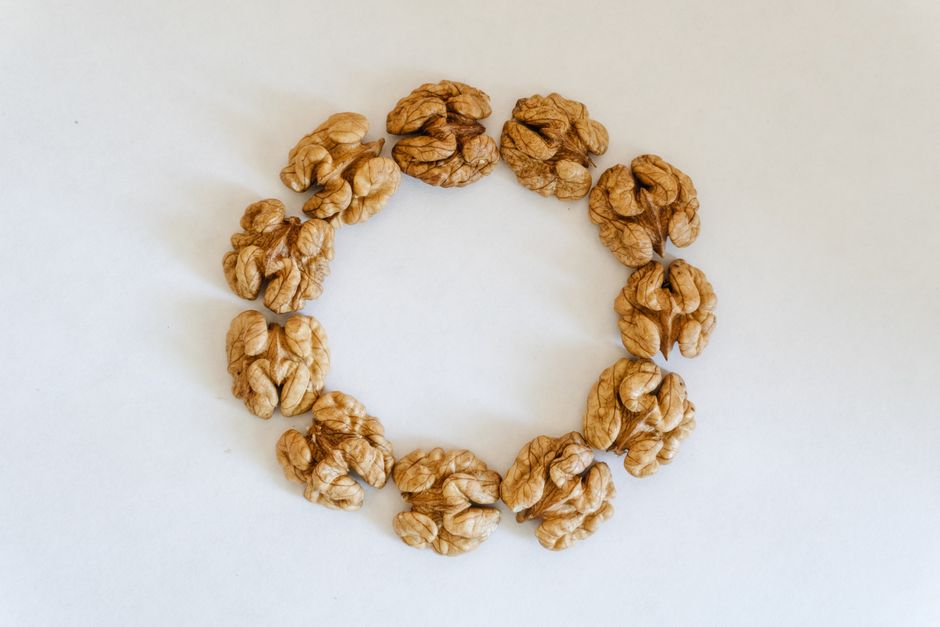
How to Use Walnuts for Weight Loss
You have probably heard that nuts are healthy, but walnuts often get overlooked in the weight loss conversation. Most advice tells you to avoid calorie-dense foods, yet walnuts pack a serious nutritional punch that can actually support your goals when used correctly. The key is knowing the strategy behind portion control and timing.
To understand how to use walnuts for weight loss, you need to focus on three things: portion size, pairing them with the right foods, and eating them at the right time of day. A standard serving is one ounce, which is about 14 walnut halves or a small handful. This gives you roughly 185 calories, 4 grams of protein, and 2 grams of fiber, along with healthy omega-3 fats that help keep you full longer.
The problem most women face is eating walnuts mindlessly straight from the bag. That approach adds calories fast without any real strategy. This article covers the specific ways to incorporate walnuts into your daily routine so they work for you, not against you. We will look at the science behind their satiety effects, the best ways to prep them, and common mistakes to avoid.
Key Points at a Glance
| Point | What It Means | Why It Matters |
|---|---|---|
| Portion size | One ounce (14 halves) is the standard serving | Prevents accidental overeating of calories |
| Timing | Eat them as a mid-morning or afternoon snack | Curbs hunger before larger meals |
| Pairing | Combine with protein or fiber-rich foods | Extends fullness and stabilizes blood sugar |
| Preparation | Pre-portion into small bags or containers | Makes portion control automatic |
| Omega-3 content | Walnuts are one of the best plant sources | Supports metabolism and reduces inflammation |
Why Walnuts Help with Satiety and Cravings
Walnuts contain a unique combination of protein, fiber, and healthy fats that slow digestion and keep blood sugar steady. When blood sugar stays stable, cravings for sugary snacks drop significantly. This is a big reason why women who include walnuts in their diet often report feeling less hungry between meals.
One study found that participants who ate walnuts daily reported lower hunger ratings and better appetite control compared to those who ate a placebo. The effect seems strongest when walnuts replace other less healthy snacks, not when they are added on top of your usual diet. I always keep a small bag of pre-portioned walnuts in my desk drawer for that 3 p.m. slump — it makes a real difference in avoiding the vending machine.
How Many Calories Are in Walnuts and Does It Matter?
A one-ounce serving of walnuts contains about 185 calories. That number scares some people away, but the calories are not empty. You get omega-3 fats, vitamin E, magnesium, and antioxidants along with them.
The bigger question is whether those calories actually get fully absorbed. Some research suggests that the structure of walnuts means your body does not absorb all the calories listed on the label. The exact amount varies by person, but it is worth knowing that the net calorie impact may be slightly lower than the number suggests. Still, portion control remains essential.
How to Use Walnuts for Weight Loss in Your Daily Routine
The most effective way to use walnuts is to replace a less healthy snack rather than add them to your existing diet. Swap out a granola bar or a bag of chips for one ounce of walnuts. This simple swap can save you anywhere from 50 to 150 calories while giving you better nutrition.
Another smart approach is to add walnuts to meals that already contain protein and fiber. Sprinkle them over oatmeal, yogurt, or a salad. The combination of textures and nutrients makes the meal more satisfying, which often leads to eating less overall. I add crushed walnuts to my morning oatmeal with a handful of blueberries — it keeps me full until lunch without any mid-morning hunger.
Common Mistakes to Avoid When Eating Walnuts for Weight Loss
The biggest mistake is eating walnuts straight from a large bag without measuring. It is incredibly easy to eat two or three servings without realizing it. That adds up to over 500 calories in a few minutes.
Another mistake is choosing flavored or roasted walnuts that have added oils, sugar, or salt. These extras add unnecessary calories and can undo the health benefits. Stick to raw or dry-roasted walnuts with no added ingredients. Also, avoid eating walnuts as a standalone snack late at night when you are bored — that is when portion control goes out the window.
Finally, do not rely on walnuts alone for weight loss. They are a tool, not a solution. Combine them with a balanced diet and regular physical activity for the best results. If you want to track your overall calorie needs, use the TDEE Calculator to find your personalized numbers.
Simple Ways to Add Walnuts to Your Meals
Crush a few walnuts and sprinkle them over a salad with vinaigrette dressing. The crunch adds texture and the healthy fats help your body absorb fat-soluble vitamins from the vegetables. You can also blend walnuts into a smoothie for extra creaminess and protein.
Another idea is to use ground walnuts as a coating for chicken or fish instead of breadcrumbs. This adds healthy fats and keeps the dish low in carbs. For a quick breakfast, stir chopped walnuts into plain Greek yogurt with cinnamon. It tastes like dessert but keeps your blood sugar stable.
Frequently Asked Questions
Related Articles
How many walnuts should I eat per day for weight loss?
Stick to one ounce, which is about 14 walnut halves. Eating more than that adds too many calories without additional benefits.
Is it better to eat walnuts in the morning or at night?
Morning or mid-afternoon is best because the fiber and fat keep you full through your busiest hours. Eating them late at night can add unnecessary calories when you are less active.
Can walnuts replace a meal for weight loss?
No, walnuts are a snack, not a meal replacement. They lack enough protein and carbohydrates to serve as a complete meal.
Do walnuts help reduce belly fat specifically?
Some studies suggest walnuts may help reduce overall body fat, but no food targets belly fat specifically. A balanced diet and calorie deficit are what matter most.
Are raw walnuts better than roasted ones for weight loss?
Raw walnuts are slightly better because they have no added oils or salt. Dry-roasted walnuts without added ingredients are also a fine choice.
Can I eat walnuts if I have a nut allergy?
No, if you have a walnut allergy, avoid them completely. Talk to your doctor about safe alternatives like seeds or other nuts.

The TDEECAL Team writes about nutrition, metabolism, and fat loss the way we built our calculator, with real numbers and no hype. We dig into the research so you don’t have to guess.