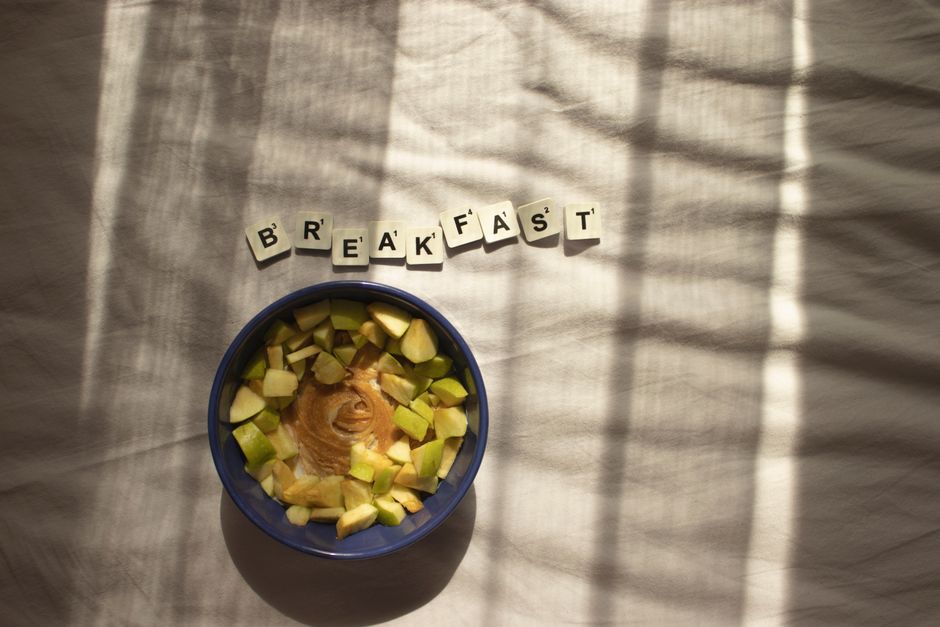
Is 300 Calories for Breakfast Good for Weight Loss?
Yes, 300 calories for breakfast can support weight loss for many women, but it depends on what those calories contain and your total daily needs. A 300-calorie breakfast is generally a moderate portion that fits well within a standard weight loss diet. The real question is whether that meal includes enough protein and fiber to keep you full until lunch.
Most women aiming to lose weight target between 1,400 and 1,800 calories per day. A 300-calorie breakfast represents roughly 17 to 21 percent of that daily intake, which is a reasonable starting point. The key is not just the number, but the quality of the food you choose.
This article explains what a 300-calorie breakfast should look like, how it affects hunger and energy, and how to build one that actually supports your goals. You will also learn why some 300-calorie breakfasts work better than others and what the research says about meal timing.
Key Points at a Glance
| Point | What It Means | Why It Matters |
|---|---|---|
| Calorie Target | 300 calories fits most weight loss plans | Leaves room for lunch, dinner, and snacks |
| Protein Priority | Aim for 20–30 grams at breakfast | Protein reduces hunger hormones and keeps you full |
| Fiber Matters | Choose 8+ grams of fiber | Slows digestion and stabilizes blood sugar |
| Food Quality | Whole foods beat processed options | Same calories, different fullness and nutrition |
| Individual Needs | Adjust based on hunger and activity | Some women need more or less than 300 |
What Should a 300-Calorie Breakfast Include?
A well-built 300-calorie breakfast should center on protein and fiber. Research consistently shows that higher-protein breakfasts reduce hunger later in the day compared to carbohydrate-heavy meals. Studies have found that people who eat 25 to 30 grams of protein at breakfast consume fewer calories at lunch.
Your 300 calories should come mostly from whole foods. Eggs, Greek yogurt, cottage cheese, and lean meats are excellent protein sources. Pair them with fruit, vegetables, or whole grains for fiber. This combination keeps blood sugar steady and prevents the mid-morning crash that leads to snacking.
A 300-calorie breakfast that works might look like two eggs scrambled with vegetables and one slice of whole-grain toast. That combo delivers roughly 20 grams of protein and 6 grams of fiber. Another option is one cup of Greek yogurt with berries and a sprinkle of nuts, which lands around 280 calories with 20 grams of protein.
Is 300 Calories for Breakfast Too Little for Weight Loss?
For most women, 300 calories for breakfast is not too little. The bigger concern is whether the rest of your day balances out. If you eat 300 calories at breakfast but then consume 1,500 calories by dinner, you are still within a healthy range.
Some women find that 300 calories leaves them hungry by mid-morning. This usually happens when the breakfast lacks protein or fiber. A 300-calorie breakfast made of cereal and juice will digest quickly and leave you hungry. The same calorie count in eggs and vegetables will keep you satisfied for hours.
Your activity level matters too. If you exercise intensely in the morning, you may need more than 300 calories at breakfast. Listen to your body. If you are starving by 10 a.m., add 50 to 100 calories in the form of protein rather than cutting back elsewhere.
What Does the Research Say About Breakfast and Weight Loss?
The evidence on breakfast and weight loss is more complex than most headlines suggest. Some studies indicate that eating breakfast helps with appetite control, while others show no difference in total daily calories. The quality of the breakfast appears to matter more than whether you eat it.
Research published in the American Journal of Clinical Nutrition found that a high-protein breakfast reduced cravings and late-night snacking in overweight young women. Participants who ate eggs for breakfast consumed fewer calories over the next 36 hours compared to those who ate a bagel with the same calorie count.
The evidence is mixed on whether skipping breakfast helps or hurts weight loss. Some studies suggest that intermittent fasting, which often includes skipping breakfast, works for certain people. The common thread is that total daily calories and protein intake drive results more than the specific timing of your first meal.
How to Build a 300-Calorie Breakfast That Keeps You Full
Start with a protein source. Eggs, Greek yogurt, cottage cheese, or tofu all work well. Aim for 20 to 30 grams of protein within your 300-calorie budget. This single change makes the biggest difference in hunger control.
Add fiber from vegetables, fruit, or whole grains. Fiber slows digestion and feeds beneficial gut bacteria. It also adds volume, so your breakfast looks and feels more substantial without extra calories.
Avoid liquid calories at breakfast. Juice, sweetened coffee drinks, and smoothies can easily add 200 calories without providing fullness. Stick to water, black coffee, or unsweetened tea alongside your meal.
When 300 Calories for Breakfast Might Not Work
If your total daily calorie target is very low, 300 calories might take up too much of your budget. Women following a 1,200-calorie plan may want a lighter breakfast around 250 calories to leave room for other meals. Clinical minimums require medical supervision below this level.
Athletes and highly active women often need more than 300 calories at breakfast. If you train in the morning, your body needs fuel for performance and recovery. In this case, a 400 to 500-calorie breakfast with extra carbohydrates may serve you better.
Pregnancy and breastfeeding change calorie needs significantly. If you are pregnant or nursing, do not restrict calories without guidance from your healthcare provider. Your energy requirements are higher, and cutting calories can affect you and your baby.
Frequently Asked Questions
Related Articles
Is 300 calories for breakfast enough to lose weight?
Yes, 300 calories for breakfast works well within most weight loss plans. The key is choosing protein and fiber-rich foods that keep you full until your next meal.
How much protein should I eat at breakfast?
Research suggests 20 to 30 grams of protein at breakfast supports appetite control. That equals about three eggs or one cup of Greek yogurt.
What are good 300-calorie breakfast ideas?
Try two eggs with vegetables and whole-grain toast, or Greek yogurt with berries and nuts. Both options deliver solid protein and fiber within the 300-calorie range.
Will a 300-calorie breakfast slow my metabolism?
No, a 300-calorie breakfast will not slow your metabolism. Your total daily calorie intake matters far more than the size of any single meal.
Should I skip breakfast to lose weight faster?
The evidence is mixed on skipping breakfast for weight loss. Some people thrive on intermittent fasting, while others overeat later in the day without breakfast.
Can I eat more than 300 calories at breakfast?
Yes, if your total daily calories allow it and you are active. Adjust your breakfast size based on hunger, activity level, and how the rest of your day looks.
Calculate your personal calorie needs with our TDEE calculator to see exactly how a 300-calorie breakfast fits into your daily target. This tool uses your age, weight, height, and activity level to estimate your maintenance calories. From there, you can adjust your breakfast portion to match your weight loss goals.

The TDEECAL Team writes about nutrition, metabolism, and fat loss the way we built our calculator, with real numbers and no hype. We dig into the research so you don’t have to guess.